
ABRUZZO
Abruzzo's elderly face mounting heat peril as heatwave extends into July
Record temperatures strain the region's ageing population and healthcare systems as relief forecast for Wednesday proves temporary.
Marco Di Sante537 wordsEdition №32Wednesday, 1 July 2026 — Edition № 32
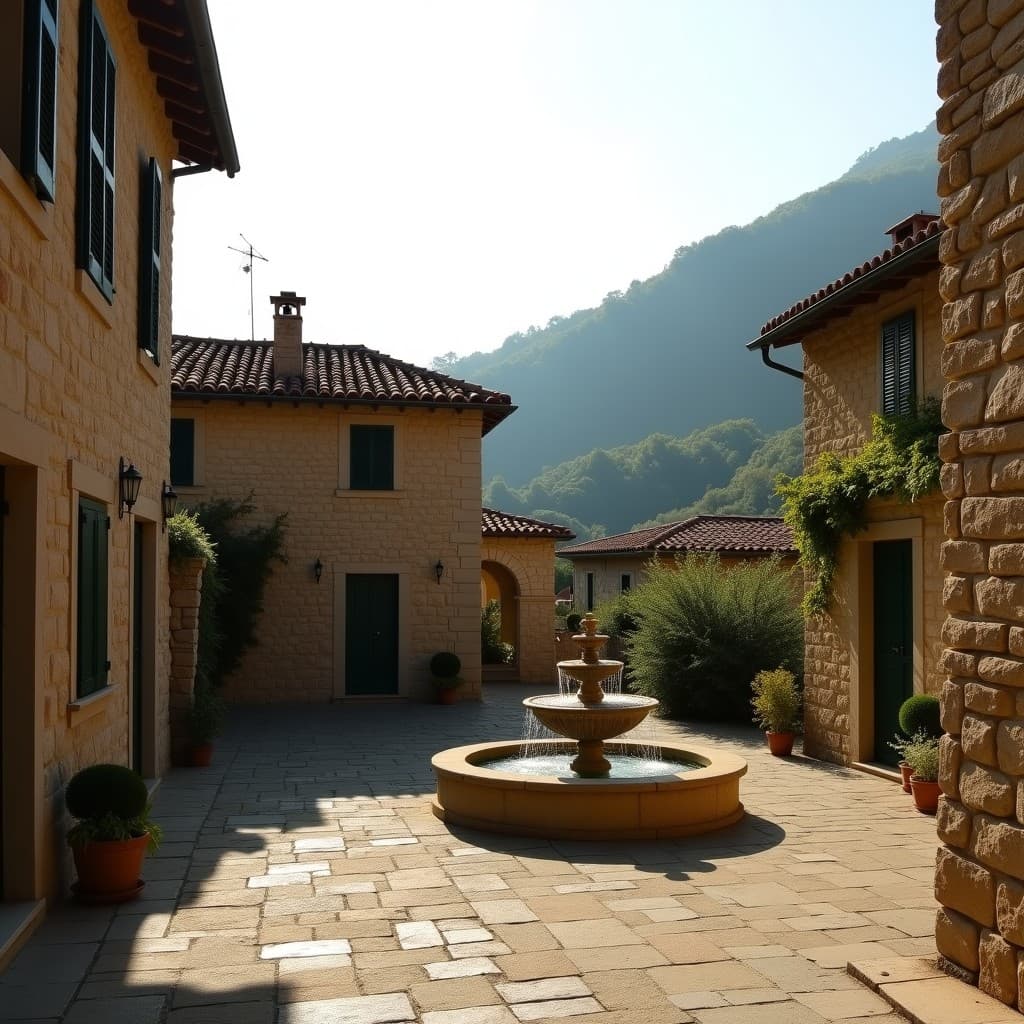
Most of Italy, including Abruzzo, remained under red alert for extreme heat on Tuesday as temperatures continued to soar across the region, according to The Local Italy reporting on the ongoing heatwave. The World Health Organisation reported on Sunday that over 1,300 excess deaths had been recorded in Europe since June 21 in connection with the record-breaking temperatures roasting much of the continent. While forecasters predicted relief would arrive on Wednesday, The Local Italy cautioned that the cooler weather would likely be temporary, with July bringing uncertain conditions.
For Abruzzo, a region with one of Italy's oldest demographic profiles, the heatwave poses acute risks. The wire does not provide region-specific mortality or hospital admission figures for Abruzzo, but The Local Italy reported that extreme heat has been linked to a spike in hospital visits across Italy more broadly. The Guardian's coverage of Germany and Italy sweltering in the heatwave noted that records were tumbling across Europe, with weather systems spreading eastward—a pattern that suggests sustained pressure on healthcare infrastructure in regions already stretched by ageing populations.
The region's mountain interior, where elevation typically provides some relief from summer heat, has not been isolated from the broader continental trend. The Local Italy's reporting on red alert zones across Italy indicates that Abruzzo's plateau and highland areas remain under heightened risk, though the wire offers no specific temperature readings or mortality data for the region. The temporary forecast relief on Wednesday offers only a reprieve; the question of how Abruzzo's elderly population will endure the remainder of July remains open.
Abruzzo's vulnerability to heat stress is compounded by structural factors the foreign wire has not yet detailed but which shape the region's exposure. The region has Italy's oldest population outside the far south, with significant concentrations of isolated elderly residents in mountain villages where social services are limited and access to cooling facilities uncertain. The 2009 earthquake, which killed over 300 people in L'Aquila, left deep scars in trust of state institutions; whether local authorities have mounted effective public health campaigns to protect vulnerable residents during this heatwave is not addressed in the available wire coverage.
The Local Italy's reporting on what to expect in July provides no specific forecast for Abruzzo but notes that the broader Italian situation remains precarious. The WHO's statement on excess deaths—1,300 across Europe in nine days—underscores the severity of the heatwave's public health toll. For a region where the median age exceeds 46 years and rural isolation is common, such mortality spikes are not abstract statistics but immediate threats.
The wire does not indicate whether Abruzzo's regional government or healthcare system has issued specific guidance for protecting elderly residents, whether cooling centres have been established in mountain villages, or whether the region's pharmaceutical and medical supply chains have been affected by heat stress on infrastructure. These gaps in coverage reflect the broader challenge facing mountain regions in southern Europe: they are often invisible to international media until crisis becomes catastrophe. For now, Abruzzo awaits Wednesday's forecast relief and the unknown conditions of July beyond.