
ABRUZZO
Abruzzo's mountain parks brace for record heat as Europe swelters
Red alerts issued across Italy as temperatures near 40°C threaten hikers and wildlife in Apennine highlands
Marco Di Sante468 wordsEdition №24Tuesday, 23 June 2026 — Edition № 24
The BBC reported on Monday that red heat alerts have been issued across France, Italy and Spain as temperatures approach 40°C, with forecasts suggesting conditions will intensify through the week. Italy's centre-north is expected to be particularly hard hit, according to reports from the region. The heatwave arrives as European authorities scramble to manage the crisis: France has cancelled outdoor sports events, restricted alcohol consumption at festivals, and placed more than a third of the country under red alert, the Guardian reported.
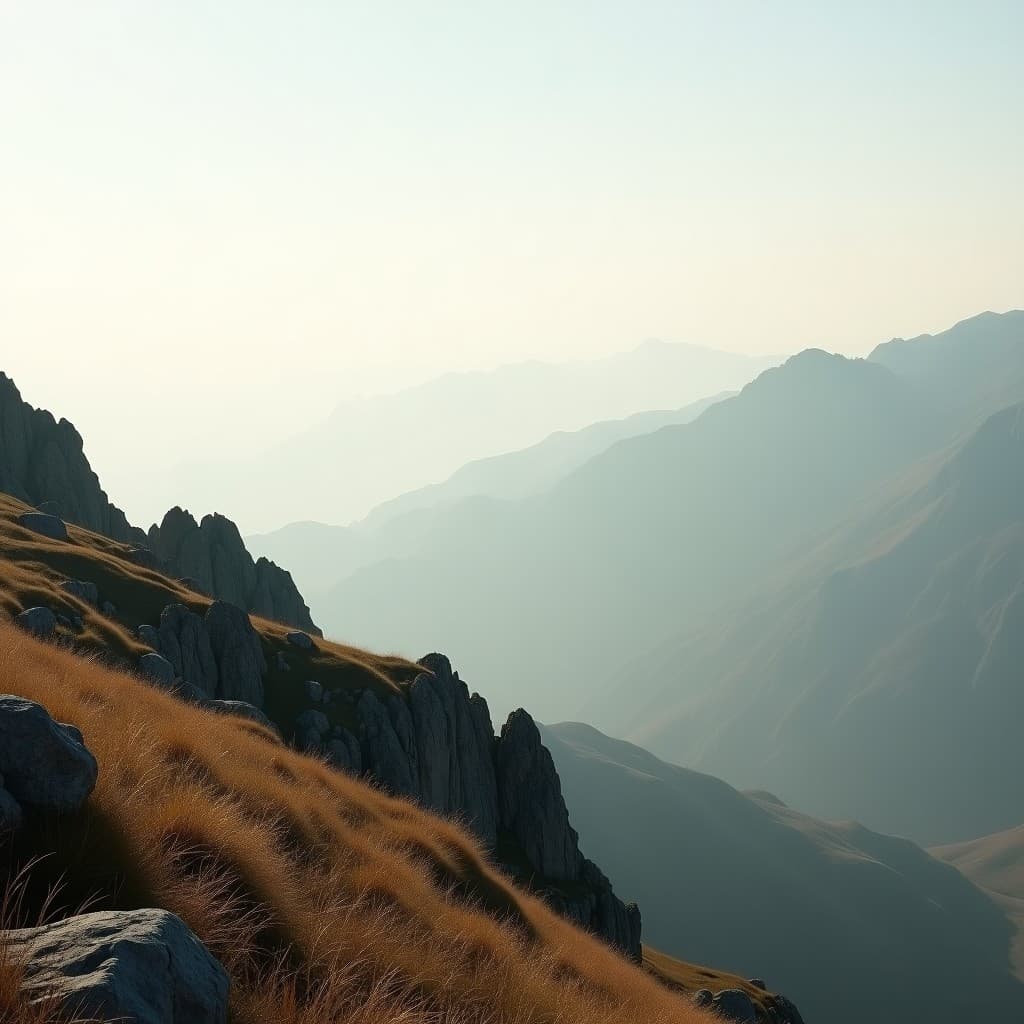
For Abruzzo's mountain interior, the convergence of extreme heat and high-altitude terrain presents particular risks. The Apennine highlands, which rise above 2,400 metres in places, draw hikers and nature tourists during summer months when the cooler elevation offers refuge from coastal heat. Yet this year's conditions mirror warnings already issued elsewhere in Europe. The US National Park Service recently reminded park-goers in the Grand Canyon that summer heat poses acute dangers, particularly to those unprepared for sustained exposure. Abruzzo's parks—the Gran Sasso e Monti della Laga, the Maiella, and the Abruzzo, Lazio and Molise national park—have not reported emergency protocols yet, but the regional administration is monitoring conditions closely as the heatwave peaks.
The scale of this week's heatwave across central and western Europe is unprecedented in its timing and intensity. Reuters reported on 20 June that the punishing conditions prompted emergency meetings in France, with nationwide warnings issued across multiple countries. The Guardian documented the human toll: two children aged four and two were found dead in their family car in south-eastern France on Monday, a tragedy that underscores the lethality of sustained high temperatures, particularly for the young and elderly.
Abruzzo's position in the central Apennines means the region experiences a continental climate at altitude—winters are harsh, summers cool relative to the coast. But this advantage is eroding. The heatwave expected to reach 40°C in lower elevations will still bring dangerous temperatures to the highlands, where hikers often underestimate exposure risk. The region's dispersed population in mountain villages, many of them elderly due to decades of youth emigration, adds vulnerability. Unlike coastal Campania or tourist-heavy Tuscany, which have established heat-response infrastructure, Abruzzo's interior relies on smaller municipal services and volunteer rescue networks already stretched by the region's post-earthquake reconstruction demands.
The timing is also significant for Abruzzo's conservation economy. The region's national parks are focal points for European wildlife research and tourism—the Apennine wolf and Marsican brown bear, both subjects of international scientific attention, face heat stress during breeding season. The BBC's coverage of the broader heatwave noted that sustained temperatures above 40°C affect wildlife behaviour and habitat suitability, a concern that extends to Abruzzo's protected species. No immediate reports have emerged of wildlife casualties or park closures, but the week ahead will test both human and natural systems in the highlands.