
SARDEGNA
Air tourism boom fuels housing crisis on Mediterranean islands
Study warns Southern Europe faces rent hikes of €250 yearly as visitor numbers surge
Gavino Sanna437 wordsEdition №31Tuesday, 30 June 2026 — Edition № 31
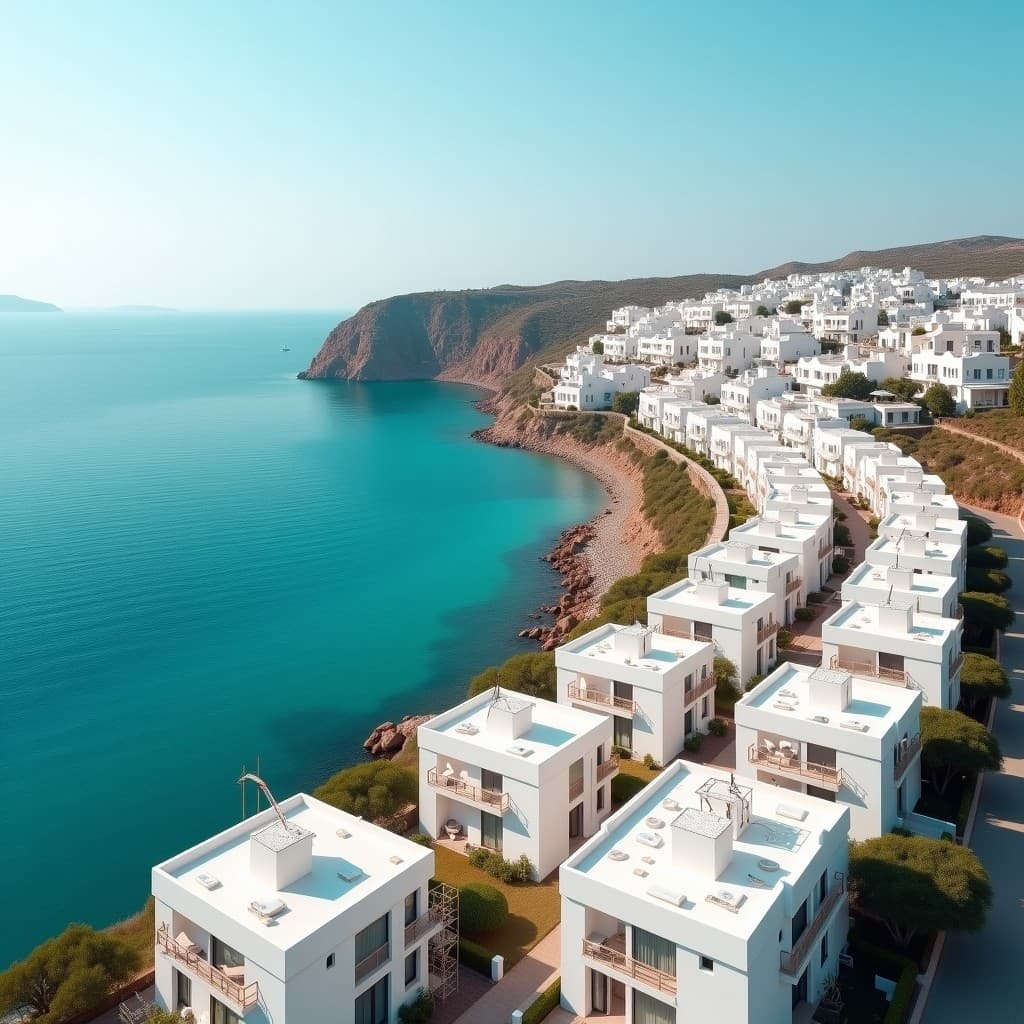
The surge in low-cost air travel to Mediterranean destinations is reshaping the housing market across Southern Europe, according to a study commissioned by Transport & Environment and published by the New Economics Foundation this week. The analysis found that popular tourist destinations including Spain, Portugal, Italy and Greece face average annual rent hikes of up to €250 driven by tourism-related demand, with some of the most visited regions experiencing far steeper increases.
Sardinia, among Europe's most sought-after summer destinations, sits at the centre of this pressure. The island's Costa Smeralda and other coastal zones have long attracted international visitors, but the democratisation of air travel has transformed seasonal tourism into a year-round housing competition. Foreign buyers and holiday-rental operators now bid against local residents for scarce accommodation, particularly in towns within reach of Cagliari airport and the northern coast.
The study notes that residents in high-season summer months have protested the strain on affordable housing across the region. What distinguishes the current crisis from earlier tourism cycles is velocity: the combination of cheap flights, online booking platforms and the post-pandemic shift toward remote work has compressed decades of gradual migration into a few years. Local wages in Sardinia have not risen proportionally, leaving young islanders priced out of their own communities.
The phenomenon extends beyond coastal resorts. As coastal rents climb, pressure spreads inland toward towns that once served only agricultural and pastoral economies. Sardinia's interior—already fragile from depopulation and economic decline—now faces a new threat: the paradox of tourism-driven gentrification in regions that have historically struggled to retain young people. Those who might have stayed to shepherd or farm now find housing costs aligned with European urban standards, not island incomes.
Transport & Environment's analysis underscores that the problem is structural, not cyclical. Airlines have tripled capacity to Mediterranean destinations since 2015, and each new route or expanded service adds pressure to local housing markets. The study suggests that without intervention—whether through planning restrictions, tourist taxes, or affordable housing requirements—the trend will accelerate. Several Spanish and Portuguese municipalities have already begun imposing limits on holiday rentals and tourist licenses.
For Sardinia, the crisis arrives at a moment of demographic fragility. The island has shed population for decades as young people migrate to the mainland or abroad. Tourism offered a counterweight, creating service jobs and stabilising some coastal economies. But if those same jobs no longer support local housing costs, the calculus shifts again. The interior, already emptying, may find even fewer reasons to hold its young. The irony is sharp: the very infrastructure that promised to anchor island economies—the airports, the hotels, the routes to European cities—now prices out the residents those jobs were meant to serve.