
SARDEGNA
Sardinia caught in Europe's short-term rental squeeze
Island tourism boom strains housing as cities impose new rules; summer bookings test local capacity
Gavino Sanna589 wordsEdition №33Thursday, 2 July 2026 — Edition № 33
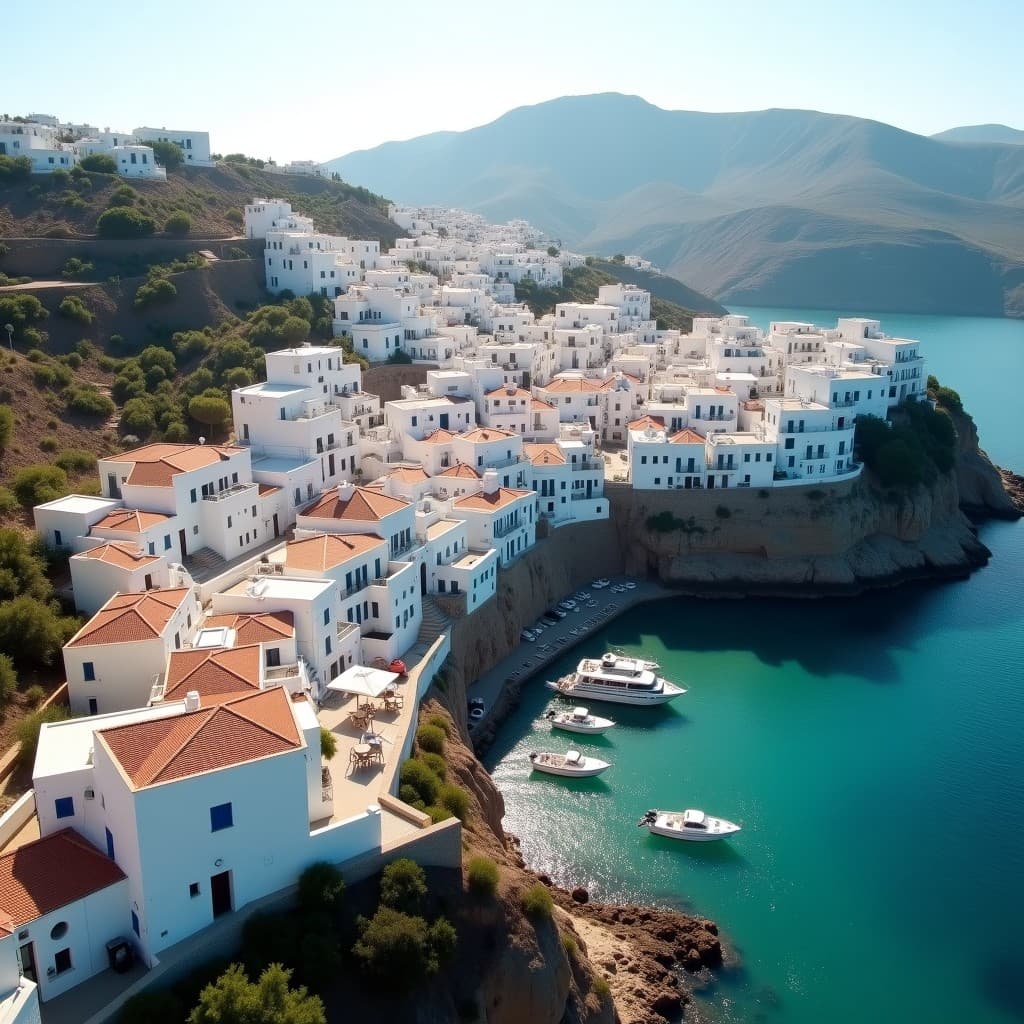
Sardinia is caught in a widening European crisis: the boom in short-term holiday rentals is pricing out residents and straining local housing markets. The Local Italy reported this week that several Italian cities are imposing new restrictions on Airbnb and similar platforms, creating a complex rulebook that affects both property owners and visitors planning summer stays. Sardinia's coastal tourism—particularly around the Costa Smeralda and other high-demand destinations—has long relied on seasonal rentals, but the scale of recent growth has begun to trigger the same backlash seen in Spain, Portugal, and Greece.
The island's housing crisis carries a particular sting. Unlike mainland urban centres, Sardinia's interior has faced decades of depopulation as young people migrate to the north or abroad. Those who remain in small towns and villages now compete for housing with wealthy mainlanders and foreign investors seeking summer properties or rental assets. The rental restrictions, while intended to protect affordability, create winners and losers: locals may regain access to housing stock, but property owners who depend on short-term income face reduced revenue and uncertainty about future bookings.
The timing of the crackdown coincides with record air travel to southern Europe. CleanTechnica reported in late June that booming air tourism could fuel European rent hikes of up to €250 annually, with southern destinations including Italy hit hardest. The study, commissioned by Transport & Environment and conducted by the New Economics Foundation, found that Spain, Portugal, Italy and Greece face the most acute housing strain from tourism-driven demand. For Sardinia, which attracts visitors year-round but sees its peak in summer, the pressure is acute: the island's population of 1.58 million swells dramatically during the season, straining utilities, transport, and rental inventory.
The Local Italy's guidance on what renters need to know reflects the emerging patchwork: different Italian regions and municipalities now impose varying caps on rental days, licensing requirements, and tax obligations. Some cities demand registration and permits; others limit the number of properties a single owner can rent short-term. Sardinia's regional government has not yet announced island-wide rules, leaving local administrations to set their own standards. This fragmentation creates uncertainty for both tourists and landlords, but also signals a shift: the assumption that unlimited short-term rentals are compatible with liveable communities is now openly contested.
For Sardinia's tourism-dependent economy, the rules pose a genuine dilemma. Summer visitors generate essential revenue for coastal towns and hospitality workers; yet the influx also accelerates the island's broader demographic challenge. As housing becomes scarcer and more expensive, younger Sardinians have even fewer reasons to stay. The rental restrictions may protect the few who remain, but without strategies to rebuild the interior economy and create year-round work, the island risks becoming a seasonal playground for outsiders while its permanent communities continue to shrink. The summer rental boom, in other words, masks a deeper crisis: Sardinia's struggle to retain its own people.