
FRIULI-VENEZIA GIULIA
Italian MEP questions access denial at Albania migrant detention centre
Delegation blocked from inspecting cells at offshore facility where six have attempted suicide; government transparency questioned.
Sergio Madrussan318 wordsEdition №32Wednesday, 1 July 2026 — Edition № 32
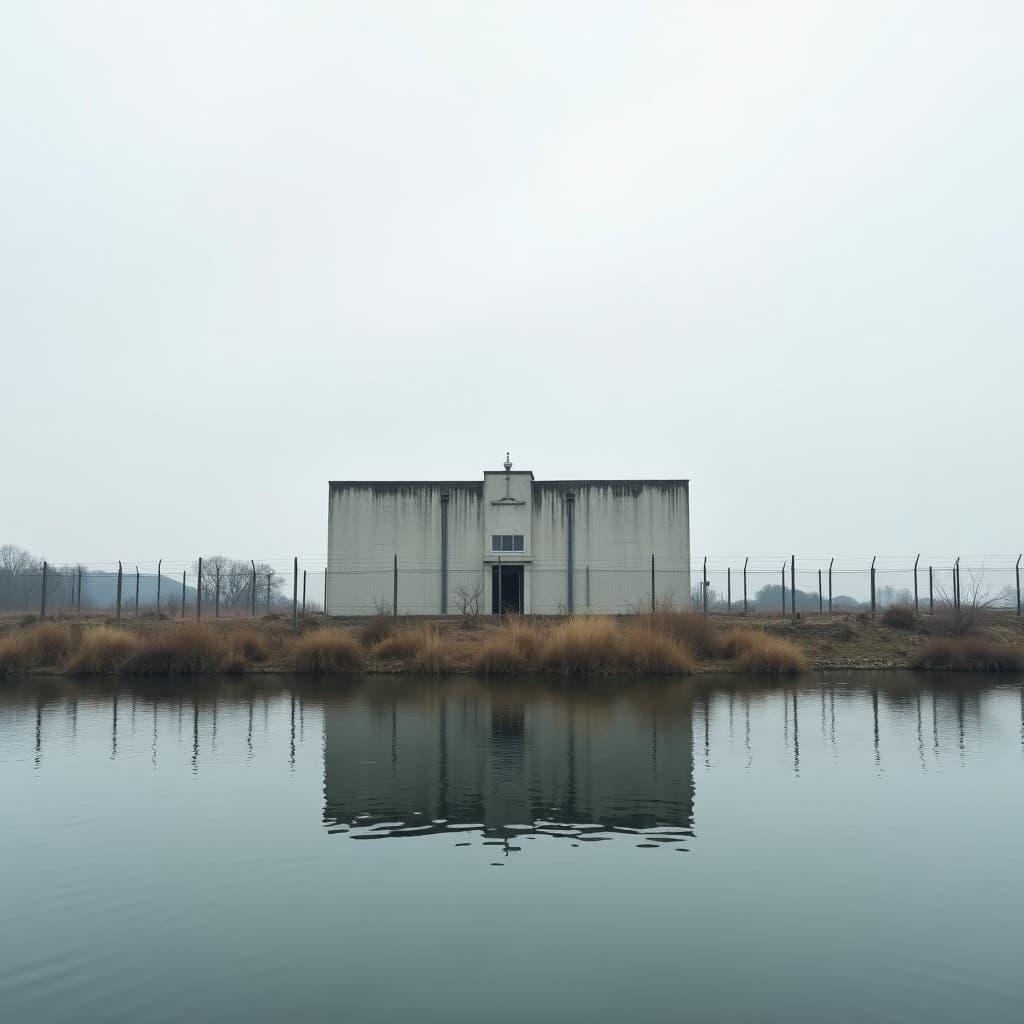
An Italian MEP, Cristina Guarda, has raised concerns about transparency at an offshore migrant detention facility in Albania, according to The Guardian. The delegation was denied access to cells in the detention centre, which has been the site of six suicide attempts. Guarda's questions about whether the government is attempting to "hide the truth" about conditions at the facility highlight ongoing tensions over Italy's migration policies and the treatment of migrants held in the Albanian centre.
The incident reflects broader scrutiny of Italy's use of offshore detention as a migration management strategy. The facility in Albania represents an extension of Italian border control beyond the nation's territorial waters, a practice that sits uneasily within EU frameworks on detention standards and human rights. The denial of access to MEPs—elected representatives entitled to conduct oversight—raises questions about accountability mechanisms and whether conditions at the centre meet EU detention standards.
Friuli-Venezia Giulia's position on Italy's eastern frontier gives the region particular stakes in migration policy and border management. The region serves as a primary entry point for migrants arriving via the Balkans and Central European routes, and its ports—particularly Trieste—are central to Italian and EU migration logistics. The denial of access to the Albanian detention facility is significant for northeastern Italy because it signals potential opacity in the management of migration flows that directly affect the region's border infrastructure and social services.
The incident also carries implications for Italy's standing in Central European and Balkan geopolitics. Neighbouring Slovenia and the broader Balkans watch Italian migration policy closely, as Italy's approach to offshore detention and border management influences regional migration patterns and cross-border cooperation frameworks. Foreign press coverage of conditions at the Albanian centre and the transparency concerns raised by Guarda adds to international scrutiny of Italy's migration strategy at a moment when the EU is reassessing its approach to Mediterranean migration and border security.