
VALLE D'AOSTA
Alpine heatwave tests Valle d'Aosta's hydroelectric lifeline
Record temperatures threaten water supplies and power output as Europe's energy crisis deepens in the mountains
Camille Bréan338 wordsEdition №28Saturday, 27 June 2026 — Edition № 28
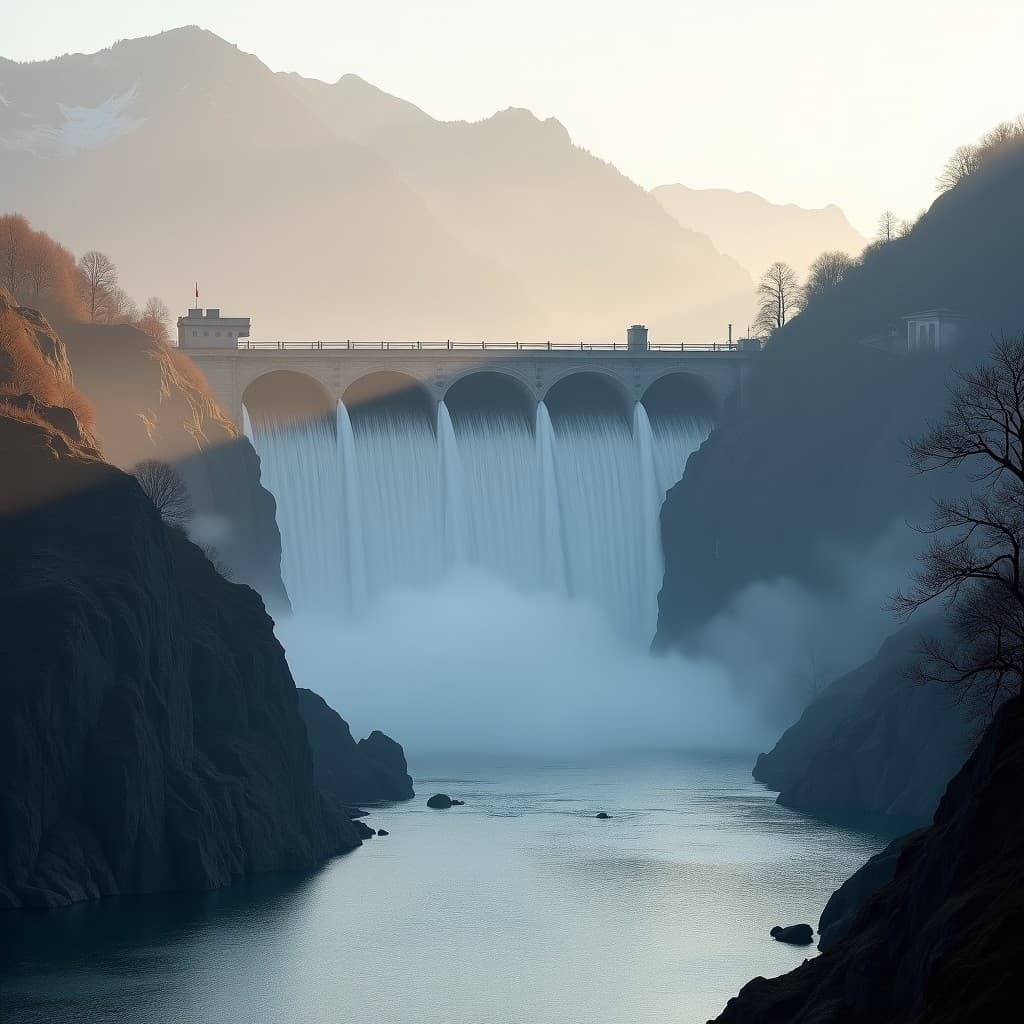
The heatwave scorching Europe has reached the Alps. France recorded its hottest day ever on Tuesday, with temperatures exceeding 40 degrees Celsius across swaths of the continent, according to Météo-France and reports from the Guardian. Italy's grid operators have already warned of further power disruptions as electricity demand surges, the Local Italy reported Friday. For Valle d'Aosta, the pressure is acute: the region depends on hydroelectric generation for power supply.
The mechanics of the crisis are straightforward. Heatwaves drive air-conditioning load upward at precisely the moment when Alpine water sources contract. Glacial melt accelerates in the short term, but warmer stream temperatures reduce the density of water available for power generation. Longer-term, the retreat of permafrost and glaciers—documented in international climate research—narrows the seasonal window when hydroelectric plants can operate at full capacity. The Guardian and BBC have both reported on the intensity of this summer's European heat as human-caused climate change intensifies such extremes.
Valle d'Aosta's economy depends on reliable electricity for tourism and local infrastructure. As temperatures climb and power grids strain across the continent, the region faces pressure to maintain power supply during periods of peak demand and climate stress.
The immediate risk is cascading. When grid demand peaks during extreme heat, operators must choose between rotating blackouts or drawing down reserves. Italy's defence infrastructure, transport systems and hospitals all depend on uninterrupted supply. The Local Italy reported Friday that blackouts had already struck Italian cities earlier in the week, with warnings of further cuts to come as the heatwave peaks.
For Alpine regions more broadly, climate scientists have warned that these areas face some of the steepest temperature rises in Europe, with permafrost thaw accelerating infrastructure damage and water availability becoming increasingly volatile.
The heatwave also signals a longer structural shift. Europe's energy transition depends on hydropower as a stabilizing force for renewable grids. But if Alpine water sources become unreliable, that foundation weakens. Alpine regions will absorb the first shock of this change and bear the cost of adaptation as climate pressures intensify.