
SCIENCE
Alpine peaks face second heat surge as Saharan air mass moves north
Trentino-Alto Adige braces for extended high temperatures after May's early heatwave, raising questions about mountain water and tourism infrastructure.
Klara Hofer298 wordsEdition №19Thursday, 18 June 2026 — Edition № 19
Hot air from the Sahara has settled over much of western Europe this week, according to the Guardian's weather tracking, with heatwave conditions building across the continent. The Guardian reported that a mass of hot air from the Sahara has spread northward from the Iberian peninsula, bringing temperatures well above seasonal norms. This follows an early heat wave in May that already tested the region's resilience, the New York Times noted, as France, Germany, Italy and other countries sought respite from unusual warmth.
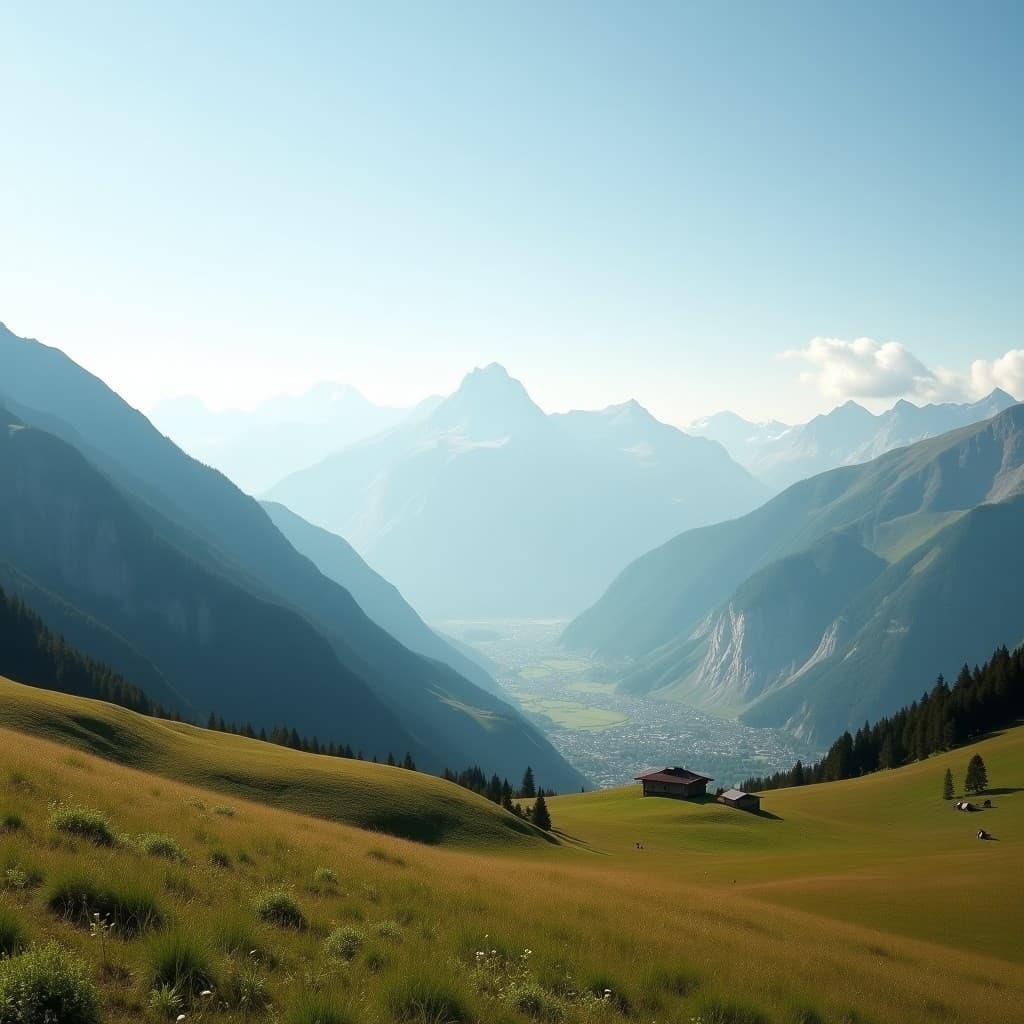
For Trentino-Alto Adige, the second surge in as many months presents acute challenges specific to Alpine geography. Mountain regions depend on snowmelt and glacial discharge to sustain both hydroelectric generation—a pillar of the region's autonomy-funded economy—and the irrigation demands of the apple and wine sectors that anchor the valley economies. Sustained high temperatures at altitude can accelerate melt cycles and deplete reserves earlier in the season than infrastructure was designed to handle.
The region's tourism economy, already stretched by record camping and open-air holiday demand across Italy, faces additional pressure. Tourism-review reported that search activity for Italian campgrounds and holiday resorts climbed 34 percent since 2025, with 77 percent of bookings involving families or partners. Heat stress can strain both accommodation systems and the Alpine landscape that draws visitors to the Dolomites and surrounding peaks.
The Guardian's coverage does not specify forecast duration or peak temperatures for the Alpine northeast, but heatwave patterns across Europe have lengthened in recent years. Water authorities in Trentino and South Tyrol have not yet issued public statements on contingency measures, though the region's autonomy status gives it direct responsibility for resource management independent of Rome. Foreign meteorological services and EU climate monitoring bodies will track the event through the coming weeks.