
TRENTINO-ALTO ADIGE
Alpine hydropower faces summer stress as record heat grips the region
Trentino-Alto Adige's electricity backbone strains under extreme temperatures and drought pressure across Europe.
Klara Hofer452 wordsEdition №31Tuesday, 30 June 2026 — Edition № 31
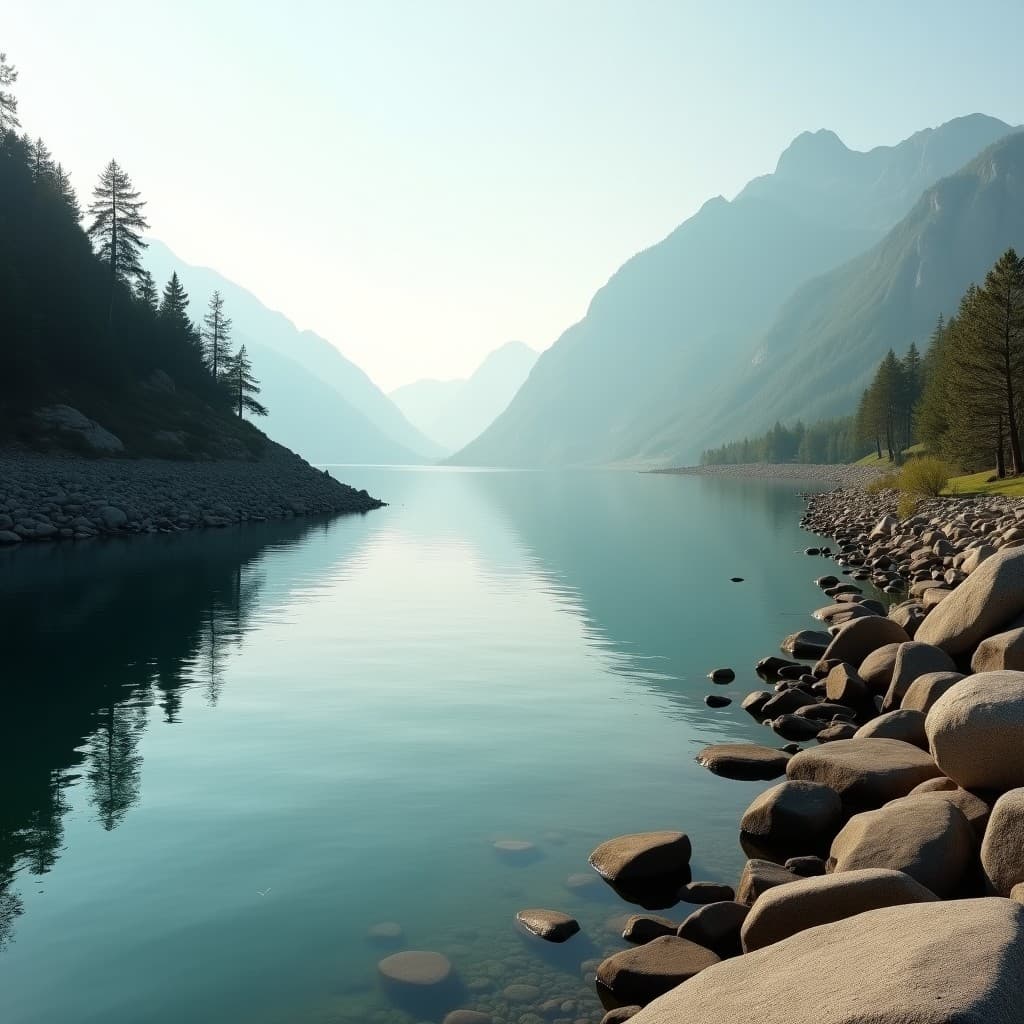
A deadly heatwave has tightened its grip on Italy and the Balkans, killing hundreds and placing 22 Italian cities under red heat warnings, according to Al Jazeera. The World Health Organisation reported more than 1,300 excess deaths across Europe since June 21. For Trentino-Alto Adige, where hydroelectricity supplies roughly 40 percent of regional power and feeds the broader Italian grid, the combination of sustained heat and reduced Alpine water flow presents a dual challenge: falling reservoir levels limit generation capacity precisely when air-conditioning demand peaks across the country.
The Guardian reported on Saturday that Germany and Italy were sweltering as records tumbled across Europe, with the weather system spreading eastward. Alpine valleys depend on seasonal snowmelt and rainfall to maintain reservoir levels through summer. This year's drought—visible in the drying Po River to the south—has compressed the region's water availability window. Local utilities, including Dolomiti Energia and Hydroelectric Dolomites, manage cascading systems that rely on consistent inflow; when precipitation falls short and temperatures remain elevated, the margins for maintaining both power supply and downstream irrigation narrow sharply.
The heatwave also stresses the cooling systems of data centres and industrial facilities scattered across the region, which draw on both hydroelectric supply and Alpine water sources for process cooling. As temperatures remain extreme through this week, regional grid operators face the prospect of rationing or purchasing expensive thermal power to meet demand—a cost that cascades through industrial production and household bills. Relief is forecast for Wednesday, according to The Local Italy, but the pattern underscores the vulnerability of Alpine infrastructure to climate volatility.
Trentino-Alto Adige's autonomy-funded electricity system, built around hydropower, has historically provided reliable, low-carbon generation. But the region sits at the collision of two pressures: Alpine precipitation is becoming less predictable, and summer demand for cooling is rising. The World Health Organisation's count of excess deaths—concentrated among older people, according to Al Jazeera—reflects a broader European failure to adapt to sustained heat. In the Alps, that failure has a technical dimension: reservoirs designed for twentieth-century precipitation patterns are being asked to support twenty-first-century demand.
The regional government in Bolzano and Trento has invested in grid modernisation and demand-side measures, but the underlying problem is structural. A single week of extreme heat does not break the system; a summer of reduced inflow does. Foreign energy analysts have begun to track Alpine hydropower as a bellwether of European climate stress, noting that Italy's reliance on hydroelectricity from the north—and Austria's similar exposure—creates a transnational vulnerability. If the Alps cannot generate sufficient power in dry, hot summers, both countries must either import thermal generation from coal or gas plants elsewhere, or manage demand through rolling restrictions.
The heatwave is expected to break on Wednesday, according to The Local Italy, but seasonal forecasts suggest the pattern may recur. For Trentino-Alto Adige, the crisis is not immediate; but it is no longer theoretical. The region's autonomy includes the power to set its own energy policy, and the coming months will test whether that autonomy extends to building resilience in a climate that the wire now treats as permanently volatile.