
TRENTINO-ALTO ADIGE
Record heat tests Alpine hydropower and tourism infrastructure
Trentino-Alto Adige faces dual pressure as heatwave peaks: grid strain and summer visitor surge
Klara Hofer432 wordsEdition №29Sunday, 28 June 2026 — Edition № 29
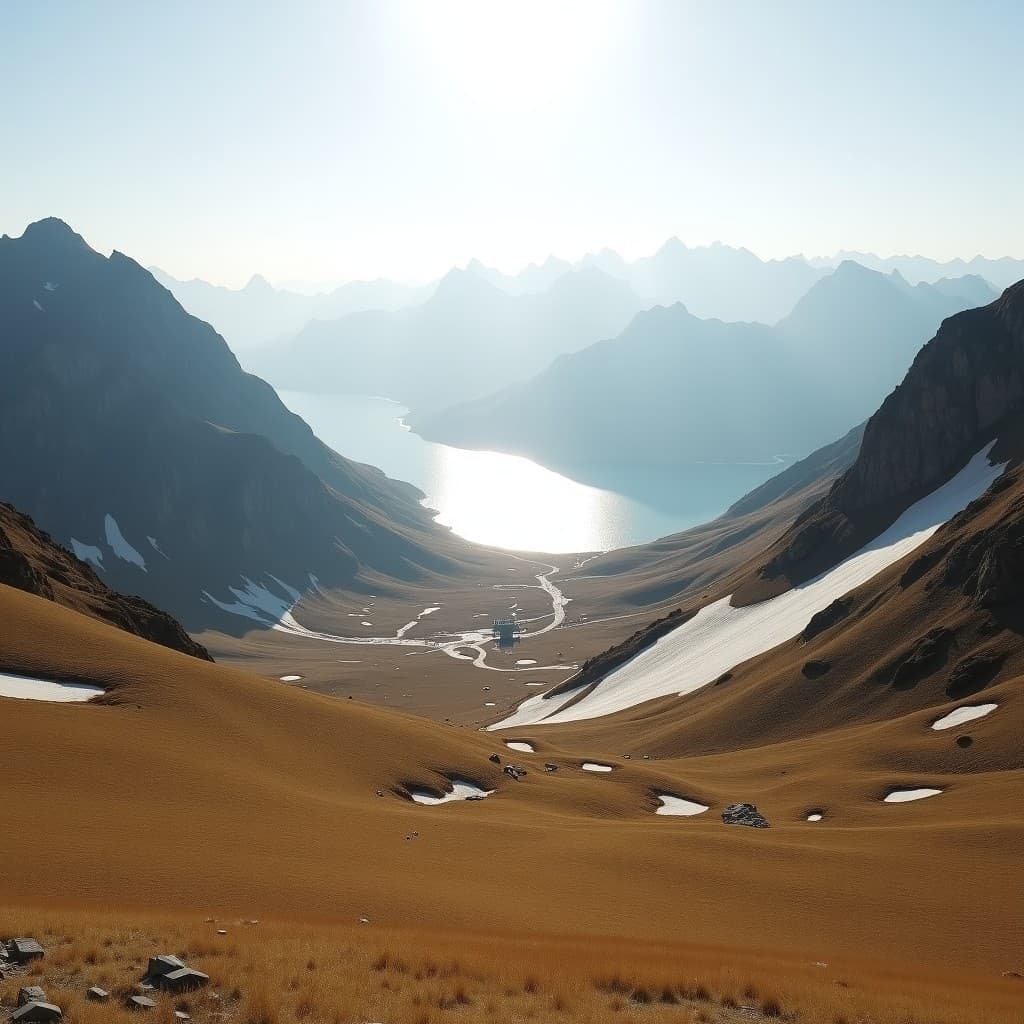
At least 193 million people across Europe are expected to experience temperatures above 35 degrees Celsius on Saturday as the heatwave shifts eastward, according to AFP calculations cited by The Local Italy. For Trentino-Alto Adige, the record heat presents a dual challenge: strain on the region's hydroelectric system, which supplies much of the power for the Italian grid, and the collision between peak summer tourism and extreme weather conditions that make mountain activities risky and uncomfortable.
The region's economy depends heavily on both hydropower generation and Alpine tourism. Hydroelectric facilities in the Dolomites and surrounding valleys have historically provided reliable summer capacity, but sustained high temperatures reduce water availability as snow and glacier melt decline earlier in the season and at lower volumes than historical norms. Simultaneously, the heatwave has already prompted authorities across Italy to issue red heat alerts in 17 cities, with warnings of further blackouts as electricity demand surges for air conditioning and cooling.
For mountain tourism, the heatwave creates a paradox: the season is at its peak, yet extreme heat makes high-altitude activities dangerous and uncomfortable. The region's hotels, cable cars, and hiking infrastructure face pressure from both the volume of visitors and the physical stress of operating in record temperatures. Foreign travel media have begun documenting how European mountain destinations are adapting—or struggling—to manage tourism during climate extremes.
The European heatwave has already claimed lives across Italy and prompted emergency measures in major cities. The Local Italy reported that five people died from heat-related causes on a single day earlier this week, with researchers warning that the current event is likely the longest heatwave on record for the country. Scientists have attributed the intensity of the heatwave to human-caused climate change, according to Friday reporting.
Trentino-Alto Adige's special autonomy gives the region considerable control over its energy policy and infrastructure planning, but the heatwave exposes the limits of adaptation. The region's mountainous terrain and reliance on hydropower mean that climate stress in the Alps directly threatens both local energy security and the broader Italian grid. Foreign coverage of Italy's power crisis has increasingly focused on the structural vulnerability of the system to climate extremes—a vulnerability that hits Alpine regions first and hardest.
The intersection of tourism and climate crisis is becoming a defining story for European mountain regions. Visitors continue to arrive expecting reliable access to high-altitude experiences, yet the infrastructure and natural conditions that make those experiences possible are shifting rapidly. For Trentino-Alto Adige, managing this tension—maintaining economic viability through tourism while adapting to a climate that is fundamentally changing the Alpine environment—will be a defining challenge in the years ahead.