
VALLE D'AOSTA
Alps draw Nordic summer travelers as European itineraries expand
International travel portals market Italian mountain villages and hiking routes to Scandinavian visitors seeking Alpine alternatives to city trips.
Camille Bréan368 wordsEdition №34Friday, 3 July 2026 — Edition № 34
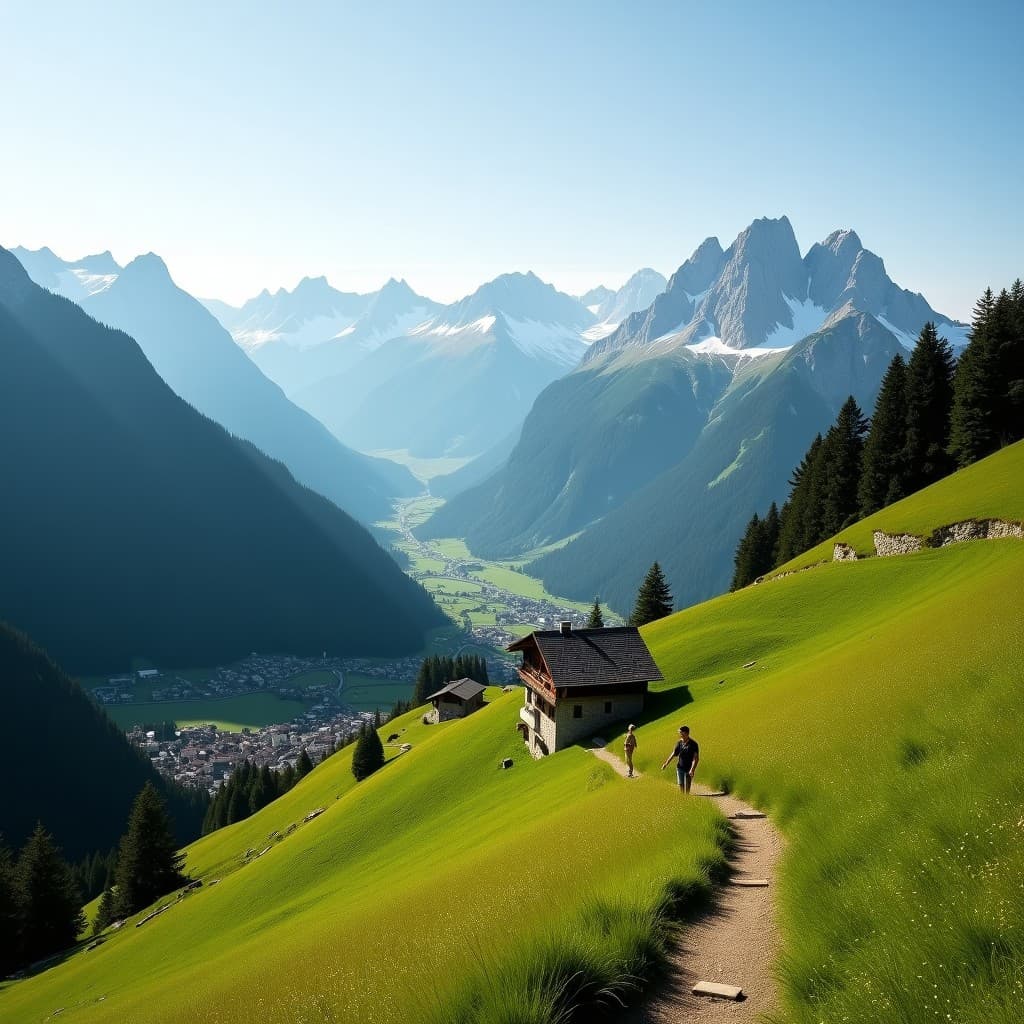
Travel portals marketing the Alps to international audiences are positioning Italian mountain villages, hiking routes and panoramic lifts as summer alternatives to crowded European cities. According to the National Law Review, platforms such as MontagnaEstate.it are mapping summer itineraries for Nordic travelers, emphasizing the Dolomites peaks, mountain huts, lakes and villages as "another visual language" for visitors planning trips to Italy.
The marketing effort reflects a broader shift in how the Alps appear in European travel planning. Rather than standalone Alpine destinations, the region is being framed as a complementary phase to city-centered tourism—travelers who spend time in Milan or Venice can extend journeys northward to mountain terrain, adding what the National Law Review describes as "lakes, villages, panoramic lifts and mountain hotel stays" to their itineraries.
The timing coincides with sustained pressure on Mediterranean and urban destinations. As summer tourism peaks across Italy, the Alps offer an alternative geography for visitors seeking cooler elevations and lower-density experiences. The strategy targets Nordic travelers specifically, suggesting travel platforms see Scandinavian markets as particularly receptive to mountain-based summer tourism.
Valle d'Aosta sits at the intersection of these marketing currents. The region's position as a gateway between Italy and France, combined with its Alpine terrain and bilingual heritage, positions it as a natural waypoint for Nordic travelers routing through the Italian Alps. The higher elevations and shorter summer season here contrast sharply with the heat stress affecting lower regions—a distinction that may appeal to travelers seeking refuge from the record temperatures gripping much of Europe.
The shift toward Alpine tourism also reflects climate realities. Europe's heatwave, which Reuters and France 24 reported has moved eastward into central and eastern Europe, has made high-altitude destinations more attractive during peak summer months. Mountain elevations offer cooler conditions and shorter growing seasons that limit the intensity of heat events affecting lower valleys and plains.
Whether the marketing translates into sustained visitor flows remains uncertain. The Alps have long attracted summer hikers and mountaineers, but the explicit positioning of the region as a summer add-on to city tourism represents a different market segment—one that may expect infrastructure, services and accessibility standards more typical of urban destinations. Valle d'Aosta's small population and limited accommodation capacity will test whether regional tourism can scale to meet international demand without eroding the Alpine character that marketing materials emphasize.