
VALLE D'AOSTA
Ancient yeast from Oetzi revives Alpine bread tradition
Scientists extract 5,300-year-old microbe from frozen mummy; Valle d'Aosta sees heritage angle in genetic archaeology
Camille Bréan1,247 wordsEdition №9Tuesday, 9 June 2026 — Edition № 9
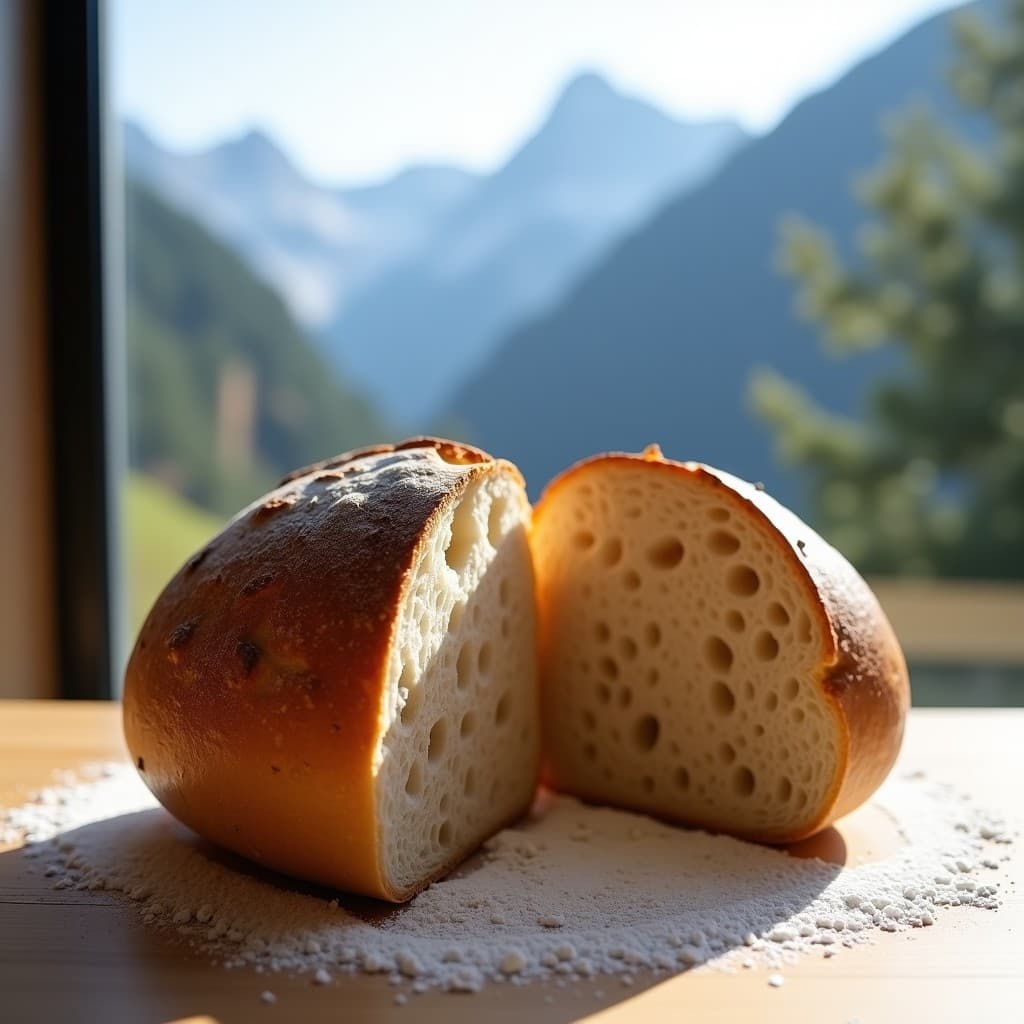
Scientists working with the frozen remains of Oetzi the Iceman, discovered on the Austria-Italy border in 1991, have isolated yeast that lived in the mummy's gut for more than 5,300 years and used it to produce a working sourdough starter, according to CBS News. The microbe, preserved in the body's tissues since the Copper Age, represents the oldest known sample of its kind and offers a rare glimpse into the microbial ecology of prehistoric Alpine populations.
The discovery carries particular resonance for Valle d'Aosta, where the Walser communities and other Alpine groups have maintained continuous bread-making traditions across centuries. The yeast's survival and viability suggest that fermentation practices may have deep roots in the region's food culture, predating written records by millennia.
The research underscores how the Alps function as a natural archive of human history. The extreme cold that preserved Oetzi also preserves the microbial record of his diet and digestive system, offering archaeologists and food historians a tangible link to prehistoric subsistence practices that conventional excavation cannot reach.
Oetzi's remains, found at 3,210 metres on the Similaun glacier near the Austrian-Italian border, have yielded unprecedented detail about Alpine life in the fourth millennium before Christ. The mummy's stomach contents revealed his final meals—grains, legumes, ibex meat—but the yeast discovery adds a new dimension: evidence of fermentation technology or at least the presence of wild yeasts in the food chain.
CBS News reported that the yeast was successfully cultured and used to leaven bread, demonstrating that the microorganism remained viable after more than five millennia of frozen storage. The finding suggests that sourdough fermentation may have been part of Alpine food preparation far earlier than previously documented, though researchers have not yet determined whether Oetzi's yeast was deliberately cultivated or incidental to his diet.
For Valle d'Aosta, the discovery aligns with the region's identity as a custodian of Alpine heritage. The valley's dairy traditions, its distinctive breads, and its bilingual culture all rest on the premise of continuity—that ways of living in the high mountains have persisted, adapted but recognisable, across centuries. The yeast finding extends that narrative backward by thousands of years.
The Walser communities, German-speaking Alpine settlers who migrated to Valle d'Aosta and surrounding regions in the medieval period, have maintained distinctive food practices including bread-making techniques that differ from lowland Italian methods. Whether those practices descend from Copper Age precedents remains speculative, but the yeast discovery suggests that fermentation knowledge could have survived in oral tradition and embodied practice across the millennia.
International climate and glaciology research has long treated the Alps as a natural laboratory for understanding human adaptation to extreme environments. Oetzi's remains, preserved by the same permafrost that is now retreating due to warming temperatures, represent a closing window on that archive. As glaciers melt across the region, other frozen remains and artefacts may emerge—or be lost.
The yeast isolation also reflects advances in paleomicrobiology, a field that has grown as DNA sequencing and culturing techniques have improved. Researchers can now recover and identify microorganisms from archaeological contexts that would have been invisible to earlier generations of scientists. This capability has implications beyond food history: understanding the microbial ecology of ancient populations offers clues to disease, nutrition, and environmental conditions.
Valle d'Aosta's tourism economy has long marketed the region as a place where Alpine tradition remains alive. The yeast discovery provides a scientific foundation for that narrative, suggesting that practices visible today—sourdough baking, dairy production, seasonal transhumance—may represent genuine continuities with prehistoric Alpine life rather than invented heritage.
The research also highlights the region's position at the intersection of Italian and international scientific networks. Oetzi's remains are held in Bolzano, in the autonomous region of Trentino-Alto Adige to the north, but the discovery has drawn attention from researchers across Europe and North America. Valle d'Aosta, with its own strong autonomy and Alpine identity, watches such findings as evidence of the region's historical and cultural distinctiveness within Italy.
Permafrost degradation poses a threat to the preservation of such remains. As temperatures rise in the Alps, the frozen ground that has protected Oetzi and potentially other archaeological material for millennia is thawing. The yeast discovery may represent one of the last major findings from the current generation of Alpine ice mummies before climate change alters the conditions that have preserved them.
The practical application—using ancient yeast to bake bread—has also captured public imagination in ways that purely scientific findings might not. Food heritage tourism is a significant sector in Valle d'Aosta, and the story of Copper Age sourdough offers a compelling narrative for visitors interested in the deep history of Alpine foodways. Local bakeries and heritage organisations may find value in the discovery as they position themselves within a longer historical arc.
The yeast's isolation also raises questions about microbial diversity in prehistoric populations. Modern sourdough starters are typically dominated by Saccharomyces cerevisiae and Lactobacillus species, but ancient samples may reveal different microbial consortia. Understanding how fermentation microbes have changed—or remained stable—over five millennia could illuminate the history of human-microbe coevolution in food production.
For Valle d'Aosta specifically, the discovery reinforces the region's claim to be a place where Alpine knowledge has deep roots. The autonomy that the valley jealously guards—its bilingual status, its distinct legal and fiscal arrangements within Italy—rests partly on the assertion that the region has a distinctive culture and history. Ancient yeast from the high mountains provides unexpected scientific support for that historical claim.