
TRENTINO-ALTO ADIGE
Alpine summer tourism surges as American travelers discover mountain alternative to crowded coasts
Shift in seasonal patterns reshapes hospitality and infrastructure demands across Trentino-Alto Adige as US market expands
Klara Hofer383 wordsEdition №30Monday, 29 June 2026 — Edition № 30
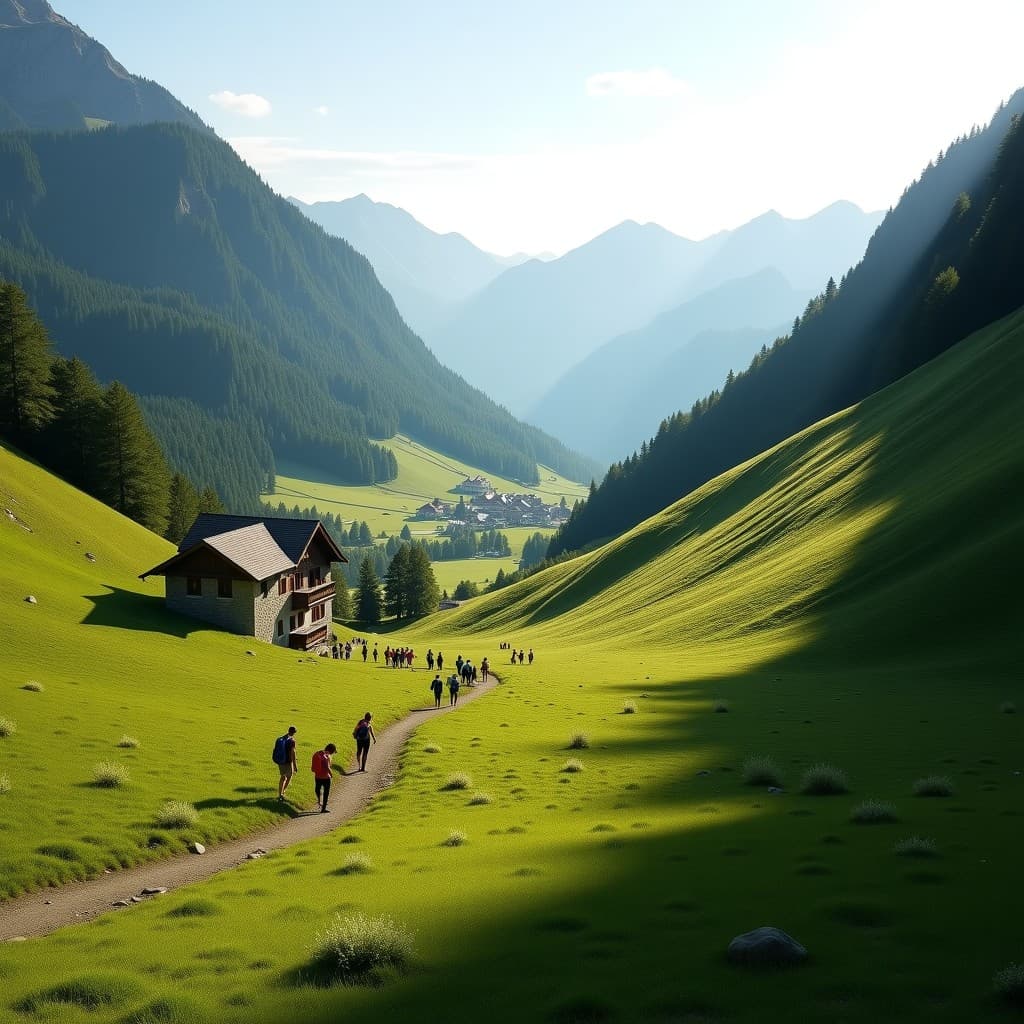
The Alps are emerging as a summer destination for American travelers seeking alternatives to Europe's overcrowded coastal regions, according to reporting from the National Law Review. The San Nicolo Valley and other high-altitude zones in the Italian Alps are attracting growing numbers of North American visitors who view the mountains as a complete vacation experience rather than a winter-only retreat. This seasonal shift represents a departure from the traditional pattern of Alpine tourism, which has historically peaked during winter sports months.
The phenomenon carries direct implications for Trentino-Alto Adige's hospitality economy. As the National Law Review noted, Americans are "discovering that the Alps in summer are not just a beautiful detour, but a complete vacation experience." The region's tourism infrastructure—hotels, restaurants, mountain guides, and transit systems—has historically been calibrated for winter demand and brief shoulder seasons. A sustained influx of summer visitors would require year-round staffing, expanded accommodation capacity, and enhanced mountain access during months when such infrastructure has traditionally operated at minimal levels.
The shift also intersects with the region's environmental constraints. Summer tourism in Alpine valleys places stress on fragile ecosystems during the brief growing season when flora and fauna are most vulnerable. International travel media has increasingly scrutinized the ecological cost of expanded mountain tourism, particularly as climate change alters the Alpine environment. Higher temperatures are already extending the summer hiking season and intensifying use of mountain trails, water resources, and accommodation facilities.
For the regional economy, the trend offers both opportunity and risk. Extended summer tourism could distribute annual revenue more evenly across the calendar and reduce dependency on winter sports—a sector vulnerable to climate variability. However, it also demands careful management of carrying capacity in valleys and on mountain trails. The Trentino-Alto Adige government, which exercises special autonomy in regional planning, will likely face pressure to balance tourism expansion with preservation of the Alpine landscape that attracts these visitors in the first place. Foreign travel media have begun noting this tension, particularly as destinations across the Alps grapple with overtourism in summer months.