
MOLISE
American couple buys Molise home for $13,000, reversing decades of abandonment
CNBC profiles foreign buyers drawn to Italy's emptying interior as cheap property and lifestyle shift attract diaspora and outsiders
Antonio Petrella448 wordsEdition №29Sunday, 28 June 2026 — Edition № 29
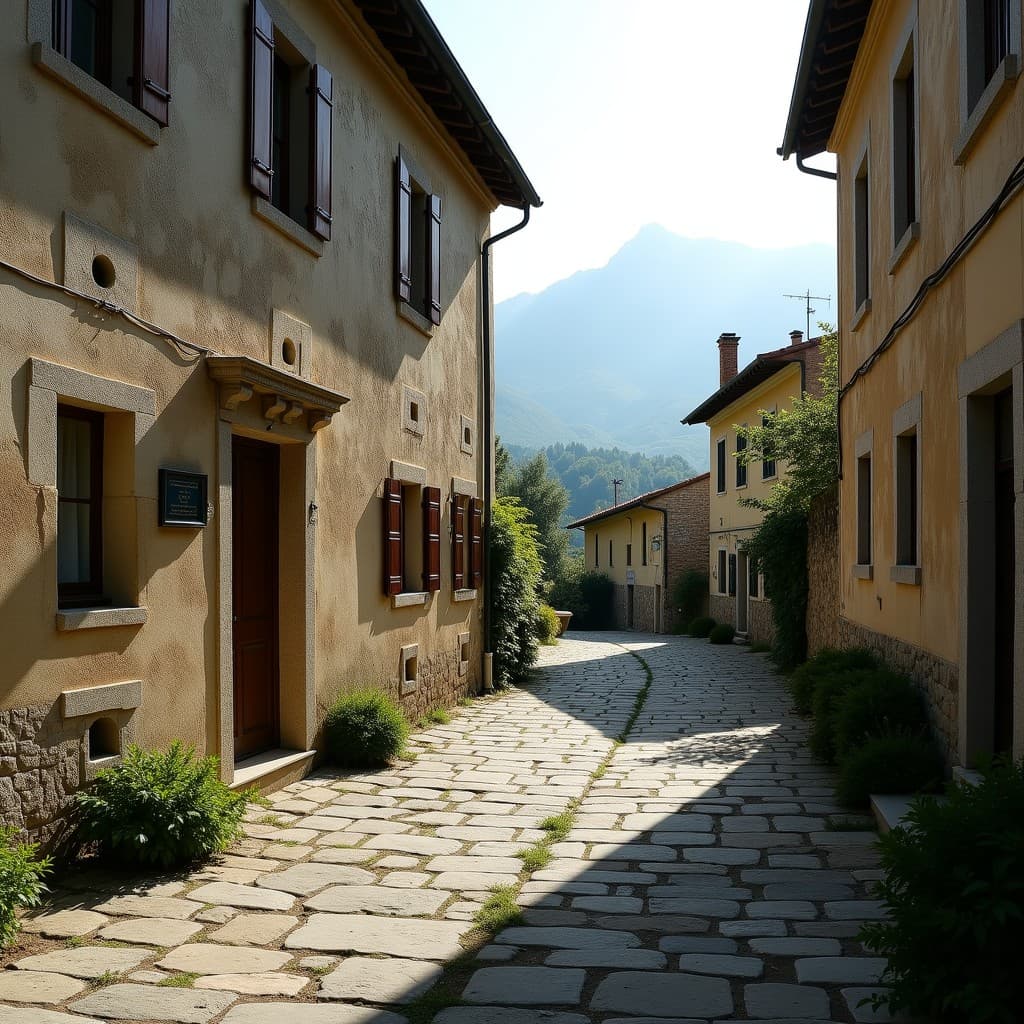
A New York couple has joined the trickle of foreign buyers discovering Molise's abandoned housing stock, purchasing a home in the region for $13,000 according to a feature published by CNBC on Saturday. Cassandra Tresl and her husband Alex Ninman left the United States and found, in their words, "a different way of life" in Italy—a narrative that the American business press has begun to amplify as an emerging lifestyle and financial trend. The couple's story reflects a broader pattern: as Molise's native population continues to emigrate northward or abroad, foreign buyers and remote workers are beginning to acquire the region's cheapest real estate.
For Molise, a region where the "Molise doesn't exist" joke reflects genuine demographic collapse, the arrival of foreign capital and residents represents a tentative counterweight to decades of depopulation. The region has lost roughly a quarter of its population since the 1980s, leaving thousands of homes empty and entire villages reduced to a handful of elderly residents. Foreign media outlets covering Italy's interior depopulation have increasingly highlighted the role of cheap property and lifestyle appeal in attracting outsiders—a pattern that reframes abandonment as opportunity.
CNBC's framing—emphasizing the couple's decision to raise their daughter outside the United States and their embrace of Italian life—mirrors a broader narrative in international coverage: that Italy's emptying South offers not only affordable housing but also a slower, more connected way of living. Whether such individual purchases can reverse Molise's structural economic decline—or merely delay it by inserting a thin layer of foreign residents into depopulated villages—remains an open question. Foreign correspondents have noted that individual lifestyle migrants rarely generate the employment or tax revenue needed to sustain local services or reverse emigration of the young.
Molise's housing market has collapsed alongside its population. Entire villages in the interior have seen property values plummet as young families depart and aging residents pass away without heirs remaining to inherit or maintain homes. The result is a glut of extremely cheap housing—often €5,000 to €20,000 for intact structures—that has begun to attract foreign buyers seeking second homes, remote work bases or lifestyle changes. CNBC's feature on the Tresl-Ninman purchase suggests this trend is gaining visibility in the American financial and lifestyle press.
The foreign press has covered similar patterns across Southern Italy's interior—in Calabria, Basilicata and Puglia—as a kind of demographic reversal: outsiders arriving as natives depart. However, foreign correspondents have also noted the limits of such reversals. A handful of foreign residents do not restore local schools, medical services or employment. They may preserve buildings and inject small amounts of spending into local economies, but they do not typically halt emigration or restore demographic vitality. The pattern is real but fragile.
For Molise specifically, the arrival of foreign residents adds a new dimension to the region's identity as a place defined by absence and abandonment. The "Molise doesn't exist" meme—a running joke in Italian popular culture—reflected a genuine invisibility; now, foreign media interest in cheap property and lifestyle appeal is beginning to reframe that invisibility as opportunity. Whether opportunity translates into stability remains to be seen.