
UMBRIA
Ancient Tuscan vines yield secrets of modern wine's origins
DNA from 2,000-year-old seeds reveals how Roman grapes shaped today's winemaking; Umbrian producers watch genetic research reshape understanding of regional heritage
Niccolò Mariani487 wordsEdition №16Monday, 15 June 2026 — Edition № 16
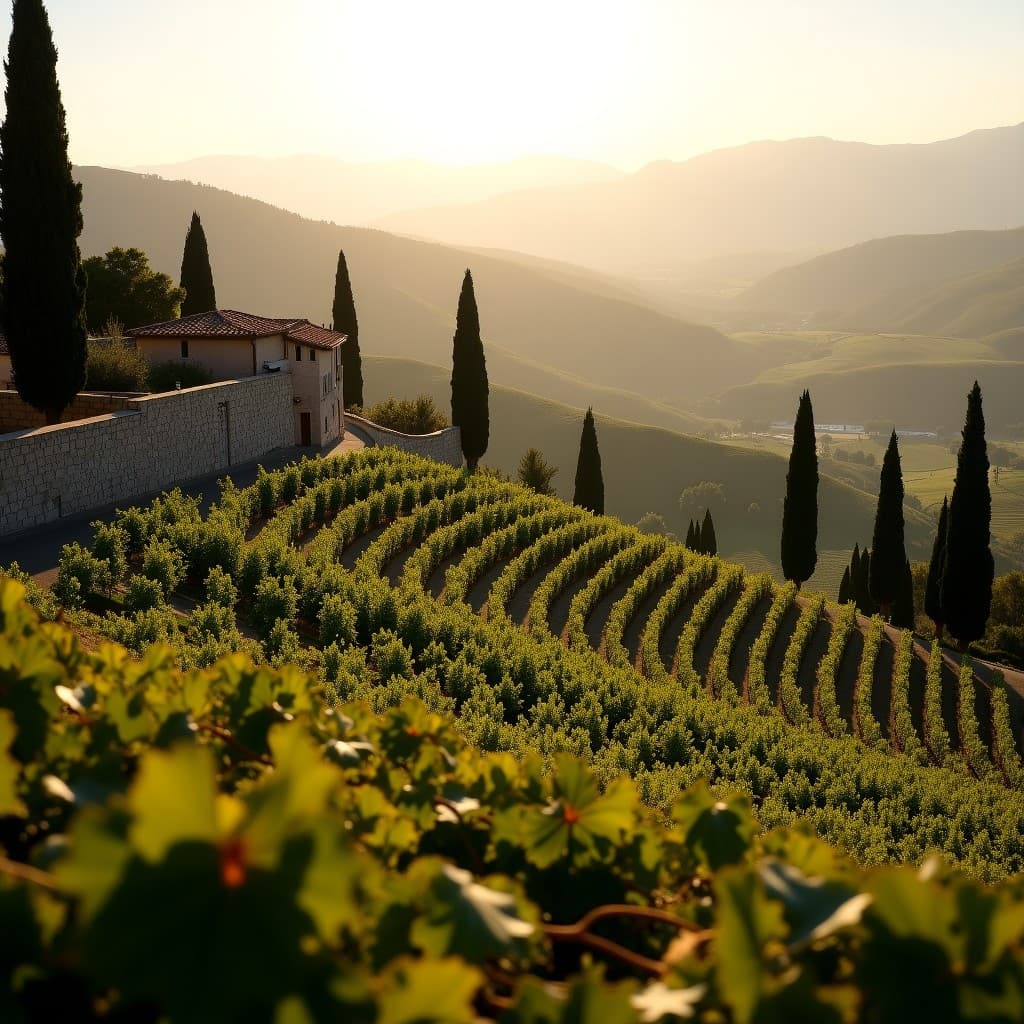
Researchers extracting DNA from 2,000-year-old grape seeds found in ancient wells across Tuscany have mapped the most extensive genetic history of grapevines recovered from a single archaeological site, the Guardian reported on Sunday. The findings enable scientists to trace how Roman viticulture shaped the vineyards that define central Italy today—and to understand the selective breeding that transformed ancient varieties into the modern wines the region exports worldwide.
The discovery carries particular weight for Umbria's own wine economy, which sits in the shadow of Tuscany's global reputation yet shares the same Mediterranean-continental climate and soil composition. Umbrian producers—concentrated in the Torgiano and Montefalco zones—have long relied on inherited knowledge of grape cultivation passed down through generations, knowledge now anchored in measurable genetic ancestry. The research suggests that the varieties Umbrian winemakers tend today are themselves descendants of Roman stock, their characteristics shaped not by accident but by centuries of deliberate selection.
The Guardian's account notes that the ancient vines of Chianti, famed for red wines, produced white fruit, a finding that complicates the narrative of fixed regional identity. For inland Umbria, where smaller producers compete on heritage and terroir rather than scale, the implication is both humbling and clarifying: the grapes themselves carry a history that precedes any modern designation, a genetic record older than the hill towns where they grow.
The research, conducted by scientists studying archaeological remains, represents a shift in how wine heritage is understood and validated. Rather than relying on written records or oral tradition—the usual sources for Umbrian producers asserting the antiquity of their methods—genetic evidence provides an objective measure of continuity. The Guardian reported that the DNA work enables researchers to identify not only which varieties existed in Roman times but also how they were cultivated and crossed, revealing patterns of deliberate husbandry.
For Umbria's wine sector, the finding arrives amid broader European attention to agricultural heritage and protected designation of origin (PDO) systems. The region's wines—Sagrantino di Montefalco, Torgiano Rosso Riserva—derive their market value partly from claims of historical authenticity and place-based distinctiveness. Genetic proof of Roman ancestry strengthens those claims, offering international buyers a narrative grounded in scientific fact rather than marketing alone. The research also raises questions about which modern varieties truly reflect ancient practice and which represent later innovations, a distinction that could reshape how regional producers position themselves in a competitive global market.
The broader implication, as the Guardian's reporting suggests, is that modern European winemaking is not a recent invention but a direct continuation of Roman agricultural science. For Umbria—a region where agriculture remains central to identity and economy, yet where younger generations increasingly migrate to cities—the research offers a form of validation: the work their ancestors performed was not merely local custom but part of a continuous, scientifically measurable tradition stretching back two millennia.