
VALLE D'AOSTA
Scientists harvest yeast from Iceman's remains, bake Alpine bread
Five-thousand-year-old microbe found in mummy's gut revives ancient fermentation on the mountain where Oetzi died
Camille Bréan318 wordsEdition №38Tuesday, 7 July 2026 — Edition № 38
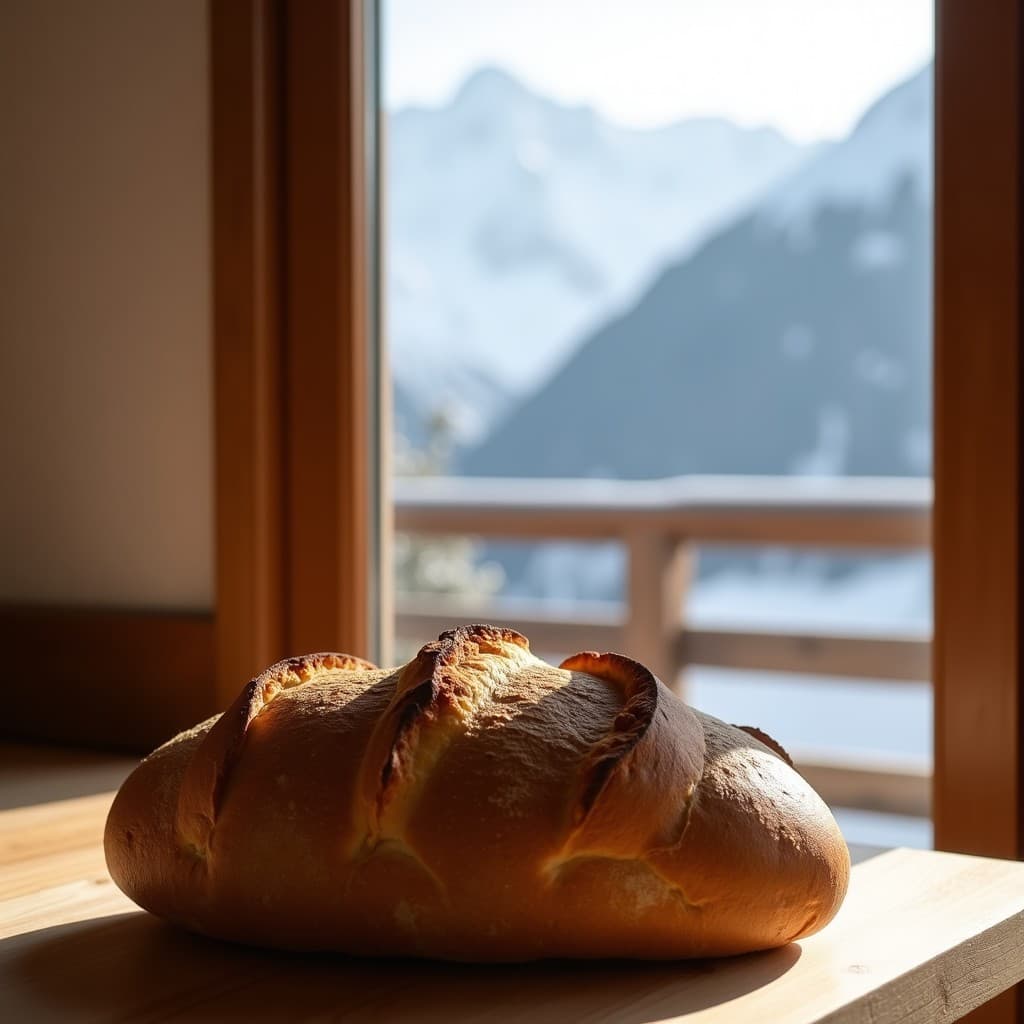
Oetzi the Iceman, a mummified figure discovered on the Austria-Italy border more than three decades ago, has yielded an unexpected gift: viable yeast cells that lived in his gut for millennia and survived the freeze. According to Phys.org, scientists have cultured the microbe and used it to bake bread, revealing that fermentation practices may stretch back to the Bronze Age. The discovery places Valle d'Aosta and the surrounding Alpine region at the center of an emerging scientific narrative about ancient food technology and microbial survival.
The Iceman was killed by an arrow in the back more than 5,300 years ago, before the Egyptian pyramids were built, according to Phys.org. His body was preserved in ice on a high mountain pass, and modern analysis of his remains has become a window into Bronze Age Alpine life. The yeast, which survived in the frozen remains, tells a story about the microbes that inhabited the human gut in prehistory and the foods that sustained mountain populations.
The yeast discovery is significant for Alpine archaeology and microbiology alike. It suggests that fermented foods—bread, beer, possibly dairy products—were part of the diet of high-altitude peoples in the Neolithic and early Bronze Age. The fact that the microbe remained viable after thousands of years in ice raises questions about how Alpine environments preserve biological material and what other microbial signatures might be locked in ancient remains.
For Valle d'Aosta, the finding adds another layer to the region's identity as a place where ancient and modern Alpine life intersect. The Iceman himself is claimed by both Italy and Austria, his body housed in a museum in Bolzano, just outside the Valle d'Aosta border. Yet his death and preservation occurred in the high mountain landscape that defines the entire Alpine arc, and his microbiome belongs to no single nation. The yeast, now cultivated and used to bake bread, is a tangible link between contemporary Alpine culture—still rooted in bread-making and mountain food traditions—and the deep past.