
ESTERO
Ancient Tuscan grape DNA maps origins of modern winemaking
Two-thousand-year-old seeds from Chianti wells reveal genetic history and challenge assumptions about historic viticulture
Adriana Sole448 wordsEdition №16Monday, 15 June 2026 — Edition № 16
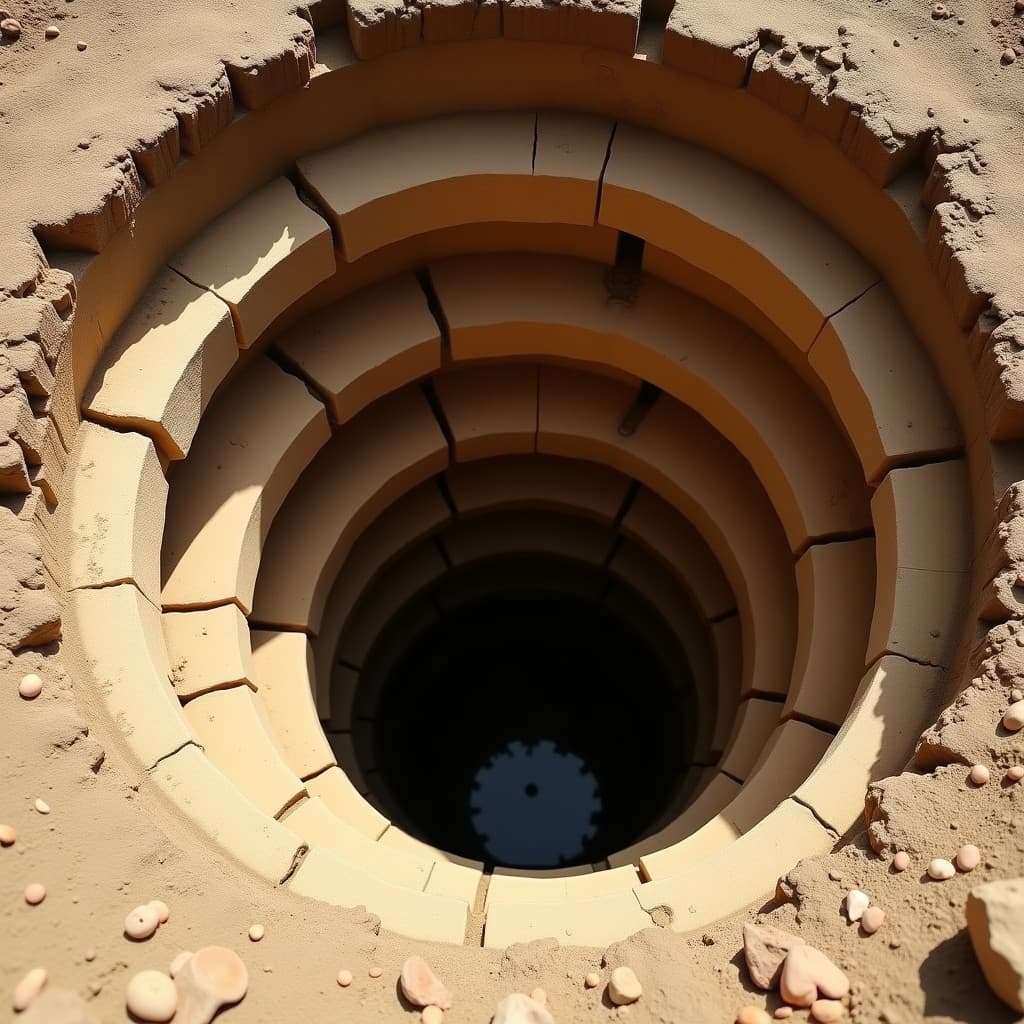
Researchers extracting DNA from 2,000-year-old grape seeds found in ancient wells in Tuscany have traced the genetic lineage of Roman-era viticulture with unprecedented detail. According to the Guardian, the findings represent the most extensive genetic history of grapevines recovered from a single archaeological site. The discovery has particular significance for understanding Chianti, the region's most celebrated wine appellation, which historical records suggest produced white wines in antiquity despite its modern reputation for red varietals.
The genetic data challenges long-held assumptions about the continuity of Tuscan winemaking. The ancient vines sampled from the wells show a different genetic profile from modern Chianti grapes, suggesting that either the varietals have changed substantially over two millennia or that the region's viticultural practices underwent significant transformation. For Italy's wine industry—a cornerstone of the country's soft power and export economy—the findings offer new historical grounding for understanding how modern Italian viticulture evolved from its Roman foundations.
The research underscores Tuscany's role in European agricultural history and adds scientific dimension to the region's cultural identity. As the world's press increasingly covers Italy's food and wine heritage as part of its global brand, the genetic evidence provides new material for understanding how contemporary Italian wine production connects to—or diverges from—its ancient past. The discovery may also influence how Tuscan producers frame their products in international markets.
The Guardian reported that the DNA analysis was conducted on seeds recovered from ancient wells, allowing researchers to reconstruct the genetic composition of vines that grew in Tuscany during the Roman period. This methodological approach—using archaeological evidence to inform contemporary genetic science—represents a growing intersection between classical studies and modern molecular biology. For scholars of Roman agriculture and viticulture, the findings provide direct genetic evidence of what wines were actually produced in one of Europe's most historically significant wine regions.
The revelation that ancient Chianti produced white wines is particularly striking, as it contradicts the modern identity of the region. The Guardian noted that this shift in production suggests either deliberate replanting with different varietals over the centuries or a gradual genetic drift as vineyards were replanted and crossbred. Understanding when and why this transition occurred could illuminate broader patterns in European agricultural history—how trade, climate, taste preferences and commerce have shaped regional farming practices across centuries.
For Italy's international positioning, the research adds scholarly credibility to narratives about Italian wine's deep historical roots. As wine tourism and food heritage marketing become increasingly important to Italy's economy and cultural diplomacy, scientific validation of the connection between ancient and modern viticulture strengthens the country's claim to unbroken tradition. The findings may also prompt Tuscan producers to explore whether reintroducing ancient white varietals could become a point of differentiation or historical authenticity in crowded global wine markets.