
TOSCANA
The Antinoris Still Patron the Arts in Florence, Six Centuries Later
Wine dynasty continues Renaissance tradition of commissioning contemporary work, linking medieval merchant class to modern collectors
Costanza Bardi349 wordsEdition №12Thursday, 11 June 2026 — Edition № 12
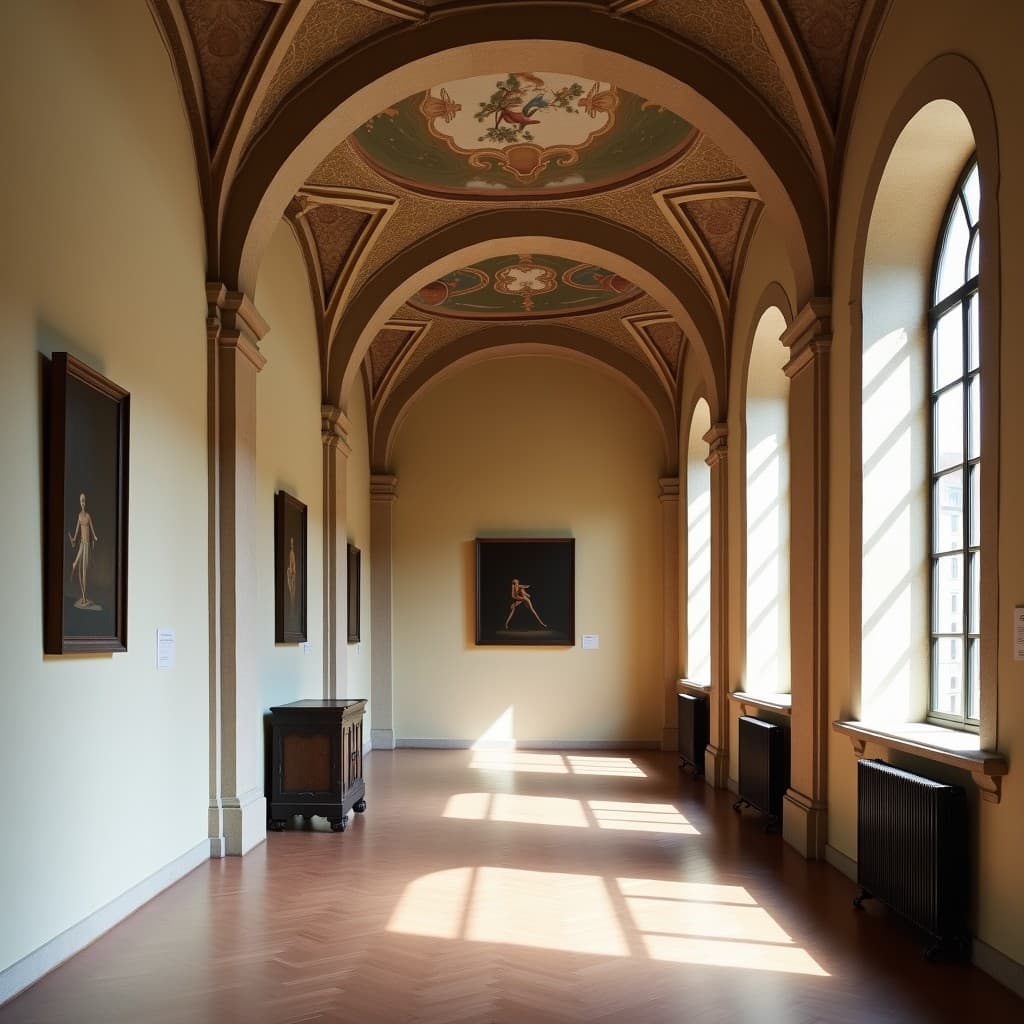
The Antinori family, whose name appears in Florentine records alongside the Medici as patrons of Renaissance art, remains active as collectors and commissioners in contemporary art, according to the Financial Times. The family's wine business, rooted in Tuscany since 1385, has provided the financial foundation for their sustained engagement with the visual arts across six centuries.
The Financial Times notes that the Antinoris, like other wealthy merchant families of medieval Florence, used art patronage as both cultural practice and social assertion—a pattern that persists in their modern collecting activities. The article frames their continued involvement as a link between the Renaissance tradition of aristocratic patronage and contemporary collecting practices.
The Antinori case is instructive for understanding how certain Tuscan families have maintained cultural authority across centuries of economic and political upheaval. While the Medici's dominance faded after their political power waned, families whose wealth derived from land, wine, and trade—rather than banking alone—often sustained their influence through continuity of cultural investment. The Antinoris' wine estates in Chianti, Brunello di Montalcino, and Bolgheri have provided stable revenue streams across periods when Florence itself transformed from a political power to a cultural monument.
The Financial Times article suggests that contemporary patronage by such families serves multiple functions: it maintains family prestige in a globalised art market, it anchors Tuscan identity to Renaissance cultural memory, and it positions private wealth as custodian of aesthetic value. The Antinoris' commissioning of contemporary work—rather than merely collecting historical pieces—distinguishes them from collectors who treat Renaissance Florence as a closed historical chapter to be preserved rather than extended.
For Tuscany's international image, such patronage reinforces the narrative that the region remains a living centre of cultural production rather than an open-air museum. Yet the concentration of such patronage in old merchant families also raises questions about who shapes contemporary aesthetic discourse in the region—a question the Financial Times does not directly address, but which shadows any discussion of private cultural authority in a place where tourism and heritage conservation have become the dominant economic logic.