
ABRUZZO
Naples quake stirs Apennine memories of 2009 L'Aquila disaster
A 4.7-magnitude tremor near Naples injures dozens and revives scrutiny of Italy's seismic preparedness
Marco Di Sante420 wordsEdition №66Monday, 3 August 2026 — Edition № 66
A 4.7-magnitude earthquake struck near Naples on Friday evening, injuring at least 26 people and prompting the evacuation of about 300 residents in what the Guardian described as the strongest tremor to hit the southern Italian region in four decades. The quake, which occurred at 7.46pm local time, caused power outages and damage to properties across the volcanic Campi Flegrei area, with at least five people taken to hospital.
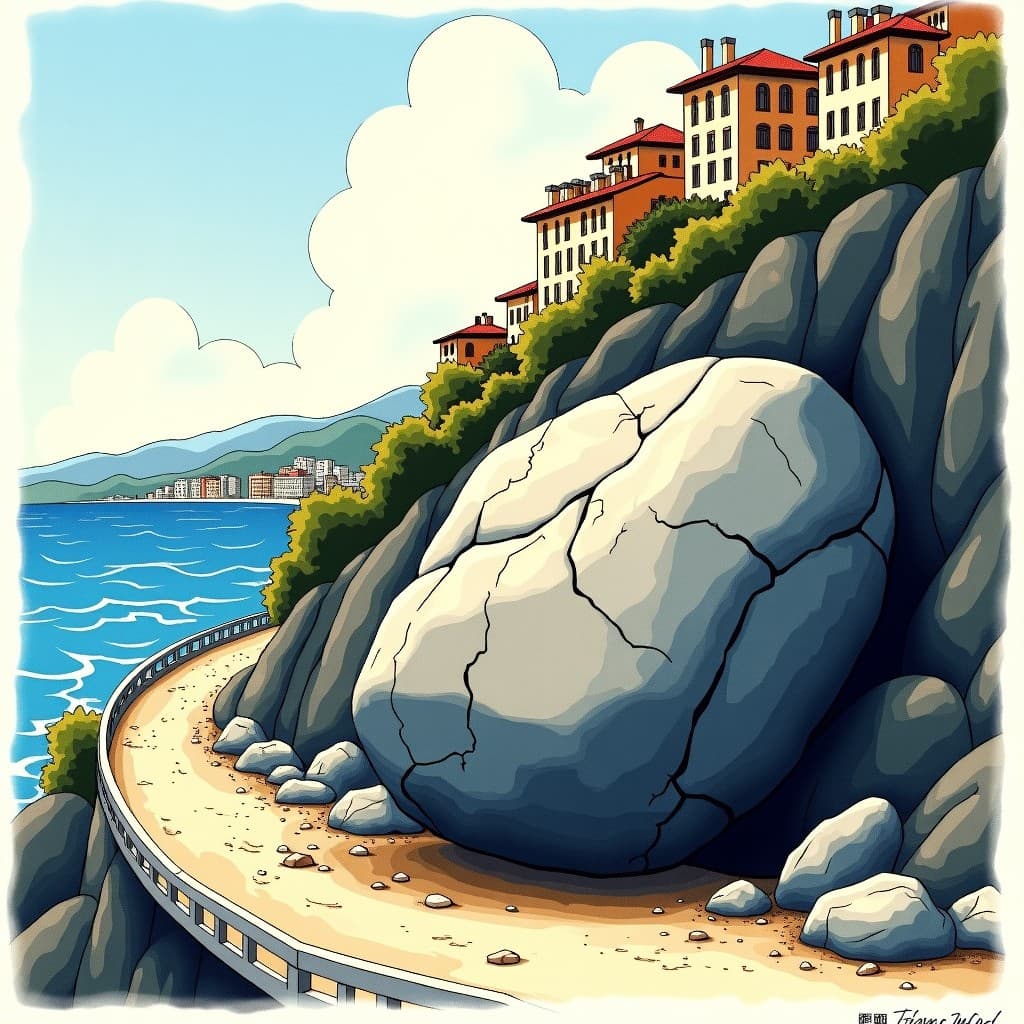
Residents captured the moment a rockfall hit the city of Pozzuoli, west of Naples, as the seismic swarm rattled the region. The Guardian reported that the event is part of a series of tremors that have heightened concerns about the stability of one of Europe's most densely populated volcanic zones.
For those in Abruzzo, the news carries a particular weight. The 2009 earthquake that struck L'Aquila, killing more than 300 people, remains a defining memory for this mountainous region, and each major tremor elsewhere in Italy reopens questions about the state's capacity to protect communities built along the Apennine fault lines.
The Naples quake has drawn international attention to Italy's broader seismic exposure. The Guardian noted that the Campi Flegrei, a supervolcano west of Naples, has been experiencing increased seismic activity in recent years, a phenomenon scientists attribute to the movement of magma and fluids beneath the surface. The 4.7-magnitude event on Friday was the strongest to hit the area in 40 years, according to the paper's Rome correspondent.
The Local Italy reported that the quake caused 26 injuries and damaged properties, with authorities working through the weekend to assess the full extent of the destruction. At least 300 people were evacuated from their homes, many of them in Pozzuoli, where the rockfall was captured on video by residents. The Guardian's footage showed a large boulder breaking away from a mountainside and plunging onto a roadway, a stark illustration of the geological forces at play.
For Abruzzo, the event is a reminder of the region's own seismic history and its unfinished reconstruction. The 2009 L'Aquila earthquake killed more than 300 people and damaged between 3,000 and 10,000 buildings, according to international reports at the time. More than a decade later, parts of the city's historic centre remain under repair, and the memory of that disaster shapes how residents here read every new tremor elsewhere in Italy.
The international coverage has also highlighted the challenges of disaster preparedness in a country where much of the housing stock predates modern seismic codes. The Guardian's reporting on the Naples quake noted that many of the damaged buildings were older structures, a pattern familiar to those who lived through the L'Aquila disaster. As authorities in Campania work to secure the affected areas, the events serve as a sobering reminder that Italy's seismic risk is not confined to any single region but runs the length of the Apennine spine.