
INTERNATIONAL
Saudi oil giant pivots cargoes to Mediterranean as Red Sea risks mount
Aramco's shift from Suez route signals sustained pressure on shipping lanes; Genoa positioned to absorb throughput
Marina Doria340 wordsEdition №55Friday, 24 July 2026 — Edition № 55
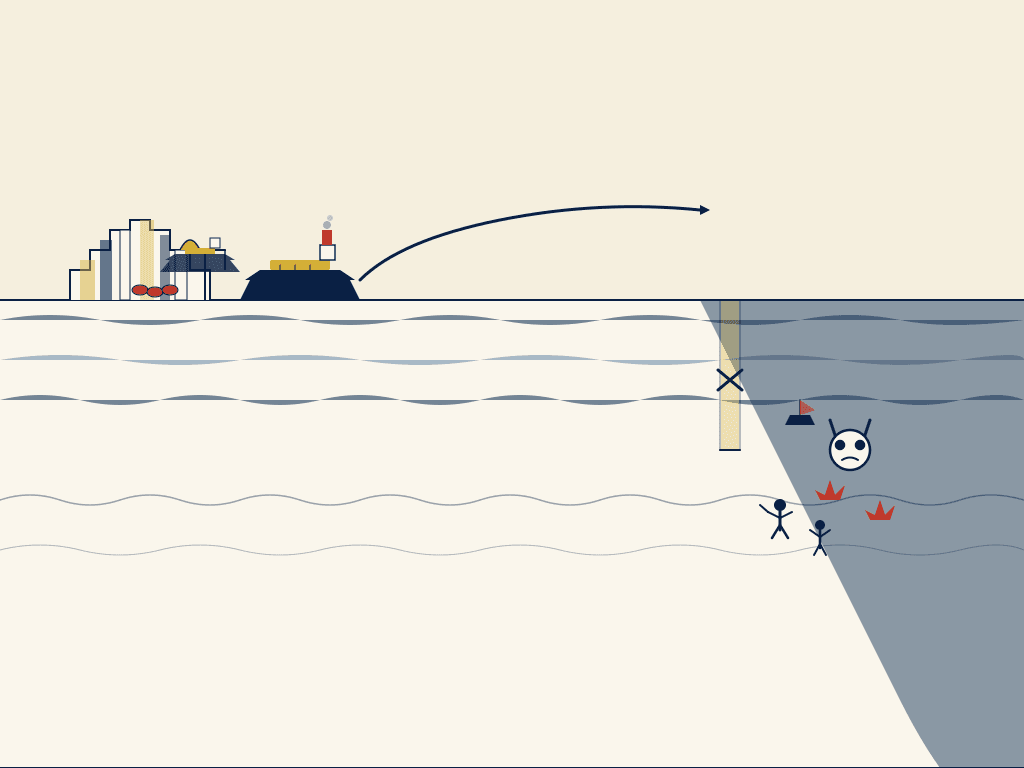
Saudi Aramco has begun offering extra crude oil cargoes to Mediterranean ports, according to five trading sources cited by Marine News Magazine on Wednesday. The move comes as Houthi militants and piracy threats in the Red Sea and Gulf of Aden continue to disrupt the traditional Suez Canal route, forcing shippers to weigh longer, costlier passages around Africa or divert to Mediterranean entry points. The shift reflects a structural challenge to global shipping that has persisted for months: the Red Sea corridor remains too dangerous for many vessels, compelling traders to recalculate routing and storage strategies.
For Genoa's port authority and the Ligurian logistics sector, the pivot carries immediate consequence. The Port of Genoa, Italy's largest container and general cargo hub, stands to absorb increased crude volumes if Mediterranean discharge points become the preferred landing zone for Middle Eastern oil. Such a shift would require terminal operators to adjust storage capacity, pipeline connections, and refining coordination with regional petrochemical facilities. The Seatrade Maritime report from mid-July warned that piracy attacks on commercial vessels in the Gulf of Aden have resumed, with an 11,000-deadweight-ton container ship among recent targets, underscoring the economic pressure driving traders away from the traditional route.
The sustainability of this diversion remains unclear. Longer voyages via the Cape of Good Hope add weeks to transit times and increase fuel costs, making them economically viable only if Red Sea insurance premiums and piracy risks persist. If Aramco's offer signals a sustained preference for Mediterranean entry, Genoa's port operators will need to coordinate with Italian energy authorities on crude handling infrastructure. The alternative—a return to normalized Suez transits—would depend on de-escalation in Yemen, a prospect that foreign analysts do not currently forecast.