
EMILIA-ROMAGNA
Audi and Lamborghini unveil 1,000-hp hybrid supercar
The Nuvolari marks a shift toward electrified performance in Motor Valley as luxury makers chase efficiency without sacrifice
Giulia Benati1,247 wordsEdition №7Sunday, 7 June 2026 — Edition № 7
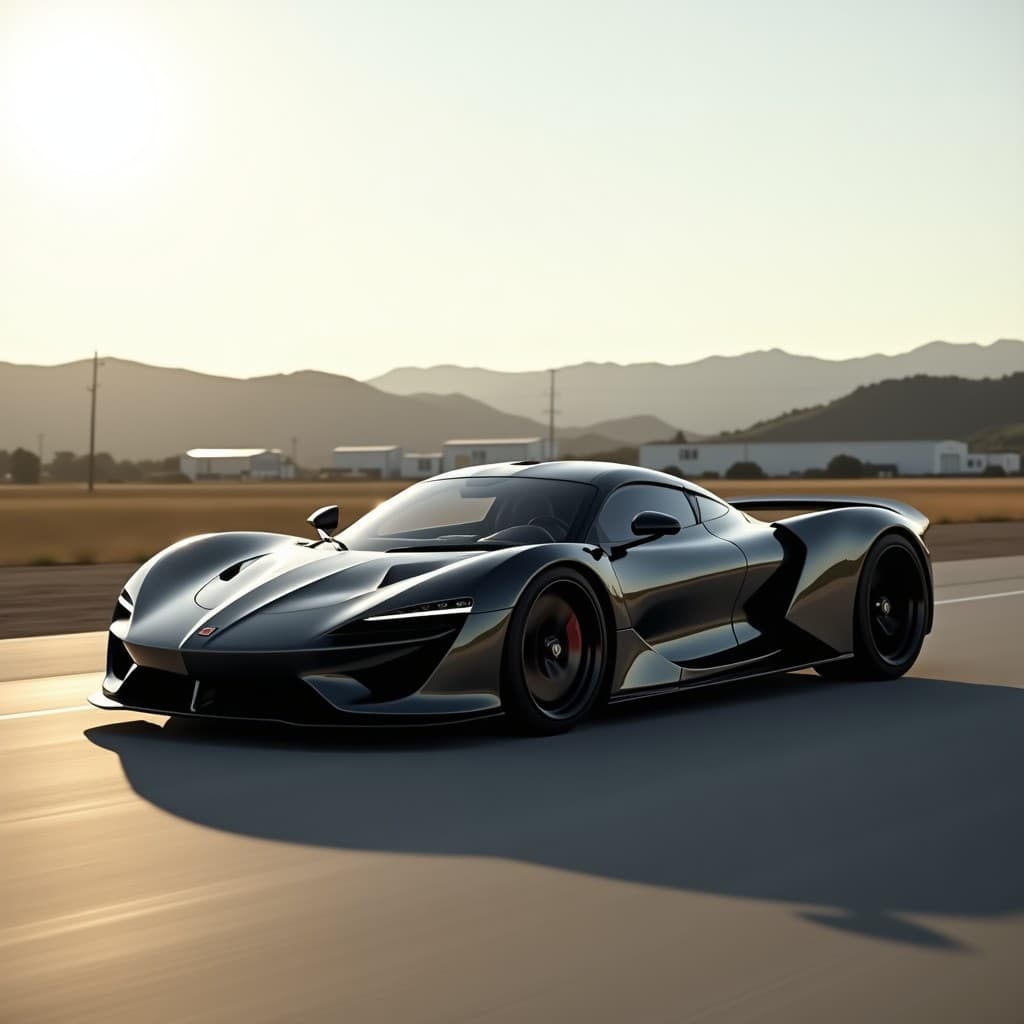
Audi has unveiled the Nuvolari, a new supercar that draws nearly 1,000 horsepower from a hybrid V8 drivetrain co-developed with Lamborghini, according to Autoweek. The collaboration marks a rare moment of shared engineering between two of Motor Valley's most celebrated marques, both now grappling with the shift toward electrified performance.
The Nuvolari's hybrid architecture reflects a broader reckoning in Emilia-Romagna's luxury automotive sector. Ferrari, Lamborghini, and Ducati—the region's iconic brands—face mounting pressure from European emissions standards and a global market increasingly skeptical of pure internal combustion. The Nuvolari suggests one answer: preserve the visceral appeal of a large-displacement engine while adding electric motors to meet efficiency targets.
The supercar's development underscores how Motor Valley remains a centre of engineering ambition even as the industry transforms. Audi and Lamborghini's willingness to pool resources on a flagship model signals confidence in the region's technical talent and manufacturing infrastructure, even as the broader automotive sector confronts an uncertain transition.
The Nuvolari represents a calculated gamble. Supercar buyers have historically prized raw engine displacement and the sound of naturally aspirated power. A hybrid drivetrain risks alienating purists who see electrification as a dilution of the supercar experience. Yet Audi and Lamborghini appear to be betting that performance—measured in acceleration, handling, and overall capability—matters more to their clientele than the purity of the powertrain.
Motor Valley's history is inseparable from the internal combustion engine. Enzo Ferrari built his legend on the belief that a car's soul resided in its engine. Ferruccio Lamborghini, the tractor manufacturer who turned to cars in the 1960s, proved that an outsider could challenge Ferrari's dominance through engineering excellence. Ducati's motorcycles became synonymous with the wail of a high-revving V-twin. These brands were born from a culture that celebrated mechanical innovation and the romance of speed.
That culture has not vanished, but it has been forced to adapt. The European Union's emissions regulations, tightening year by year, make pure internal combustion increasingly untenable for high-volume manufacturers. Luxury makers face a different calculus: their buyers are fewer but wealthier, and they can absorb the cost of cutting-edge hybrid and electric systems. Yet they cannot afford to lose the emotional connection that has always defined their brands.
Ferrari has pursued this path with its hybrid models, including the SF90 Stradale, which pairs a V12 with electric motors. Lamborghini has followed with the Revuelto, another hybrid supercar. These moves represent not a retreat but a recalibration—a recognition that the future of performance lies not in displacement alone but in the integration of multiple power sources.
The Nuvolari's shared V8 hybrid platform with Lamborghini suggests a deeper shift in how Motor Valley's makers approach engineering challenges. Historically, these brands guarded their technologies jealously, each pursuing its own path to dominance. Collaboration at this level is unusual and signals a maturation in the sector's approach to the transition ahead.
Emilia-Romagna's broader economy depends heavily on these brands and their supply chains. The region is home not only to the manufacturers themselves but to a dense network of component suppliers, design studios, and specialist fabricators. The shift toward hybrid and electric powertrains will reshape this ecosystem. Suppliers accustomed to producing traditional engines and transmissions must retool for electric motors, battery systems, and power electronics.
The regional government has begun to acknowledge this challenge. Investment in vocational training and research partnerships with universities like the University of Bologna reflect an understanding that Motor Valley's future depends on maintaining its technical edge through the transition. The Nuvolari, in this sense, is not merely a car but a signal that the region's engineering culture remains vital and adaptive.
For Audi, the Nuvolari also represents a statement about the Volkswagen Group's broader strategy in Italy. Audi has long positioned itself as the technology leader within the group, and developing a flagship supercar in collaboration with a Volkswagen subsidiary underscores that ambition. The car's Italian provenance—its engineering rooted in Motor Valley's expertise—lends it authenticity that a purely German design might lack.
The supercar market itself is small, measured in hundreds or thousands of units annually. The Nuvolari will not transform Emilia-Romagna's economy or solve the region's automotive challenges. Yet it carries symbolic weight. It demonstrates that Motor Valley remains a place where engineering ambition is realized, where tradition and innovation coexist, and where the makers of legendary machines continue to push the boundaries of what is possible.
The hybrid V8 will produce a different sound than the naturally aspirated engines of Ferrari and Lamborghini's past. Some purists will mourn that loss. But the Nuvolari's engineering represents a form of continuity—a commitment to performance, to craftsmanship, and to the idea that a car can be both powerful and responsible. In Motor Valley, that balance has always been the true measure of excellence.
As the automotive industry accelerates toward electrification, the Nuvolari offers a glimpse of how the region's most celebrated brands intend to navigate the decades ahead. Not by abandoning their heritage but by building upon it, by proving that the future of performance need not mean the end of the engine, and that Emilia-Romagna's makers can lead the world in whatever form that future takes.