
TRENTINO-ALTO ADIGE
Italian court backs hotel's refusal to serve tap water in South Tyrol case
Supreme Court ruling in Badia dispute raises questions about guest rights and service standards in Alpine tourism
Klara Hofer1,089 wordsEdition №3Wednesday, 3 June 2026 — Edition № 3
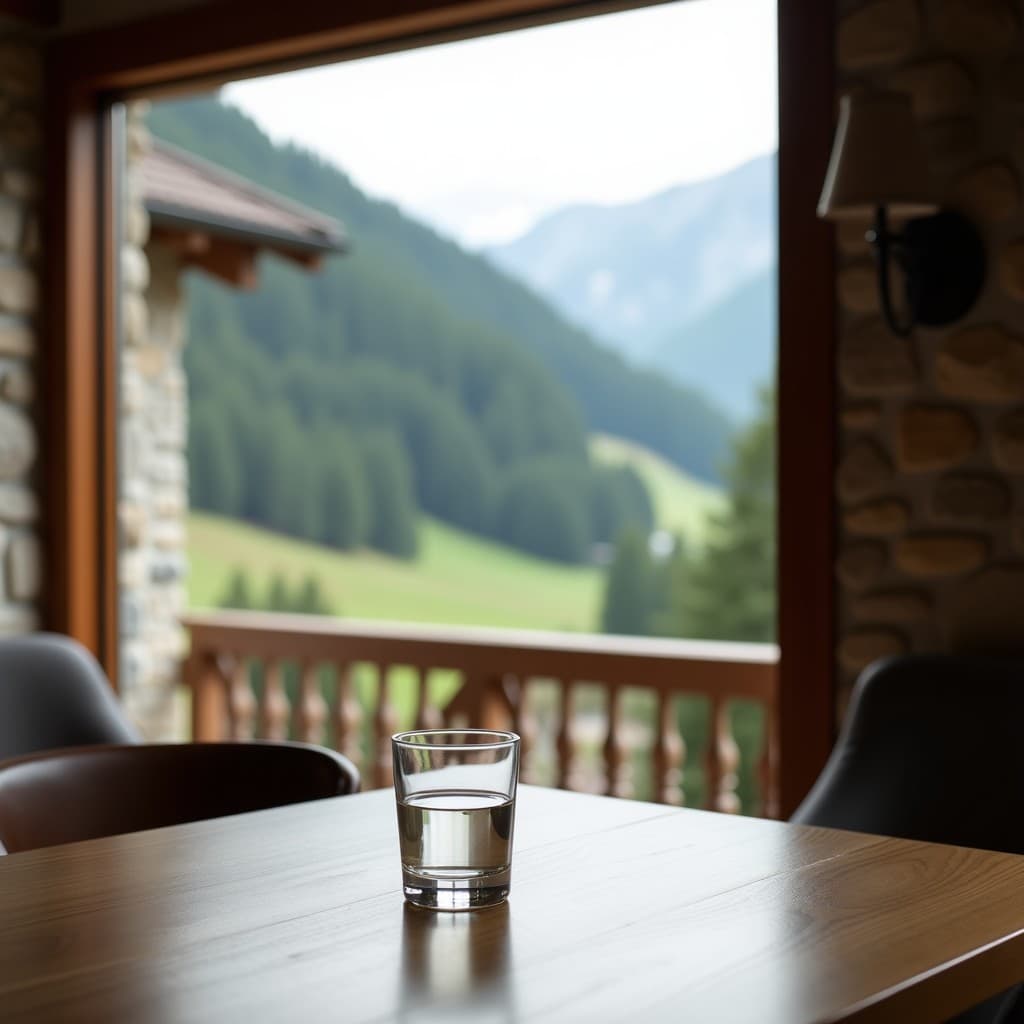
Italy's Supreme Court ruled on May 30 that a five-star hotel in Badia, a municipality in South Tyrol, did not violate the law by refusing to serve tap water to a guest. The New York Post reported the decision, noting that the case had been appealed to the country's highest court after a lower Roman court rejected it. The ruling marks the end of a legal dispute that raised questions about guest rights, service standards, and the obligations of luxury hotels in Italy.
The case centred on whether a hotel has a legal duty to provide tap water to guests. The Supreme Court's decision suggests that Italian law does not impose such an obligation on hospitality establishments, at least not in the form the plaintiff argued. The ruling is likely to have implications for how hotels across Italy—and particularly in high-end Alpine resorts—handle water service.
For Trentino-Alto Adige, the decision carries particular significance. The region's tourism economy depends heavily on luxury hospitality, especially in the Dolomites and South Tyrol's mountain valleys. Badia is a small but upscale destination in the Dolomites, known for skiing and Alpine tourism. The ruling affects how hotels in the region can manage guest services and sets a precedent for similar disputes.
The Supreme Court's reasoning, as reported by the New York Post, centred on the distinction between what a hotel is obliged to provide and what it may choose to offer. Italian consumer protection law does not explicitly require hotels to serve tap water at no charge. The court appears to have found that while a hotel might choose to provide tap water as a courtesy, it is not legally bound to do so.
The case is notable because it touches on broader questions about service standards in the hospitality industry. In many European countries, providing tap water is considered a basic service, particularly in high-end establishments. The Italian court's ruling suggests a narrower interpretation of hotel obligations, at least under current law.
South Tyrol's tourism sector is among Italy's most developed. The region attracts roughly 30 million overnight stays annually, according to international tourism data, with a significant share in luxury accommodation. The Dolomites are a UNESCO World Heritage site and a major destination for international visitors. Hotels in the region compete on service quality and amenities, and the ruling may affect how they position themselves in the market.
The dispute in Badia reflects tensions that can arise in luxury hospitality when guest expectations and hotel policies diverge. High-end hotels often differentiate themselves through service standards, and water service—whether tap or bottled—is one such point of differentiation. The ruling clarifies that Italian law does not mandate tap water provision, but it does not prevent hotels from offering it.
For Trentino-Alto Adige's tourism industry, the decision is likely to be viewed as clarifying rather than constraining. Hotels in the region have generally maintained high service standards to compete internationally. The ruling removes legal ambiguity but does not change market incentives to provide good service. Most luxury hotels in the Dolomites likely already offer tap water as a matter of course.
The case also highlights the role of regional autonomy in shaping consumer protection standards. Trentino-Alto Adige has special autonomy, which gives it some independence in setting local regulations. The region could, in principle, impose stricter requirements on hotels than Italian law mandates. However, there is no indication that the region intends to do so.
Water quality and availability are significant issues in Alpine regions. The Dolomites and South Tyrol benefit from abundant freshwater from mountain sources, and tap water is generally of high quality. The dispute in Badia did not centre on water quality but on whether hotels must provide it. The region's water abundance makes the issue less pressing than it might be in other parts of Italy.
The ruling may also have implications for how hotels market themselves. Some establishments promote their commitment to sustainability and local sourcing, which can include serving local tap water. The Supreme Court's decision does not prevent such marketing; it simply clarifies that hotels are not legally required to do so.
International travel media has occasionally covered hospitality disputes in Alpine regions, particularly when they involve luxury establishments. The Badia case, while resolved, adds to a broader conversation about service standards and guest expectations in high-end tourism. The ruling suggests that Italian courts will not impose obligations on hotels beyond what is explicitly stated in law.
For consumers, the decision means that expectations about tap water service should be clarified before booking. Hotels are free to offer it or not, and guests should confirm what is included in their stay. This places the burden of negotiation on the consumer rather than on the hotel.
The case also reflects the evolution of consumer protection law in Italy. As the country's tourism industry has grown, courts have had to interpret hospitality obligations in light of modern expectations. The Supreme Court's narrow reading of hotel duties suggests that Italian law may lag behind consumer expectations in some areas.
Looking forward, the ruling is unlikely to trigger major changes in how South Tyrol's hotels operate. Most establishments already provide tap water as a service amenity. The decision clarifies the legal landscape but does not fundamentally alter market practice. The region's tourism sector will continue to compete on service quality and guest experience, with water service as one element among many.