
BASILICATA
Drought opens path for salt inland as southern farms brace
Falling water tables across Italy's south threaten crops as heatwave persists into summer
Pietro Lasorsa348 wordsEdition №35Saturday, 4 July 2026 — Edition № 35
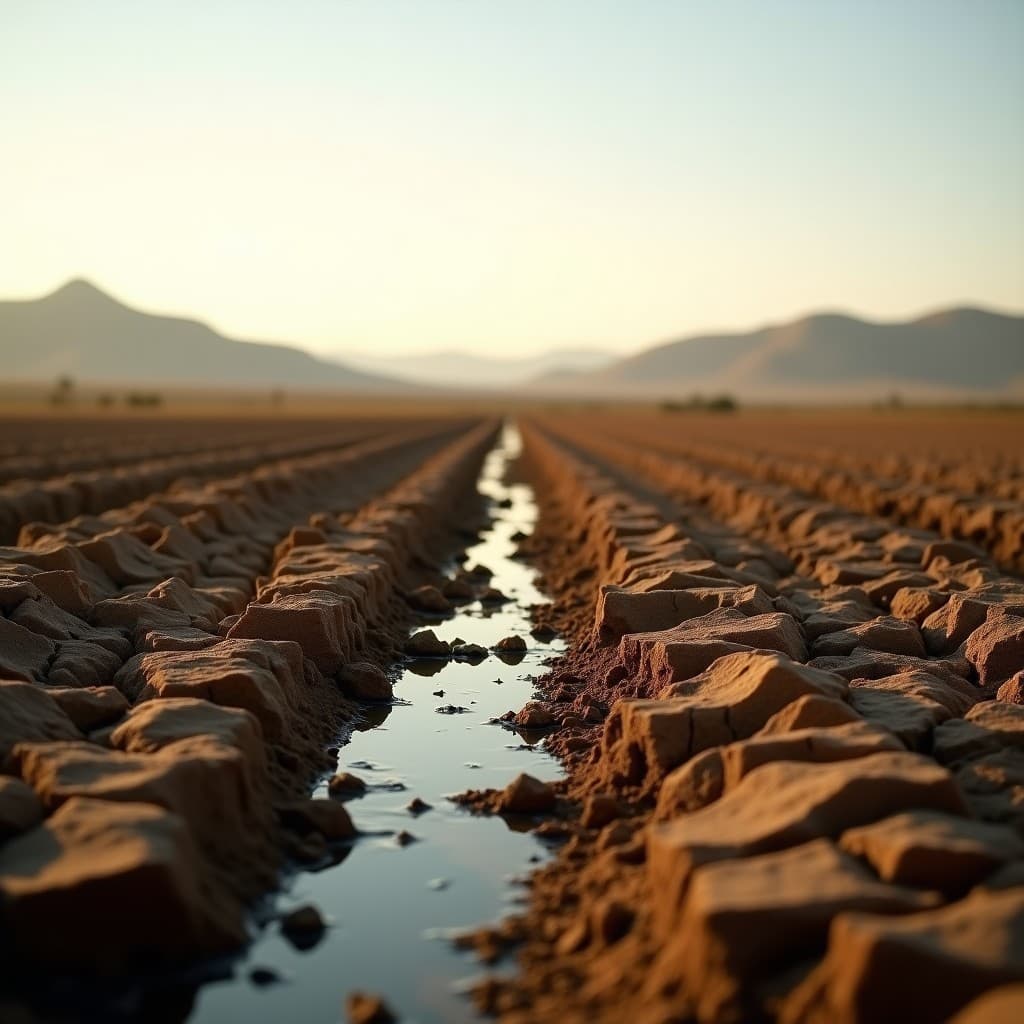
Italy's waterways are in critical condition as drought deepens across the country, the Po River Authority reported Friday. The Po's dramatically reduced flow has allowed seawater to penetrate up to 18 kilometres inland in the delta region, threatening both agriculture and protected wetlands, according to Devdiscourse. The crisis reflects a broader European heatwave that has left northern rivers depleted and southern water systems under strain.
In Basilicata, where agriculture remains a pillar of the regional economy despite decades of emigration, the drought carries particular weight. The region's farming communities, already fragile after years of outmigration, depend on reliable irrigation and groundwater reserves. Saltwater intrusion in the south's agricultural zones—whether in the Po Delta or in coastal plains—raises the cost of farming and threatens crop viability, pushing further pressure on an already strained sector.
The Local Italy reported Friday that Veneto, Italy's northeastern region, had declared a state of emergency due to drought, with rainfall from January to May running more than 25 per cent below the 2025 average. The Po River Authority warned of critical conditions across multiple waterways, with no relief forecast in coming days. This is the second summer in succession that Italy's water infrastructure has buckled under heat stress, signalling a pattern rather than a seasonal anomaly.
For southern regions like Basilicata, the implications extend beyond the immediate crisis. The region's agricultural sector—grain, vegetables, and viticulture—already operates at narrow margins, with young farmers continuing to leave for northern cities or abroad. Saltwater contamination of soil and groundwater, whether direct or through seepage, can render land unusable for years. Irrigation costs rise when sources become unreliable, and crop losses mount when salt accumulates in root zones.
Rome announced Friday what it called Italy's first comprehensive climate adaptation plan, Piano Caldo, designed to address extreme heat in urban areas. But adaptation for rural and agricultural zones—particularly in the south—lags behind. The foreign press has framed Italy's water crisis as a symptom of climate stress across southern Europe, but for farming communities in Basilicata, it reads as a threat to livelihoods already under siege from depopulation and economic contraction.