
BASILICATA
Four Burned Alive in Basilicata; Labour System Faces Reckoning
Pakistani nationals arrested after migrant workers perish in minivan; foreign press examines Italy's agricultural underclass
Pietro Lasorsa1,247 wordsEdition №9Tuesday, 9 June 2026 — Edition № 9
Italian police arrested two Pakistani nationals on Tuesday in connection with the deaths of four migrant farmworkers burned alive in a minivan, according to the Hindustan Times. Among the dead were three Afghans and one Pakistani, all employed in agriculture. The discovery has drawn international attention to the conditions under which migrant workers labour in Italy's southern regions, particularly Basilicata, where seasonal agricultural employment has long relied on undocumented or precarious workforces.
The incident represents an extreme case of a systemic vulnerability that foreign analysts have increasingly scrutinised. Reuters and other international outlets have reported on Italy's reliance on migrant labour in agriculture, a sector where enforcement of labour protections remains inconsistent and workers often lack formal contracts or access to safety oversight. The deaths in Basilicata underscore the gap between Italian law and its enforcement in rural areas where agricultural production depends on seasonal workers with few alternatives.
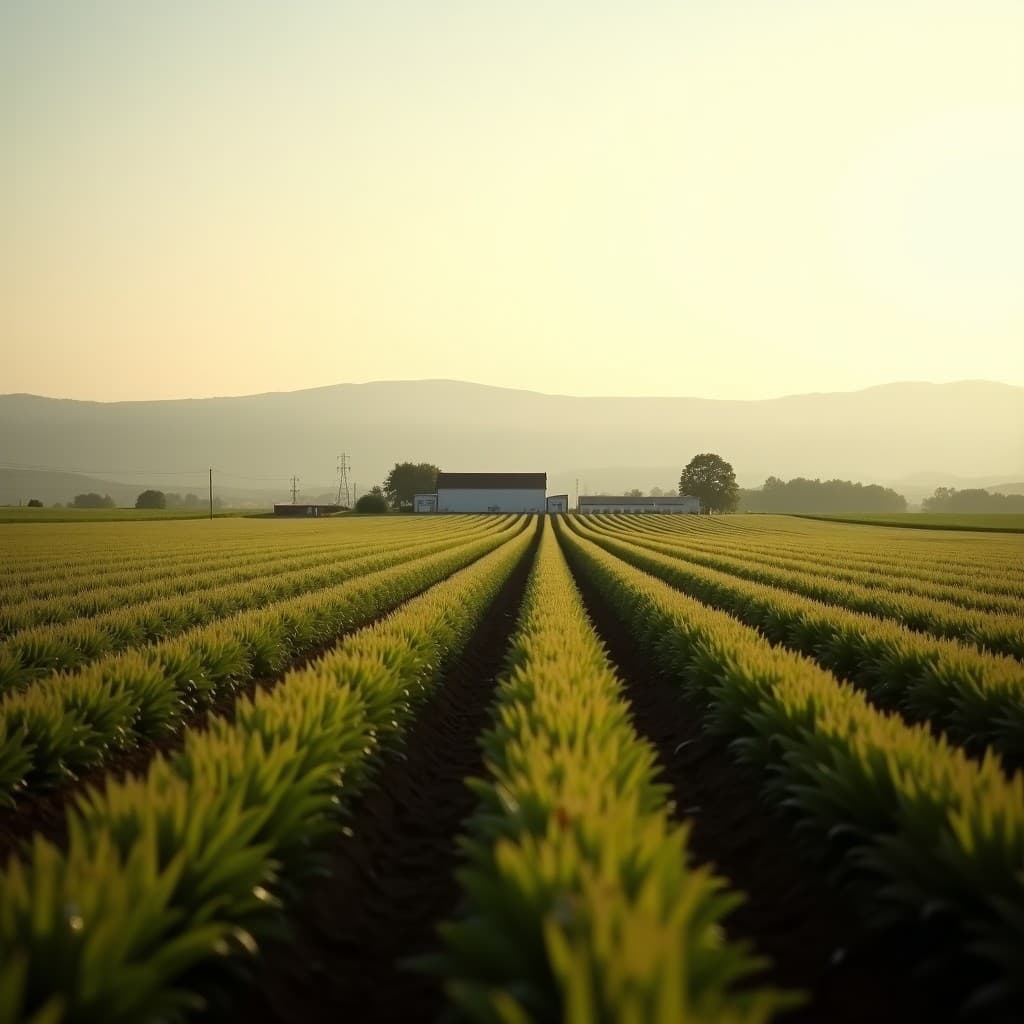
Basilicata's agricultural sector, concentrated in the Val d'Agri and surrounding plains, employs thousands of migrant workers annually in tomato cultivation, grain production, and other labour-intensive crops. The region's farms have historically operated with minimal regulatory scrutiny, a pattern that foreign correspondents covering southern Italy have documented as endemic to the broader North–South economic divide. The arrest of the two Pakistani nationals signals potential criminal exploitation rather than mere negligence, but international observers note that such extreme cases often expose deeper structural failures in worker protection.
The four men—three from Afghanistan and one from Pakistan—were discovered in the minivan in circumstances that remain under investigation. According to the Hindustan Times report, all four were migrant workers employed in agriculture, the sector that forms the backbone of Basilicata's rural economy. Italian authorities have not yet released details of how the fire began or the precise circumstances of their deaths, but the arrest of two Pakistani nationals suggests investigation into potential criminal involvement rather than accident.
Basilicata's agricultural labour force has long operated in a grey zone between legality and exploitation. The region's farms produce significant quantities of vegetables, grains, and wine, much of it destined for export or domestic supply chains. Yet the workers who harvest these crops—often from Pakistan, Afghanistan, Bulgaria, Romania, and North Africa—frequently lack formal employment contracts, health insurance, or access to safe working conditions. Foreign journalists covering Italy's agricultural sector have repeatedly documented this pattern, noting that enforcement mechanisms in rural southern Italy remain weak relative to the north.
The incident occurs against a backdrop of mounting international concern about migrant labour in Europe. The BBC, Reuters, and other major outlets have reported extensively on the Mediterranean crossing and the subsequent vulnerability of migrants who reach Italian shores. Many who survive the sea journey find themselves trapped in exploitative labour arrangements, particularly in agriculture, where seasonal work offers no stability and employers face minimal consequences for violations.
Basilicata's economy has historically depended on agriculture and, more recently, on oil and gas extraction. The region's interior—the Basilicata proper, away from the Ionian coast—remains sparsely populated and economically marginal. Foreign analysts covering Italy's regional disparities have noted that such areas often attract migrant workers precisely because local populations have emigrated northward in search of better wages and opportunities. This demographic hollowing creates a labour vacuum filled by migrants with few legal protections.
The role of the two arrested Pakistani nationals remains unclear from available reports. International coverage has not yet established whether they were employers, labour brokers, or others involved in the workers' employment or transport. Italian prosecutors will determine the precise charges, but the case has already prompted reflection in foreign media on the vulnerability of migrant workers in southern European agriculture.
Similar incidents have surfaced in other Italian regions. In 2020, a fire at a migrant labour camp in Calabria killed several workers; in 2021, reports emerged of systematic exploitation of farmworkers in Puglia. Foreign correspondents covering Italy have identified agriculture as a sector where migrant vulnerability intersects with weak enforcement, creating conditions for abuse. The Basilicata deaths represent an extreme manifestation of this pattern.
The international press has increasingly framed such incidents as symptomatic of broader European labour market failures. Reuters and other outlets have reported on the EU's efforts to tighten labour standards and enforcement, yet implementation remains inconsistent across member states. Italy, with its large informal economy and regional enforcement disparities, has been a particular focus of such scrutiny.
Basilicata's agricultural workforce is predominantly male, migrant, and seasonal. Workers typically arrive in spring for the harvest and depart in autumn, with minimal integration into local communities. Housing is often provided by employers—sometimes in substandard conditions—and workers' isolation from local authorities and support networks increases their vulnerability to exploitation. Foreign journalists have documented this pattern across southern Italy, noting that language barriers, immigration status uncertainty, and economic desperation combine to silence workers who might otherwise report abuse.
The arrest of the two Pakistani nationals may signal that Italian authorities are treating this case as criminal rather than merely occupational negligence. However, foreign analysts have cautioned that prosecuting individual perpetrators does not address the systemic conditions that enable such exploitation. The broader question—how agricultural labour in southern Italy can be brought under effective regulatory oversight—remains unresolved.
Basilicata's regional government and agricultural associations have not yet issued public statements on the incident, according to available international coverage. The silence contrasts with responses from EU institutions and international labour organisations, which have begun calling for stronger enforcement mechanisms and worker protections in southern European agriculture.
The deaths also intersect with Italy's ongoing migration debates. The BBC, Reuters, and other outlets have reported on tensions between Italy's government and the EU over migration policy, with Italy arguing that it bears a disproportionate burden of arrivals. Yet the Basilicata incident illustrates a paradox: while political attention focuses on border control and sea rescues, migrants who successfully reach Italian territory often find themselves in conditions of acute vulnerability, with minimal legal recourse.
Foreign labour organisations and human rights groups have begun calling for investigations into broader employment practices in Basilicata's agricultural sector. The incident may prompt EU scrutiny of Italian labour enforcement, particularly in regions where migrant workers constitute a significant portion of the workforce. Whether such scrutiny translates into structural reform remains uncertain; previous incidents have generated international attention without producing sustained change in enforcement practices.
The case also raises questions about supply chain accountability. Much of Basilicata's agricultural output feeds into European and global food systems; retailers and food companies sourcing from the region may face pressure to verify labour conditions among their suppliers. Foreign business press coverage of such incidents has increasingly linked corporate purchasing practices to worker vulnerability, suggesting that market pressure may eventually drive enforcement where regulation has failed.
As Italian prosecutors investigate the two arrested men, the broader question of migrant worker protection in Basilicata's agriculture remains unresolved. The incident represents an extreme case, but international observers note that it illuminates systemic vulnerabilities that affect thousands of workers annually across southern Italy's agricultural regions.