
BASILICATA
Southern Italy's farm workers face survival test as heatwave peaks
Migrant labourers in Basilicata and Puglia endure record temperatures with minimal shelter or relief
Pietro Lasorsa632 wordsEdition №28Saturday, 27 June 2026 — Edition № 28
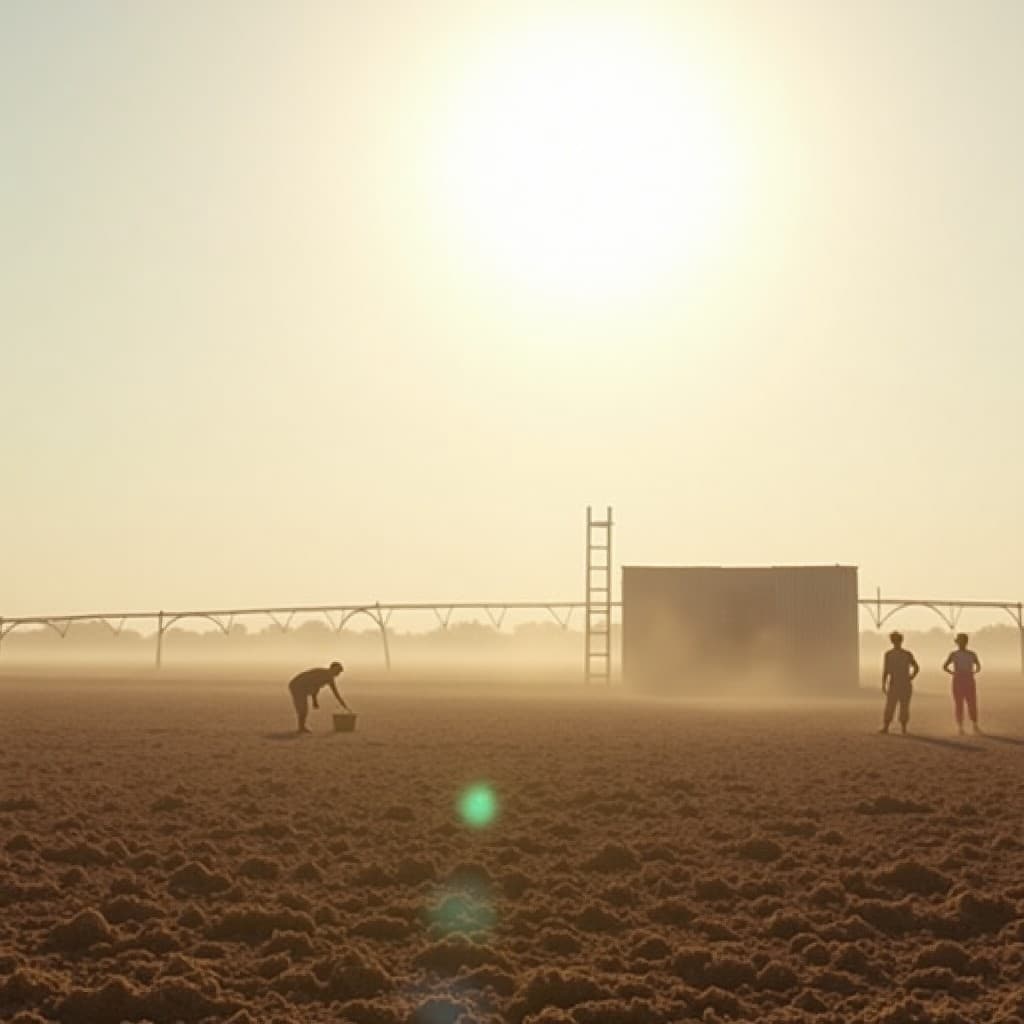
The heatwave battering Europe has reached critical intensity across Italy's southern interior, where migrant farm workers labour in fields with temperatures climbing toward 40 degrees Celsius. According to reporting from the region, workers in Puglia—Italy's largest agricultural producer and neighbour to Basilicata—are sheltering in corrugated iron shanties with no air conditioning, moving between scorched fields and makeshift camps with minimal access to cooling or medical support. The BBC and The Guardian reported this week that France, Spain and Italy have been hardest hit by the heatwave, with red weather alerts extended across much of the south.
Basilicata's own agricultural economy, centred on cereals, vegetables and wine production across the Basilicata Plain and coastal areas, faces similar pressures. The region's farming sector depends heavily on seasonal migrant labour, particularly during harvest months when heat stress becomes acute. The Local Italy reported Friday that human-caused climate change is now deemed "unequivocally" responsible for the intensity of the current heatwave, while experts warn of mounting economic costs as productivity declines across the continent. For workers in temporary housing with limited access to electricity or water, the convergence of record heat and inadequate shelter poses immediate physical risk.
The broader energy crisis compounds the strain: The Local Italy reported Friday that soaring electricity demand has triggered power cuts across Italian cities, with grid operators warning of further disruption as the heatwave peaks. In a region where agricultural work depends on irrigation pumps and processing facilities, blackouts threaten both labour conditions and crop viability. Foreign correspondents covering the crisis have focused on the human toll, particularly among workers without formal employment protections or access to official cooling centres.
Basilicata's position as a secondary agricultural region means it often absorbs workers displaced from Puglia's more developed farm infrastructure, placing additional strain on already sparse local services. The region's inland towns—Potenza and Matera—have limited cooling facilities, and rural agricultural zones where most seasonal workers are deployed have virtually none. According to The Local Italy's reporting, the heatwave represents a test of Italy's capacity to protect vulnerable populations during climate extremes.
The crisis also intersects with Basilicata's energy economy. The region hosts Italy's largest onshore oil and gas field; as electricity demand surges during heat stress, refineries and production facilities face competing pressure to maintain output while grid operators manage blackout risk. Foreign energy analysts have not yet directly connected the heatwave to Italy's oil and gas sector resilience, but the simultaneous strain on electrical infrastructure and agricultural labour points to a systemic vulnerability in the region's economy.
What emerges from foreign coverage is a picture of southern Italy's interior facing compounded climate stress: agricultural workers without formal shelter or cooling access, electricity grids strained by peak demand, and rural infrastructure inadequate to the scale of the crisis. The Guardian and BBC reporting emphasises the human cost; The Local Italy has focused on the economic consequences. For Basilicata, where agriculture remains a significant employer and energy extraction dominates investment, the heatwave exposes the tension between resource extraction and the protection of the region's most vulnerable workers.