
BASILICATA
Four farmworkers burned alive in minivan; Pakistan nationals arrested
Deaths expose agricultural labor trafficking in Italy's southern regions as police investigate criminal network
Pietro Lasorsa1,247 wordsEdition №6Saturday, 6 June 2026 — Edition № 6
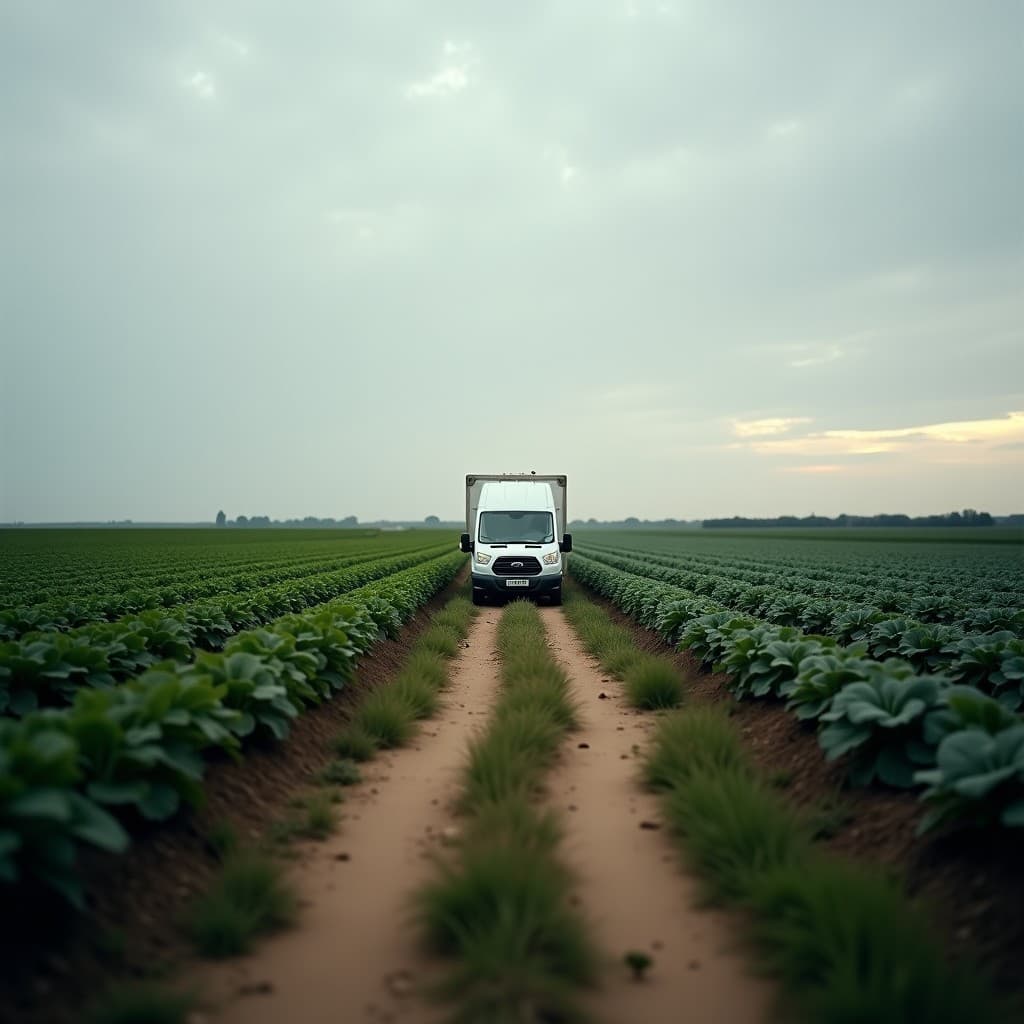
Italian police have arrested two Pakistani nationals in connection with the deaths of four migrant farmworkers found burned alive in a minivan, according to the Hindustan Times. The victims—three Afghans and one Pakistani—were all employed in agriculture. The arrests mark the latest criminal investigation into a labor trafficking network that operates across southern Italy's agricultural sector.
The discovery follows a pattern of violence targeting migrant workers in Italy's farm economy. In Basilicata and neighboring regions, migrant laborers—many undocumented—work in conditions that international observers have repeatedly flagged as exploitative. The minivan deaths underscore how trafficking networks operate with impunity across the South, where enforcement remains sparse and workers lack legal recourse.
The case implicates networks that move workers across borders and into agricultural employment under debt bondage and threat. Pakistani and Afghan nationals have become a significant portion of Italy's migrant farm labor force, particularly in regions where seasonal harvests demand rapid workforce expansion. The arrests suggest organized coordination rather than isolated criminality.
The deaths of the four farmworkers represent a criminal escalation in a labor system that has long relied on coercion and isolation. According to the Hindustan Times report, the victims were discovered in a minivan—a vehicle commonly used to transport workers between farms and labor camps. The circumstances of their deaths remain under investigation, but the arrest of two Pakistani nationals points toward a trafficking operation that may have extended across multiple countries.
Basilicata's agricultural economy, like that of Calabria and Sicily, depends heavily on seasonal migrant labor. The region's fruit and vegetable production—particularly tomatoes, melons, and citrus—relies on workers who arrive through informal networks and often lack documentation. Foreign correspondents covering Italy's labor crisis have noted that migrant farmworkers in the South operate in a legal gray zone where employment contracts are rare and wages are withheld.
The minivan case echoes earlier incidents that drew international attention. In 2018, a bus carrying migrant workers caught fire in Calabria, killing several passengers. That tragedy prompted European Union scrutiny of Italian labor practices, yet structural conditions have changed little. Workers remain concentrated in remote agricultural areas, dependent on employers for housing and transportation, and isolated from legal protections.
Basilicata's position in this network reflects the region's economic dependence on agriculture and its geographic isolation. The province of Matera, in particular, has seen migrant labor expand as local agricultural enterprises have grown. However, the region lacks the institutional capacity to monitor working conditions or enforce labor standards. Local authorities report that migrant workers often do not come forward to report abuse, fearing deportation or retaliation.
The Pakistani and Afghan nationals arrested in this case may have served as intermediaries in a broader trafficking operation. Such networks typically recruit workers in their home countries, arrange transport to Italy, and place them with agricultural employers who pay the traffickers rather than the workers directly. The debt bondage system ensures workers remain dependent and immobile.
International coverage of Italian agriculture has increasingly focused on the role of trafficking networks in maintaining low labor costs. The Guardian and Reuters have reported on how Italian agribusiness benefits from a supply of desperate workers who cannot negotiate wages or conditions. The minivan deaths represent the violent endpoint of a system that treats human labor as a disposable commodity.
In Basilicata, the agricultural sector employs several thousand migrant workers during peak seasons. The region's tomato and vegetable production is oriented toward export markets and industrial processing, creating demand for rapid, cheap labor. Local cooperatives and larger agricultural enterprises compete on price, creating pressure to minimize labor costs through informal hiring and trafficking arrangements.
The arrests may prompt temporary enforcement action, but foreign analysts covering Italy's labor crisis have noted that prosecution of traffickers rarely disrupts the underlying system. Employers who benefit from trafficking networks face minimal consequences, and the supply of desperate migrants ensures that new workers arrive to replace those who die or flee. The structural incentives for trafficking remain intact.
EU institutions have called on Italy to strengthen labor inspection and worker protections in agriculture. The European Commission has noted that Italy's agricultural sector operates with minimal oversight compared to northern European countries. However, enforcement requires resources and political will that southern Italian regions have struggled to muster, particularly in rural areas where agricultural interests hold significant political influence.
The case also implicates international migration patterns. Afghan and Pakistani nationals represent a growing share of migrants arriving in Italy through Mediterranean routes. Many lack documentation and are vulnerable to trafficking networks that exploit their legal status. The minivan deaths suggest that some trafficking operations have become more violent, possibly as competition for labor supply intensifies.
In Potenza and Matera, civil society organizations have begun documenting migrant labor conditions, but their reach is limited. Local NGOs report that workers are often housed in informal settlements without utilities or sanitation, transported in overcrowded vehicles, and paid sporadically or not at all. The minivan case illustrates how isolation and lack of oversight can escalate to fatal violence.
The arrests represent a moment of accountability, but international observers have cautioned that individual prosecutions do not address systemic exploitation. The foreign press covering Italy's labor crisis has emphasized that meaningful reform would require Italian agricultural enterprises to accept higher labor costs and reduced profit margins. Without such structural change, trafficking networks will continue to operate.
Basilicata's regional government has announced no immediate response to the minivan deaths. The region's economy remains dependent on agricultural exports, and political pressure to maintain competitiveness on global markets works against labor protections. The tension between economic growth and worker safety remains unresolved, with migrant laborers bearing the cost of that contradiction.