
BASILICATA
Italy's renewable lag widens as gas shocks hit south
Confindustria demands emergency action as Iran conflict lifts energy costs; Basilicata's oil economy faces pressure to pivot faster
Pietro Lasorsa412 wordsEdition №19Thursday, 18 June 2026 — Edition № 19
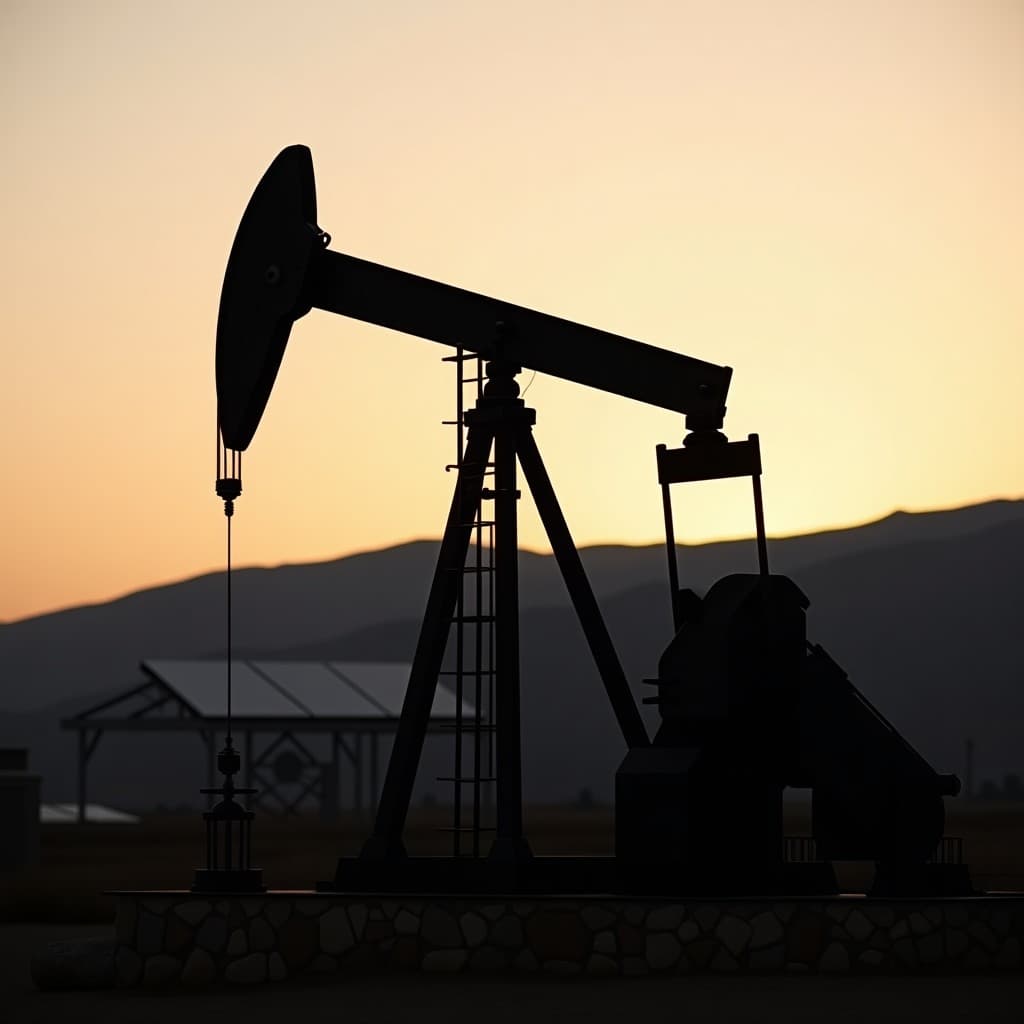
Italy's business lobby Confindustria has demanded emergency government action to speed renewable energy deployment, citing power costs now substantially higher than most of Europe. The call, reported by Marine News Magazine on Tuesday, follows the recent spike in gas prices triggered by the Iran conflict, which has sharpened focus on the cost to Italian households and firms of the slow renewable transition.
The pressure on Italy's energy infrastructure is acute. According to the Wall Street Journal, oil futures have settled at multimonth lows as the U.S. and Iran move closer to an agreement that could reopen energy markets, yet the damage from the recent spike has already exposed Italy's dependence on imported gas at a moment when other European states are further along in renewable development. The gap has become politically urgent: Confindustria's intervention signals that business confidence in the current pace of transition has eroded.
For Basilicata, the timing compounds a deeper structural question. The region holds Italy's largest onshore oil and gas field—a legacy asset that has sustained the local economy for decades but now sits at the centre of the national energy reckoning. Higher gas prices have temporarily propped up extraction revenues, but Confindustria's call for emergency renewable acceleration signals that the window for oil-led growth is closing faster than regional planners anticipated. The region's energy sector faces a choice between defending hydrocarbon extraction in a market now tilted toward renewables, or investing in the transition infrastructure—solar, wind, grid modernisation—that could reposition Basilicata as a hub for southern Italy's clean energy future.
The backdrop is a broader European energy crisis. Ukraine's ongoing drone strikes on Russian energy infrastructure, as Reuters reported in June, have kept global energy markets volatile, but the Iran negotiations represent a potential turning point toward stability. Lower oil prices, paradoxically, may accelerate the case for renewable investment by removing the artificial support that high fossil-fuel costs have provided to traditional energy sectors.
Basilicata's position is precarious. The region's oil revenues have historically funded public investment and employment in a sparse, depopulating interior. But if renewable energy becomes cheaper and politically mandatory across Italy, the region's extraction economy loses both its cost advantage and its political protection. Regional authorities have begun tentative moves toward renewable projects—solar parks, wind capacity—but these remain modest compared to the scale of the existing hydrocarbon infrastructure and workforce.
The Confindustria statement, reported by Marine News on Tuesday, does not name Basilicata or other oil-producing regions, but the implication is clear: Italian business sees the current pace of transition as a competitive liability. Firms paying elevated power costs cannot compete with German or French peers operating on cheaper renewable grids. The pressure on government is to treat renewable acceleration not as environmental policy but as industrial necessity.