
CULTURA
Bologna's Festival of Forgotten Films Draws Global Cinephiles
Il Cinema Ritrovato celebrates restored cinema as streaming platforms reshape how audiences discover lost works
Eleonora Vanzetti287 wordsEdition №24Tuesday, 23 June 2026 — Edition № 24
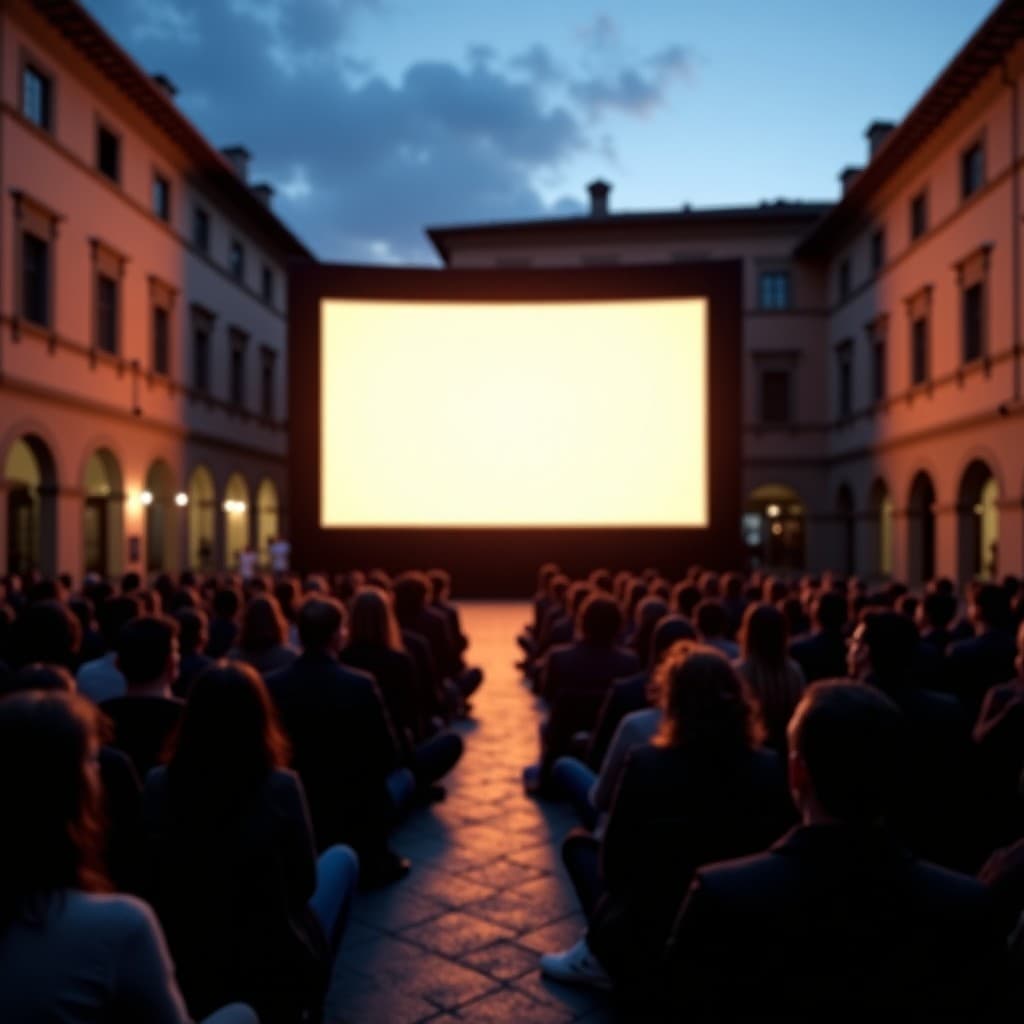
Bologna will host Il Cinema Ritrovato, a nine-day festival dedicated to restored, rediscovered and overlooked films, beginning Saturday. According to the Guardian's film coverage, the festival has evolved over four decades into an influential international gathering that attracts cinephiles and archivists from across the world. The event transforms the city into what the Guardian describes as an open-air museum of cinema, drawing audiences to screenings of works some dating back more than a century.
The festival's mission intersects with a broader cultural moment: as streaming platforms dominate how audiences discover cinema, Il Cinema Ritrovato operates as a counterweight, championing the restoration and theatrical exhibition of films that might otherwise remain inaccessible. The Guardian notes the festival's role in capturing the attention of a generation accustomed to algorithmic recommendations, positioning archival cinema as an alternative to the commercial logic of on-demand services.
The event reflects Italy's long investment in film preservation and restoration—a cultural economy that sits at the intersection of heritage conservation, tourism, and cinema as a public good. Bologna's status as a centre for film restoration has made it a natural home for such a festival, drawing international programmers and scholars who rely on the city's institutional expertise in recovering damaged or forgotten prints.
For the culture desk, Il Cinema Ritrovato represents a model of how Italian institutions engage with global audiences: not through blockbuster spectacle, but through curation, scholarship and the slow work of restoration. The festival's nine-day run will draw international press coverage that frames Italy's archives and restoration capacity as distinct cultural assets in an age when cinema history risks fragmentation across competing streaming catalogues.