
NATIONAL
Summer border chaos looms as EU's new entry system strains ferry ports and Trieste crossings
European tourism chiefs and port operators warn of long delays from biometric checks just as peak season arrives; Trieste faces pressure to manage Adriatic traffic.
Sergio Madrussan444 wordsEdition №13Friday, 12 June 2026 — Edition № 13
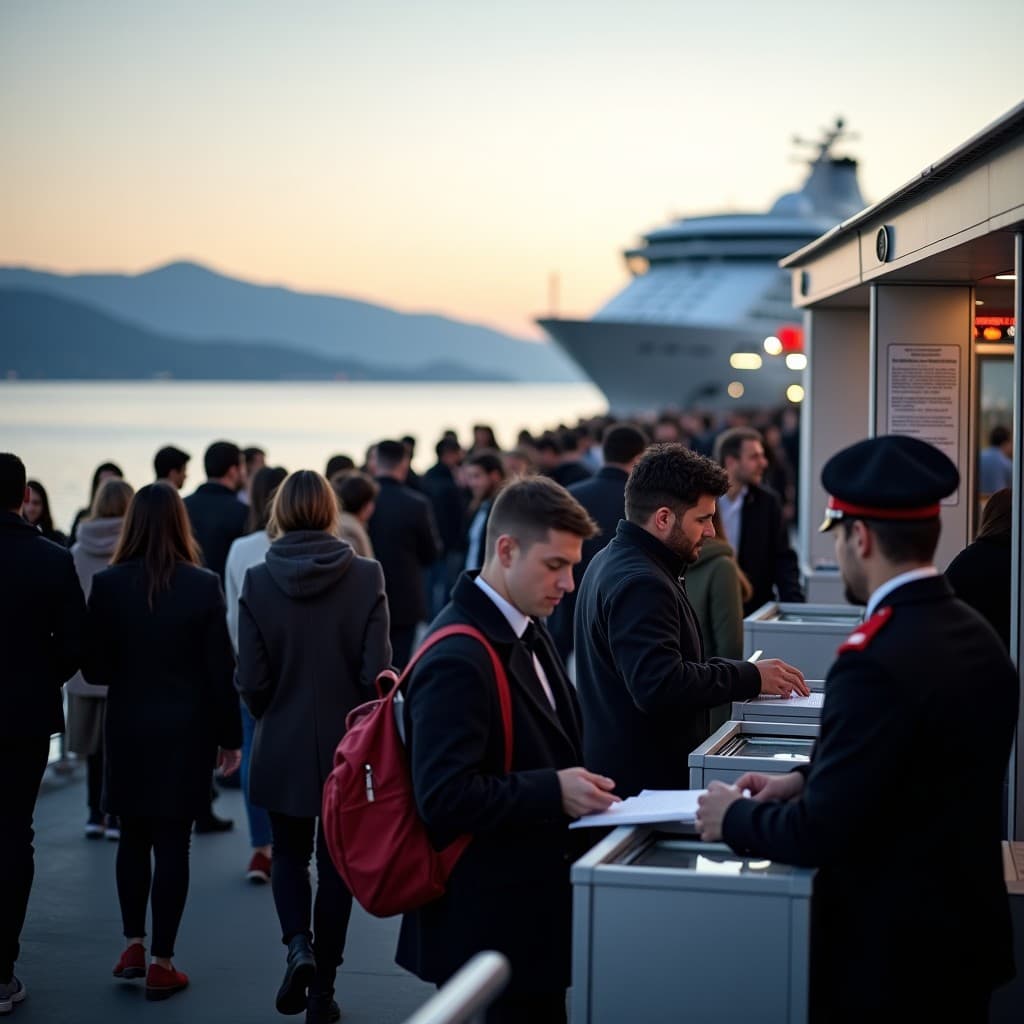
Tourism chiefs and European ferry port operators have raised urgent concerns about the EU's new Entry/Exit System (EES)—a biometric screening programme that came into effect this summer—warning that the system threatens to create bottlenecks at borders just as peak travel season begins, according to reporting by The Local Italy. The EES requires all non-EU visitors to be fingerprinted and have their faces scanned at entry points, a process that adds minutes to each crossing. For ferry ports in particular, the impact is acute: unlike airports, where processing can be staged, ferry terminals concentrate hundreds of passengers into short windows, creating cascading delays.
Trieste's role as a gateway for Adriatic traffic puts it directly in the line of fire. The port handles significant numbers of cruise passengers and ferry traffic from the Balkans, Turkey, and Greece, many of them non-EU nationals. The new biometric requirements will slow processing at the city's passenger terminals, potentially creating visible congestion during the summer months when tourism peaks. The Local Italy reported that European ferry ports have collectively warned of the system's impact, and global tourism bodies have said that travellers from around the world are being deterred by the prospect of long delays. For a region already dependent on tourism revenue and cross-border trade, the EES represents a visible test of Italy's border management capacity.
The EES is part of a broader EU effort to strengthen external border security and track visitor movements, but its implementation has been chaotic. Italy initially faced pressure to pause the system over summer to avoid tourism disruption, but as The Local Italy's fact-check reported, the Italian government has not committed to a formal suspension. Instead, authorities have suggested ad-hoc measures to manage congestion, such as opening additional screening lanes and deploying extra staff during peak hours. For Trieste, this means the burden falls on the port authority and regional border police to absorb the shock of the new system.
The timing is particularly awkward for Friuli-Venezia Giulia. The region has been working to rebuild its tourism sector after the pandemic, and the summer of 2026 is seen as a critical window for recovery. Long border queues at Trieste's passenger terminals could discourage cruise lines from calling at the port and redirect visitors to alternatives in Croatia or Slovenia. The regional government has begun coordinating with the Italian Interior Ministry to ensure sufficient staffing and infrastructure at the port, but the underlying problem—that the EES adds significant processing time—remains. The system will likely persist, meaning Trieste's competitive position may depend on how effectively it manages the bottleneck relative to rival ports.