
REGIONAL
Austrian blockade exposes Alpine transit strain
Protesters shut the Brenner Pass corridor; Valle d'Aosta watches cross-border traffic reroute through mountain passes
Camille Bréan1,247 wordsEdition №5Friday, 5 June 2026 — Edition № 5
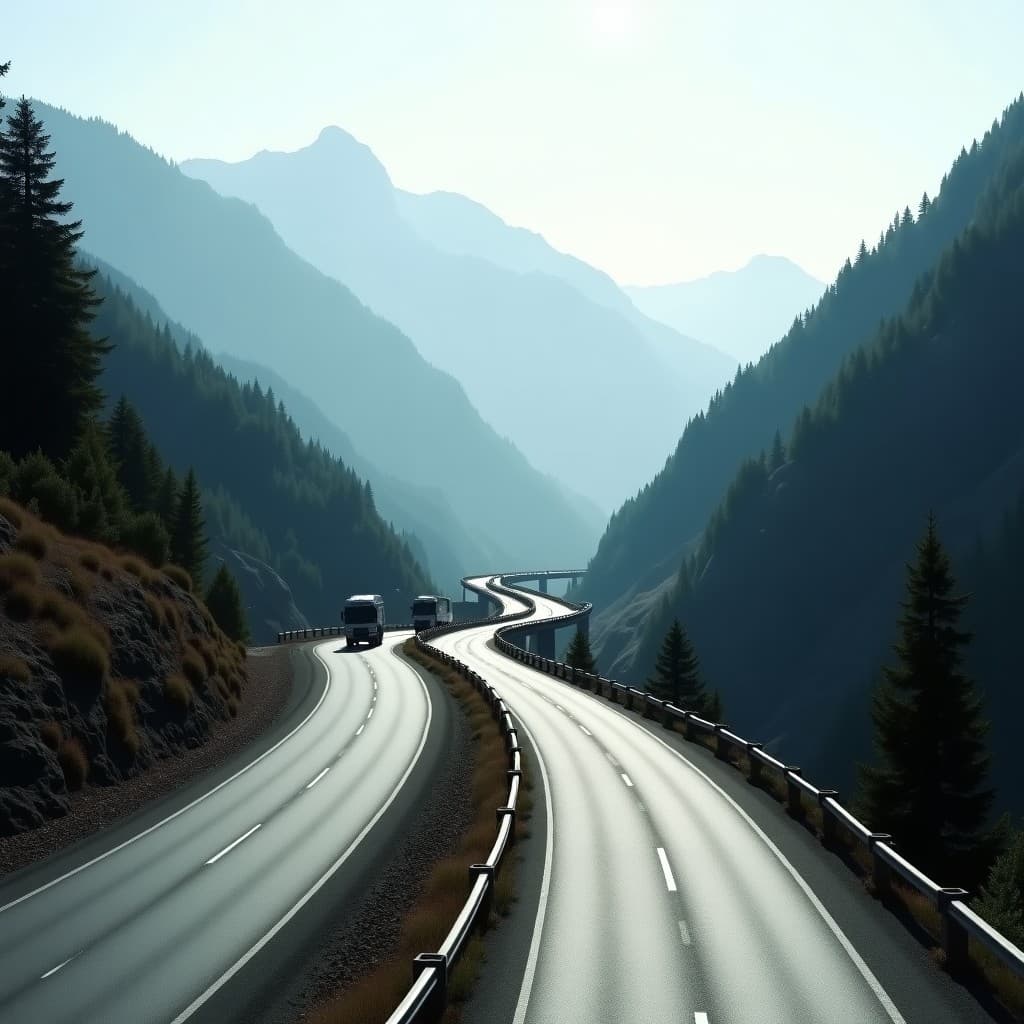
On May 30, Austrian protesters shut the Brenner motorway near Matrei, blocking one of Europe's busiest cross-border routes between Germany and Italy. According to Reuters, the action targeted what demonstrators describe as growing traffic congestion on the corridor. The closure disrupted a supply chain that moves goods, fuel, and tourists through the Alps daily—a route that Valle d'Aosta depends on for its own cross-border commerce and energy trade.
The Brenner Pass sits roughly 100 kilometres east of the Mont Blanc tunnel, the other major Alpine gateway that connects the Aosta Valley to France. When one corridor closes, traffic pressure shifts to alternatives. For a region whose economy rests partly on hydroelectric exports, cross-border fuel shipments, and the steady flow of European visitors to its ski resorts and mountain trails, such blockades expose the precariousness of Alpine infrastructure.
The Austrian protest reflects a wider European tension: Alpine communities on both sides of the mountains face mounting heavy-vehicle traffic, noise, and air pollution from transit routes that serve distant markets. The Brenner corridor carries roughly 2,000 lorries daily in normal conditions, according to reporting on the route. Valle d'Aosta's own Mont Blanc tunnel, which connects Italy to France, handles similar volumes and faces identical pressure from environmental groups and local residents who argue that Alpine valleys should not bear the pollution cost of continental trade.
The Brenner blockade is not the first such action. Austrian and Italian Alpine communities have staged repeated protests against transit traffic over the past two decades, citing air quality, noise, and the cumulative wear on mountain infrastructure. The Austrian government has long proposed a truck toll system to discourage heavy traffic through the Alps, but implementation has been slow and contested by logistics companies and southern European nations that rely on the corridor.
For Valle d'Aosta, the Brenner closure carries immediate practical consequences. The region's dairy industry, which exports cheese and butter across Europe, depends on reliable cross-border logistics. The valley's hydroelectric power stations export electricity northward through Italian and Austrian grids; any disruption to the transport network can affect the movement of maintenance crews and spare parts. Tourism operators watching the blockade would have noted that any sustained closure of major Alpine passes could redirect visitor flows—potentially benefiting or harming the valley depending on which routes absorb the traffic.
The Mont Blanc tunnel, which opened in 1965 and carries roughly 1.2 million vehicles annually according to European transport data, faces similar environmental pressure. French and Italian authorities have discussed capacity limits and truck restrictions, but the political will to enforce them remains weak. A closure of the Brenner Pass, even briefly, demonstrates to Valle d'Aosta's regional government the vulnerability of relying on a single major gateway to the north.
Austrian environmental groups have argued that the European Union should invest more heavily in rail freight to reduce lorry traffic through the Alps. The Brenner Base Tunnel, a rail project under construction since 2007, is designed to shift some transit cargo from road to rail. When complete, it could reduce truck volumes on the motorway by an estimated 30 per cent, though the project has faced repeated delays and cost overruns. Valle d'Aosta has watched similar rail initiatives stall; the Lyon-Turin Base Tunnel, which would connect the Aosta Valley more directly to France by rail, remains incomplete after decades of planning.
The protest also reflects a broader Alpine identity. Communities on both sides of the mountains—Austrian, Italian, French, Swiss—increasingly view themselves as stewards of a shared ecosystem under pressure from external economic forces. The Austrian demonstrators' framing of the issue as one of local burden for continental benefit resonates with arguments made by Valle d'Aosta's own environmental and autonomy movements, which contend that the region should have greater say over how its mountain passes are used.
Valle d'Aosta's special autonomy status gives it more legislative power than most Italian regions, but cross-border transport policy is largely set at the national and EU level. The region's government has limited ability to impose restrictions on the Mont Blanc tunnel or to negotiate independently with France on traffic volumes. The Brenner blockade illustrates the gap between local environmental concerns and the continental logistics system that overrides them.
The timing of the Austrian action is significant. Late May marks the beginning of the Alpine summer season, when tourist traffic peaks and heavy vehicles compete with holiday traffic for road space. A closure at that moment creates maximum disruption and visibility. Valle d'Aosta's own tourist season—hiking, climbing, and mountain biking—follows the same calendar. Any sustained disruption to the Mont Blanc corridor during summer months would immediately affect hotel bookings and visitor numbers.
The Austrian government has not announced plans to restrict the Brenner motorway permanently, and the May 30 closure was a protest action rather than official policy. However, Reuters reported that the blockade succeeded in drawing international attention to the traffic issue. For Valle d'Aosta, the episode serves as a reminder that Alpine transit infrastructure is subject to political pressure from communities on both sides of the mountains, and that any major change to one corridor's capacity or restrictions could reshape traffic patterns across the entire Alpine region.
The broader context is the EU's climate commitments. The European Green Deal calls for a significant shift of freight from road to rail by 2050. Austria and Italy have both committed to reducing transport emissions. These goals align with the environmental concerns of Alpine communities, but they require investment in rail infrastructure and coordinated policy across borders—precisely the kind of long-term, multinational effort that has proven difficult to sustain.
For Valle d'Aosta's regional planners, the Brenner blockade offers both a warning and an opportunity. A warning: that transit routes can be disrupted by protest, accident, or policy change, and that the region's economy should not depend entirely on uninterrupted cross-border access. An opportunity: to advocate for the kind of Alpine-wide transport policy that prioritizes local environmental and social concerns alongside continental logistics needs. The region's government has historically positioned itself as a bridge between Italy, France, and the wider Alpine community. The Austrian protest suggests that role could be more active and more urgent than ever.