
FRIULI-VENEZIA GIULIA
Austrian protesters block Brenner Pass, halting transit to Italy
Central Europe's busiest Alpine crossing shut as Vienna escalates pressure over truck traffic and emissions
Sergio Madrussan1,247 wordsEdition №5Friday, 5 June 2026 — Edition № 5
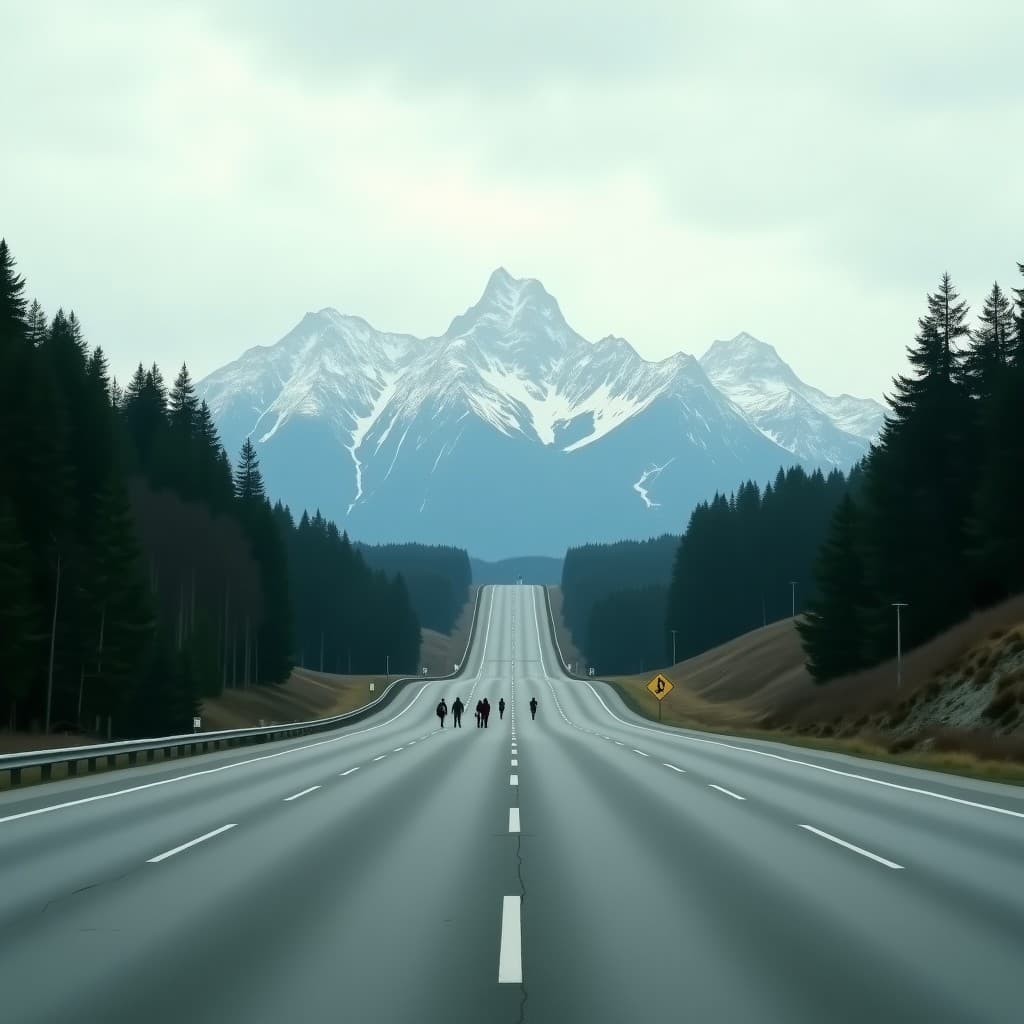
Austrian protesters shut the Brenner motorway on May 30, blocking the most heavily trafficked Alpine crossing between Germany and Italy. Reuters reported that demonstrators walked onto the closed motorway near Matrei, Austria, to protest what they described as a growing traffic load on the corridor. The blockade, though temporary, exposed fractures in Central European transport policy as Vienna faces pressure from environmental groups demanding curbs on truck transit.
The Brenner Pass carries roughly 2,000 trucks daily in each direction, making it the primary land bridge between the German industrial heartland and the Italian Adriatic ports. For Trieste and the broader Friuli-Venezia Giulia region, the corridor's fluidity is essential: the port depends on seamless Alpine transit to distribute goods northward into Central Europe and to receive imports destined for the Mediterranean. Any sustained closure threatens the supply chains that anchor the region's logistics economy.
Austria has long resisted the volume of transit traffic crossing its territory. Vienna has pursued a mix of tolls, truck bans during night hours, and environmental levies to discourage heavy vehicles. The latest protest signals that grassroots pressure is mounting alongside official policy. If Austria moves toward stricter restrictions—or if similar blockades recur—the cost and delay for Italian exporters and importers could be substantial, potentially redirecting traffic toward longer, costlier routes through France or the Balkans.
The Brenner motorway closure came as Austria grapples with the environmental and congestion costs of being a transit corridor for Northern European trade. According to Reuters, the protesters were objecting to what they characterised as unsustainable truck volumes on the route. Austria's government has pursued a policy of modal shift—encouraging rail freight over road—but enforcement remains incomplete and truck traffic continues to rise.
The crossing sits at the intersection of three major trade blocs: the German-speaking economies to the north, the Italian peninsula and Mediterranean ports to the south, and the Balkan and Central European hinterland to the east. For Trieste, which competes with Hamburg, Rotterdam, and other Northern European ports for Central European import-export traffic, the Brenner's efficiency is a competitive asset. Delays or tolls at the pass increase the cost advantage of northern ports and can shift cargo flows away from Italy.
Trieste's port authority and the regional government have historically lobbied for Alpine corridor improvements and against restrictive Austrian policies. The port handled roughly 4.3 million containers in 2025, with a significant share destined for or originating in Germany, Austria, and Central Europe. A sustained Brenner slowdown would pressure those volumes and the trucking firms that depend on rapid turnaround times.
Austria's environmental concerns are not without merit. The Alps face erosion, air pollution, and noise from heavy transit traffic. But the political economy of the corridor creates a standoff: Austria wants fewer trucks; Germany and Italy want unimpeded transit; and environmental groups see blockades as the only tool that forces the issue into public view. The protesters' action on May 30 was a reminder that this tension remains unresolved.
The blockade also reflects broader Alpine geopolitics. Switzerland, another transit country, has imposed strict truck limits and high tolls, effectively pricing out the heaviest vehicles and pushing traffic toward Austria and Italy. If Austria follows suit with harder restrictions, the burden shifts to Italy and the Balkans—routes that are less developed and more politically volatile. Trieste and the Friuli-Venezia Giulia region would face pressure to absorb more traffic on secondary roads or to compete harder for rail freight.
The European Union has sought to harmonise transit policies across the Alps, promoting the Brenner Base Tunnel—a 64-kilometre rail link under construction since 1999, intended to shift freight from road to rail. The project is years behind schedule and over budget. Until it opens, trucks remain the dominant mode, and the Brenner motorway remains the critical choke point. The May 30 blockade underscores the urgency of completing the tunnel and the political risk of relying on road transit through a country increasingly hostile to it.
For Italian policymakers, the protest also signals a shift in Austrian politics. Environmental parties have gained ground in Austrian elections, and truck restrictions have become a vote-winning issue. Any Italian government seeking to maintain smooth Brenner transit will need to engage with Vienna's environmental agenda—perhaps by investing in cleaner logistics, supporting rail freight, or accepting higher tolls as the price of passage.
The blockade was resolved within hours, but the underlying conflict remains. Reuters did not report any agreement between Austrian authorities and the protesters, suggesting that the action was a one-off demonstration rather than the start of a sustained campaign. However, the ease with which a few hundred activists could shut a motorway of continental importance demonstrates the vulnerability of the corridor to disruption.
For Trieste's shipping and logistics sectors, the May 30 event is a warning. The port's competitive position depends not only on its own infrastructure but on the reliability of the hinterland connections that feed it. A Brenner corridor under pressure from environmental activism, Austrian policy, or both could erode Trieste's advantage over northern competitors and force the region to invest in alternative routes—toward the Balkans, toward rail, or toward shorter-haul Mediterranean trade.
The protest also reflects a wider European tension between climate policy and trade. The EU has committed to reducing transport emissions, but it has not yet found a way to do so without raising costs for traders and consumers. The Brenner blockade is a visible expression of that tension: environmental activists using direct action to force the issue, while the logistics industry and port operators watch nervously for signs of disruption.
Looking ahead, the Brenner Pass will likely remain contested. Austria will continue to push for restrictions; Germany and Italy will resist; and environmental groups will use blockades and other tactics to keep the issue in the spotlight. For Trieste and the Friuli-Venezia Giulia region, the outcome will shape the economics of the port and the viability of Central European trade flows for years to come.