
VENETO
Stadler's new freight locomotive begins Alpine runs; Veneto at hub of Brenner corridor
Euro9000 engine signals shift in cross-border rail capacity as European freight modernizes
Tommaso Veronese384 wordsEdition №27Friday, 26 June 2026 — Edition № 27
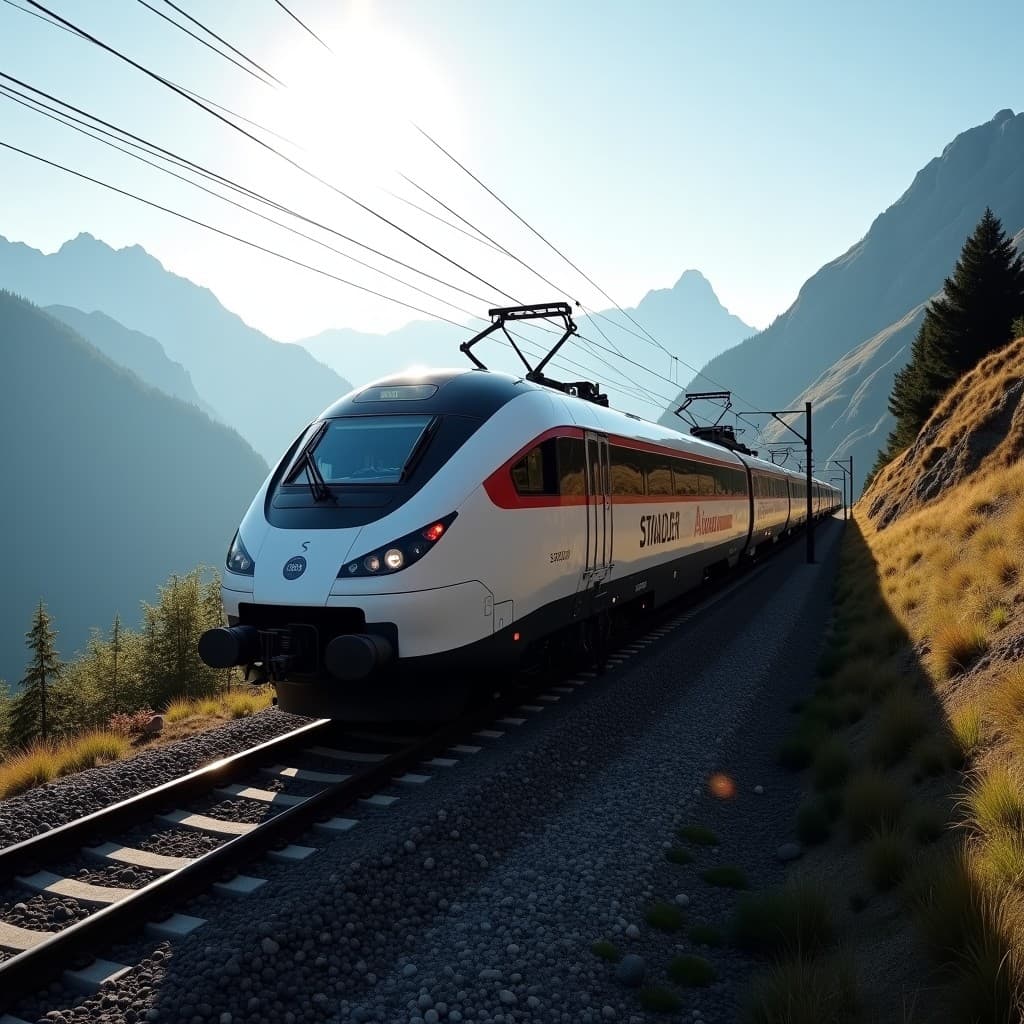
Stadler's Euro9000 locomotive has commenced its first commercial runs in Italy, with a unit operated by European Loc Pool (ELP) inaugurating the service on the Verona–Brenner Pass route, according to RailFreight.com. The locomotive represents a modernization of freight capacity on one of Europe's most critical Alpine corridors, the Brenner axis, which connects Italy's Po Valley manufacturing heartland to the German and Austrian markets. The significance of the route to Veneto's export economy—which relies on rail freight to move textiles, machinery, and manufactured goods northward—makes the Euro9000's arrival a signal of renewed investment in cross-border logistics.
ELP told RailFreight.com that the Euro9000's entry into Italian service is "necessary for the Brenner axis," suggesting that existing locomotive stock had become a bottleneck for freight operators seeking to move goods efficiently across the Alps. The Brenner corridor has long been a flashpoint in European transport policy, with environmental groups and Alpine communities pressing for rail-based freight alternatives to truck traffic. The deployment of modern, more efficient locomotives aligns with EU directives aimed at shifting freight from road to rail, though the pace of that transition remains contested.
For the Veneto region, the route's importance cannot be overstated. The northeastern export districts—eyewear manufacturers in Belluno, textile firms in Treviso, machinery makers across the region—depend on efficient rail corridors to reach German and Central European markets. Road congestion and environmental restrictions on truck traffic in Alpine valleys have made rail freight increasingly valuable to Veneto's small and medium enterprises. The Euro9000's arrival suggests that private rail operators and leasing companies see profitable demand for capacity on the Brenner route.
The locomotive's deployment also reflects broader European efforts to decarbonize freight transport. Modern electric and hybrid locomotives reduce emissions per ton-kilometer compared to aging stock, a metric that EU policy now incentivizes through corridor investments and operational subsidies. Whether the Euro9000 deployment will expand to other Alpine routes—such as the Mont-Blanc and San Gotthard corridors—remains to be seen, but the Brenner axis, as the most heavily trafficked Alpine rail freight route, is typically the proving ground for new technologies.