
CALABRIA
Ancient grape DNA rewrites Southern Italy's agricultural past
Tuscan vineyard study opens questions about Calabria's own classical heritage and crop diversity
Saverio Gallo428 wordsEdition №16Monday, 15 June 2026 — Edition № 16
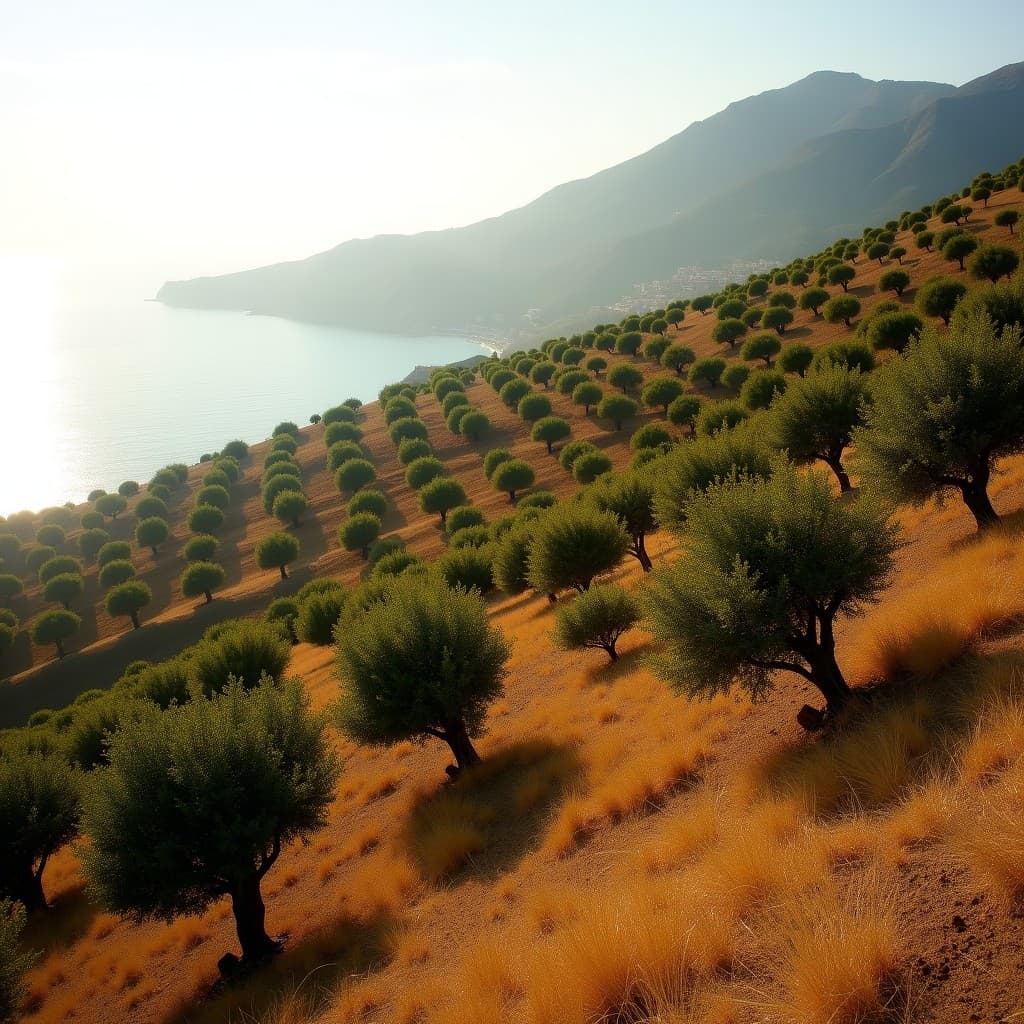
Scientists studying DNA extracted from ancient grape seeds found in Tuscan wells have reconstructed the genetic history of vines cultivated two millennia ago, according to the Guardian. The research reveals that modern winemaking descends directly from Roman-era vineyards, and that Chianti's celebrated red varieties once produced white grapes. The findings anchor Italy's wine tradition firmly to classical antiquity and offer a model for understanding how crops evolved across the Mediterranean.
For Calabria, the discovery invites a parallel question: what genetic record lies in the region's own agricultural past. Calabria's citrus and bergamot crops, now central to the regional economy, carry their own histories of cultivation and selection across centuries of Greek, Arab, and Norman rule. Yet unlike Tuscany's wine heritage, which commands international scholarly attention and tourism revenue, Calabria's agricultural genetics remain largely unstudied by the foreign research establishment.
The Tuscan study demonstrates that ancient seeds and pollen can yield detailed maps of crop domestication and trade. The Guardian reported that researchers recovered enough DNA to trace how Roman growers selected and hybridised vines, knowledge that shaped viticulture across Europe for nearly two thousand years. The work signals growing interest among international scholars in using genetic archaeology to understand how classical Mediterranean agriculture shaped the present.
Calabria's position as a crossroads of Magna Graecia, Byzantine rule, and Arab settlement makes it a natural site for similar investigation. The region's bergamot production, now globally recognised and protected by denomination of origin, has roots in medieval Arab cultivation and medieval Norman grafting. Yet no comparable international genetic study has mapped the origin and evolution of Calabrian citrus varieties or traced how local crops were selected and propagated across generations.
The absence of such research reflects a broader pattern: Calabria's agricultural wealth is often reduced to a commodity story—production volumes, export prices, pest pressures—rather than understood as a living inheritance of classical and medieval knowledge. An international genetic archaeology of Calabrian crops would not only anchor the region's present agriculture to its historical depth but also offer global markets a richer narrative than price alone. For now, Tuscany's vineyard DNA commands the foreign press; Calabria's citrus genetics remain in the ground.