
CALABRIA
Calabria's citrus fields bake as heatwave tests southern agriculture
Record temperatures strain labour, irrigation and crop survival across region's core export economy
Saverio Gallo548 wordsEdition №28Saturday, 27 June 2026 — Edition № 28
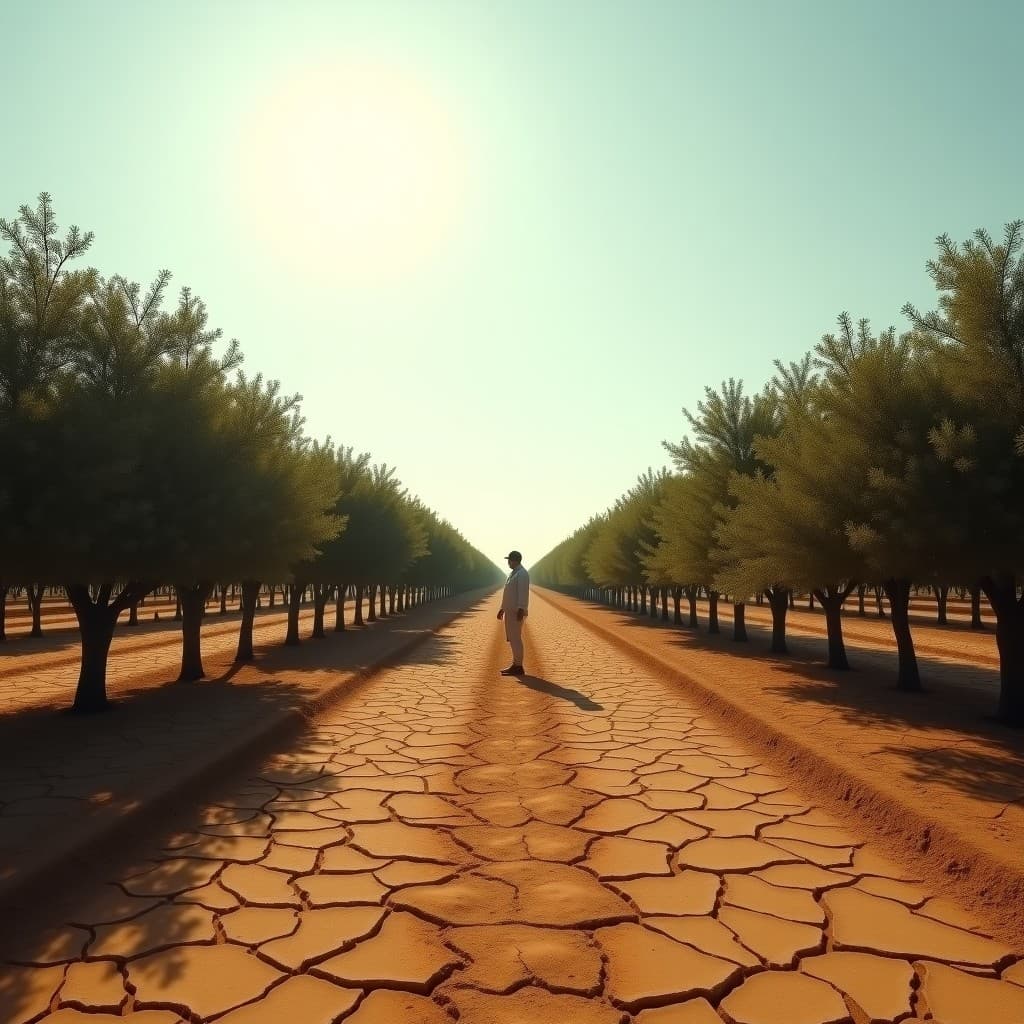
The record heatwave gripping Europe has reached Calabria's fields with particular force. The Local Italy reported Friday that migrant farm workers in southern Italy's Puglia region were wilting in sprawling shanty towns, with no escape from the heat between sun-scorched fields and corrugated iron shelters. The same conditions are unfolding across Calabria's citrus belt, where temperatures are climbing toward their seasonal peak and where the region's labour force—largely migrant and informal—faces exposure without adequate shelter or cooling.
Calabria's agricultural economy rests on citrus and bergamot exports that depend on seasonal labour during the harvest months. The heatwave arrives as the region already grapples with chronic water stress and aging irrigation infrastructure. The Local Italy reported Friday that climate change is "unequivocally" responsible for the intensity of the record-breaking heat, while experts warn that the economic costs will be measured in lost productivity and slowed growth. For Calabria, where agriculture accounts for a substantial share of rural employment and export value, the convergence of extreme heat, labour scarcity and water constraints threatens not only this season's yield but the viability of farming itself in the region.
The heat also compounds a structural vulnerability: Calabria's agricultural sector relies on migrant workers whose legal status, housing and access to basic services remain precarious. As temperatures soar, the absence of adequate shade, hydration and rest facilities in the fields and in workers' accommodations becomes a matter of survival, not comfort. The region's authorities have issued heat alerts, but enforcement of labour protections in informal agricultural settings remains weak. What emerges is a crisis not merely of climate, but of how Calabria's economy is organized around the exploitation of vulnerable labour in conditions that extreme heat now renders dangerous.
The Local Italy reported Friday that electricity demand triggered by air-conditioning and cooling has caused blackouts across Italian cities, with grid operators warning of further disruption as the heatwave reaches its peak. Calabria, with its limited industrial base and older electrical grid, is particularly vulnerable to such cascades. Rolling blackouts would compound the crisis for irrigated agriculture, which depends on pumps to move water from depleted aquifers to parched fields.
The Guardian's live coverage of the European heatwave noted that France recorded its hottest day since measurements began in 1947, with temperatures reaching 40 degrees Celsius in parts of the country. Spain and Italy have been hardest hit. The heatwave is not a temporary anomaly but a symptom of human-caused climate change, according to scientists cited by The Local Italy. For Calabria, a region already marked by water scarcity and climate stress, the implications are structural: the crops that sustain rural employment and export revenue may become uneconomical to grow.