
CALABRIA
Ten Dead Off Malta as Mediterranean Route Claims More Lives
Italian coast guard recovers bodies after vessel capsizes; Calabria's reception system braces for survivors and renewed pressure.
Saverio Gallo1,247 wordsEdition №10Wednesday, 10 June 2026 — Edition № 10
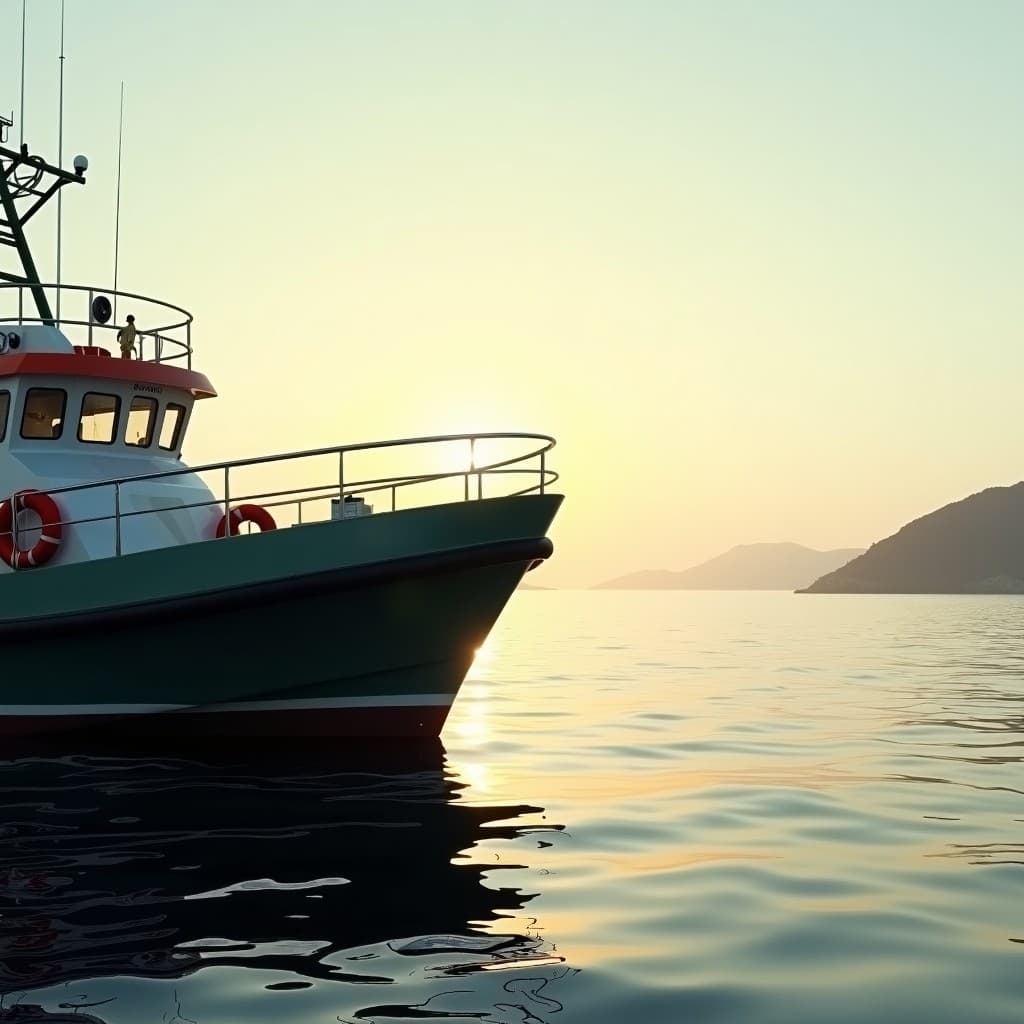
A patrol boat recovered the bodies of 10 people after a fishing vessel rescued 48 migrants from a craft that capsized in waters off Malta, Italy's coast guard said on Sunday. The vessel, which had departed from the Libyan coast, had set out carrying about 60 people, according to authorities. The incident occurred approximately 45 nautical miles east-southeast of Malta, in international waters that fall within Italy's search-and-rescue zone.
The recovery operation unfolded over several hours as Italian and Maltese authorities coordinated the response. A commercial fishing vessel reached the scene first and pulled survivors from the water before the Italian coast guard arrived to retrieve bodies and transport the living to port. The BBC and the Guardian both reported the incident as part of a broader pattern of Mediterranean crossings that have intensified as summer approaches.
For Calabria, the arrival of 48 survivors marks another test of a reception system already strained by arrivals and departures. The region's ports, particularly Gioia Tauro, serve as primary landing points for people rescued in the central Mediterranean. Local authorities must now process, house, and document nearly 50 people while managing the logistics of identification and eventual transfer or asylum processing.
The capsizing near Malta represents the latest in a series of Mediterranean disasters that have claimed hundreds of lives in recent years. According to the Guardian's reporting, the vessel departed from Libya—a common launching point for crossings to Europe—with passengers who faced deteriorating conditions as they moved into deeper waters. The exact cause of the capsizing remains unclear, though overcrowding and unseaworthy vessels are recurring factors in such incidents.
Italy's coast guard has expanded its presence in the central Mediterranean, particularly in the waters south of Sicily and east of Malta, where most crossings occur. The BBC noted that the Italian coastguard said Malta had requested help with the rescue operation, illustrating the coordination required when incidents occur in contested maritime zones. Italy's search-and-rescue responsibilities extend across a vast area, and summer months typically see a surge in crossing attempts as weather conditions improve.
Calabria's role in this system is both geographic and administrative. The region's Ionian and Tyrrhenian coasts face Libya and Tunisia directly, making it the first landfall for many boats. The port of Reggio Calabria and smaller coastal towns have become de facto reception hubs, with migrants typically arriving exhausted, traumatized, and in need of immediate medical care. The region's hospitals and social services have grown accustomed to managing these arrivals, though capacity remains a persistent concern.
The survivors from this incident will likely be transported to Calabrian ports for initial processing. Italian authorities conduct health screenings, register arrivals with the national database, and begin the asylum application process. For many, Calabria is merely a waypoint; they seek to travel north to relatives or established migrant communities in northern Europe. Others remain in the South, either because their asylum claims are rejected or because they lack resources to move on.
The incident also underscores the vulnerability of migrants to exploitation before they even reach the sea. According to NBC News, the broader context of migrant abuse in Italy extends beyond the Mediterranean crossing itself. Human smuggling networks operate across North Africa and the Middle East, charging thousands of euros per person for passage on vessels that are often unseaworthy. Families sell land or take on debt to pay these fees, betting their survival on routes with no guarantee of success.
Calabria has witnessed the human cost of these journeys for decades. The region's coastline is dotted with memorials to people who drowned attempting the crossing. Local NGOs and religious organizations have long documented arrivals, providing medical care and legal assistance to survivors. The Riace model—a small Calabrian municipality that became known internationally for welcoming migrants and integrating them into the local economy—represents one attempt to move beyond the reception-center paradigm, though it remains exceptional rather than systemic.
The timing of this incident, in early June, signals the beginning of the summer season when crossing attempts typically peak. Weather conditions improve, and smuggling networks intensify their operations, knowing that more people will attempt the journey. Italian authorities have warned of increased activity in the coming months, and Calabrian ports are preparing for sustained pressure on their facilities and staff.
The 48 survivors rescued in this incident will require trauma counseling, legal representation, and information about their rights under Italian and EU asylum law. Many will have experienced violence or coercion during their journey. Some may have been robbed or assaulted by smugglers. The psychological toll of witnessing the deaths of fellow passengers—10 people who did not survive the crossing—will weigh on survivors for years.
International attention to Mediterranean deaths has fluctuated over time, but the Guardian and BBC continue to document each incident as part of a larger accountability record. Foreign media outlets treat these events not as isolated tragedies but as symptoms of a migration system under stress. The question of responsibility—whether it lies with smugglers, with European border policies, with Libya's instability, or with all three—remains contested in international coverage.
For Calabria, the arrival of survivors also brings economic and social consequences. The region's already-stretched municipal budgets must absorb costs associated with housing, feeding, and providing medical care to migrants. Some towns have received EU funding for reception services, but the amounts rarely match actual expenditures. Local businesses sometimes benefit from contracts to provide services, but communities also experience tensions when resources are perceived as scarce.
The incident near Malta also reflects broader geopolitical dynamics in the Mediterranean. Libya remains unstable, with competing governments and militias controlling different regions. Tunisia faces its own economic crisis, pushing more people toward the sea. Syria's civil war, Afghanistan's Taliban takeover, and instability in the Horn of Africa continue to drive migration pressure. These root causes remain largely beyond Italy's control, even as the country bears the immediate burden of rescue and reception.
Calabria's position as a frontline region means its experience of migration differs markedly from northern Italy or other European countries. The region does not have the option of refusing arrivals; geography dictates that people rescued in the central Mediterranean will land on Calabrian shores. This reality shapes local politics, public opinion, and resource allocation in ways that are often invisible to international observers focused on national-level policy debates.
Looking ahead, the summer season will likely bring more incidents similar to the capsizing near Malta. Italian authorities are preparing for sustained operations, and Calabrian communities are bracing for the arrivals that will follow. The question of how to balance humanitarian obligations with resource constraints remains unresolved, and each incident adds urgency to debates about burden-sharing within the European Union and about addressing the root causes that drive people to risk their lives at sea.