
CAMPANIA
Europe's brutal heatwave tests Campania's summer tourism surge
As temperatures near 40°C, the region braces for strain on visitors and services amid southern Italy's tourism boom
Rosaria Esposito527 wordsEdition №23Monday, 22 June 2026 — Edition № 23
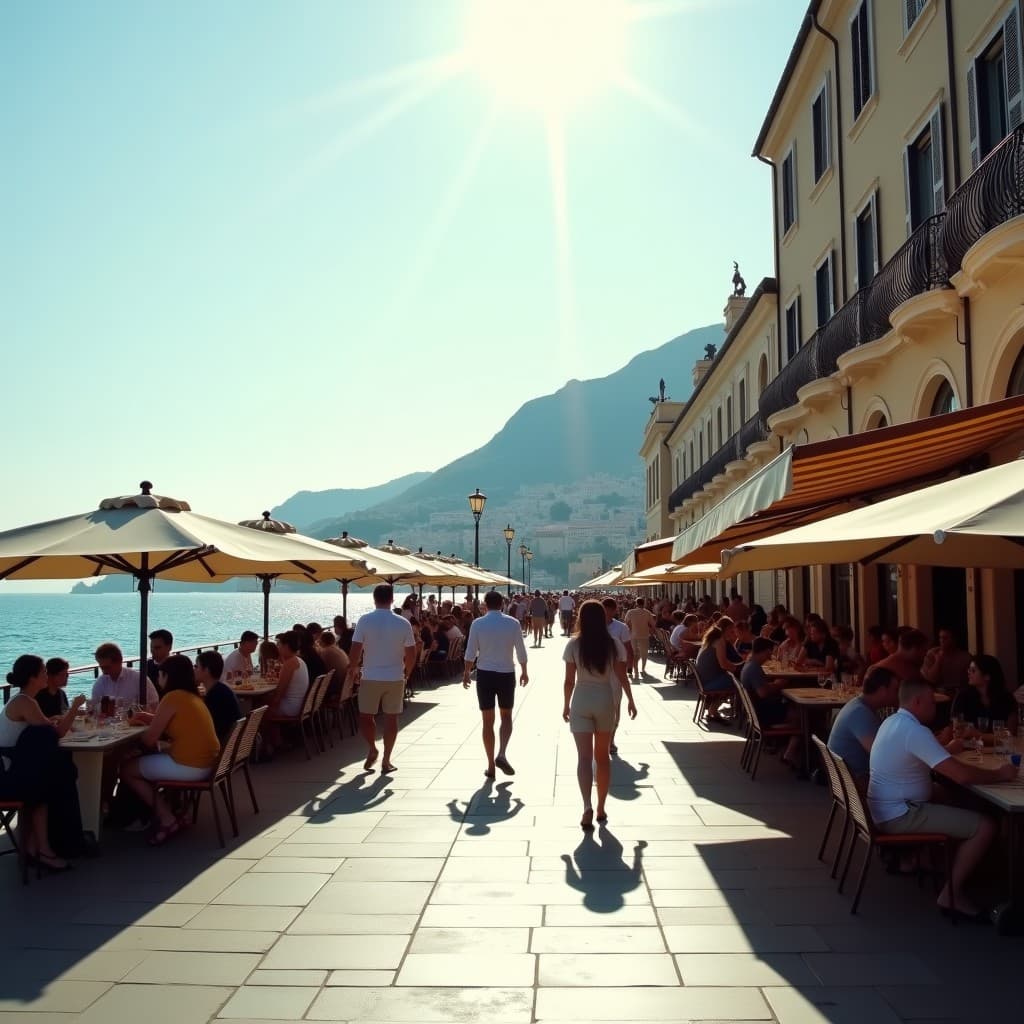
Europe is sweltering under a gruelling heatwave, with temperatures expected to reach 42°C in parts of France and similar extremes across the continent, according to France 24. Italy faces the same pressure. Campania, home to Naples, Pompeii and the Amalfi Coast, sits at the centre of southern Europe's tourism boom—a region that has seen foreign visitor numbers climb steadily in recent years as international travel has rebounded. The convergence of peak summer tourism and extreme heat creates a test of the region's infrastructure and services.
The Guardian and France 24 reported that authorities across Europe are responding with emergency measures: France has cancelled outdoor sports events, restricted alcohol consumption at festivals, and placed a third of the country under red heat alerts. The scale of the heatwave—affecting multiple nations simultaneously—signals the kind of pressure that will cascade through tourist destinations. Campania's summer economy depends on visitors to its archaeological sites, coastal resorts and urban attractions. Hotels, transport systems and public services designed for normal seasonal demand now face the added strain of managing crowds during dangerous heat.
The region's tourism sector has expanded rapidly. Travel booking platforms have added new rail and concierge services to the Campania portfolio in recent weeks, betting on sustained visitor growth. Yet extreme heat tests those systems: longer queues at airports and transport hubs, as the New York Post noted this week, already frustrate travellers during normal conditions. Heat compounds the problem. Medical emergencies rise, water consumption spikes, and the elderly and vulnerable—both residents and visitors—face real risk. For Naples and the coast, the challenge is balancing the economic gains of tourism with the physical reality of managing crowds in dangerous conditions.
Campania's tourism renaissance, celebrated in international coverage as a revival of southern Italy's fortunes, now confronts a harder test. The region has marketed itself aggressively to foreign visitors: Pompeii draws hundreds of thousands annually; Naples has shed its crime-focused reputation in favour of coverage emphasising street culture and food; the Amalfi Coast remains a luxury destination. That growth is real. Yet tourism revenue depends on infrastructure—water, electricity, cooling, medical capacity—built for a different climate.
The heatwave is not a one-off. France 24 reported that Europe faces a pattern of extreme heat events. Campania, with its Mediterranean climate, already experiences hot summers. Rising temperatures push those summers toward the uninhabitable. The region's informal economy, which employs a significant portion of workers, offers little protection: outdoor vendors, street guides, transport workers and service staff labour in direct heat with limited recourse. Residents accustomed to the climate have strategies—siesta, evening life, seasonal rhythms. Tourists do not.
The question for Campania's authorities is whether the region's tourism infrastructure—hotels, restaurants, public transport, medical services—can absorb the dual pressure of record visitor numbers and extreme heat without breaking. International travel platforms are betting yes, expanding their offerings. But the wire offers no evidence that Campania's government has announced emergency protocols, cooling centres, or heat-related service adjustments. The region faces a summer of testing that answer.