
LIGURIA
Ship maintenance failures raise alarm for Mediterranean operators
Indian inquiry into MSC Elsa 3 loss cites structural issues and crew training gaps—concerns echo across European fleets
Marina Doria442 wordsEdition №15Sunday, 14 June 2026 — Edition № 15
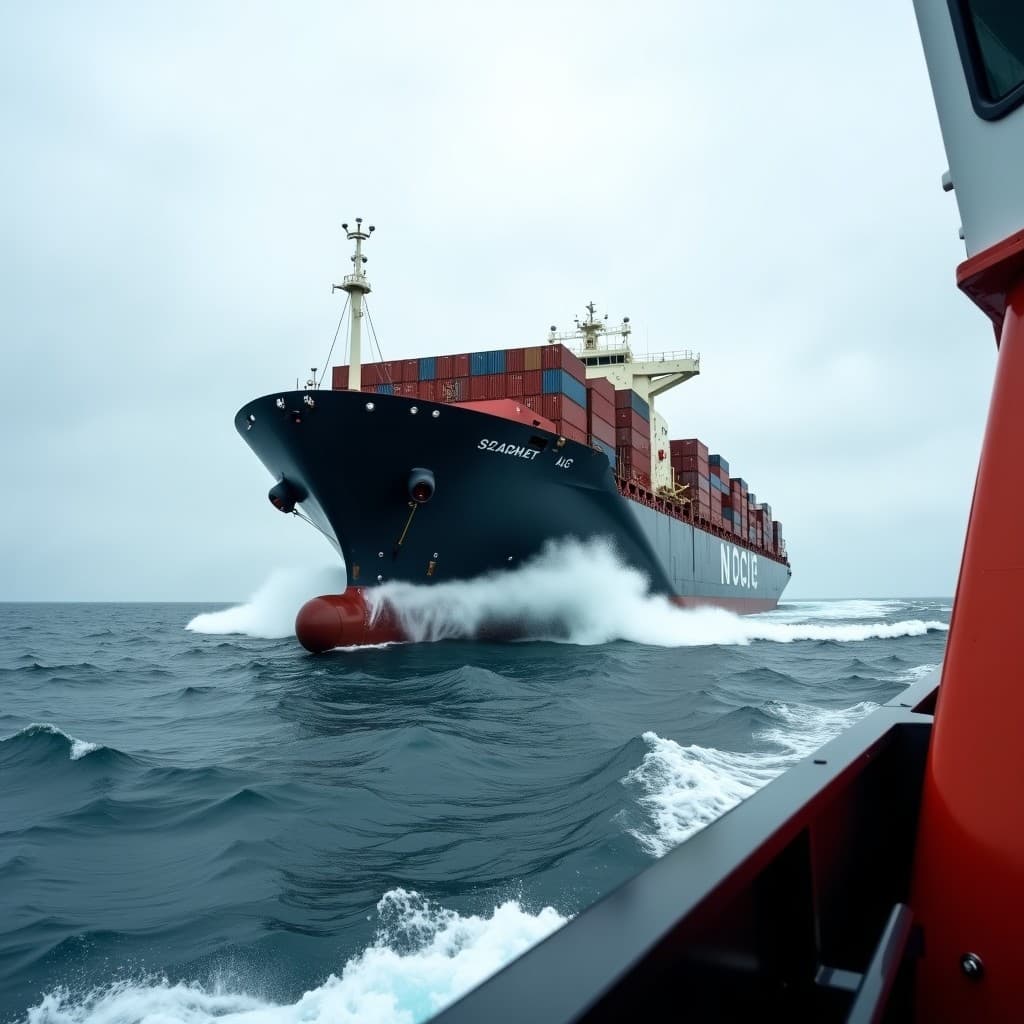
India's Directorate General of Shipping has filed a preliminary report into the loss of the MSC Elsa 3 containership, according to The Maritime Executive, citing mechanical failures, maintenance deficiencies, structural issues, and insufficient crew training as contributing causes. The vessel sank off India's coast a year ago. The filing came before the Kerala High Court and represents one of the most detailed official accounts of what went wrong aboard a modern container carrier—a class of vessel that dominates traffic through ports like Genoa.
The report's emphasis on maintenance and training failures carries particular weight for Mediterranean operators. Container ships of the MSC Elsa 3's generation represent the backbone of European-Asian trade, and Genoa handles thousands of movements involving similar tonnage annually. If systemic maintenance lapses or crew-training shortfalls contributed to a total loss, the findings invite scrutiny of inspection regimes and crew competency standards across the industry.
The casualty occurred in a region where monsoon conditions and heavy traffic create narrow margins for error. The Indian inquiry's preliminary findings suggest that mechanical degradation and human factors—rather than exceptional weather or navigation error alone—tipped the balance toward disaster. For Genoa's port community, which depends on the reliability of modern container tonnage, the report underscores the importance of rigorous maintenance standards and the cost of deferred inspections.
The MSC Elsa 3 was a modern, purpose-built container carrier operating on established trade routes. Its loss represents a rare total-loss event in contemporary merchant shipping, where redundancy and design standards typically prevent catastrophic failure. The Indian Directorate General of Shipping's assertion that maintenance and training issues played a causal role suggests that operational factors—rather than design defects—were decisive.
European port authorities and flag states have begun cross-referencing the Indian findings against their own fleet-inspection data. The European Union's Paris Memorandum of Understanding on Port State Control, which monitors vessel standards across Mediterranean and North Sea ports including Genoa, uses casualty reports to adjust inspection protocols and risk profiles. A finding that training and maintenance gaps contributed to a total loss typically results in heightened scrutiny of similar vessels and operators.
For Genoa's terminal operators and logistics providers, the practical concern is vessel reliability and schedule predictability. A containership lost to mechanical failure disrupts supply chains and diverts cargo to competitors. The Indian inquiry's focus on crew training also touches a broader European debate about seafarer standards and the adequacy of training requirements under international maritime law. Genoa, as a major hub for container traffic, is invested in the outcome of these discussions, as they ultimately affect the quality and reliability of the fleet calling at its berths.