
MARCHE
Ceuta crisis tests Italy's Schengen suspension and Adriatic ports
Italy's move to suspend Schengen with Spain over Ceuta migration puts Adriatic ferry routes in focus
Elena Marcheggiani410 wordsEdition №66Monday, 3 August 2026 — Edition № 66
Italy said Friday it had suspended its Schengen agreement with Spain, following the influx of migrants into Madrid's Ceuta enclave in north Africa, bordering Morocco, according to The Local Italy. The measure will impact people travelling by plane or boat between the two countries, as reported by The Guardian's live coverage.
The suspension, announced as Spain's prime minister Pedro Sánchez visited Ceuta and decried a 'violation of territorial integrity', has drawn criticism from other EU countries, with a majority calling for emergency talks on the sudden inflow of tens of thousands of migrants into the enclave, The Guardian and The Local Italy reported.
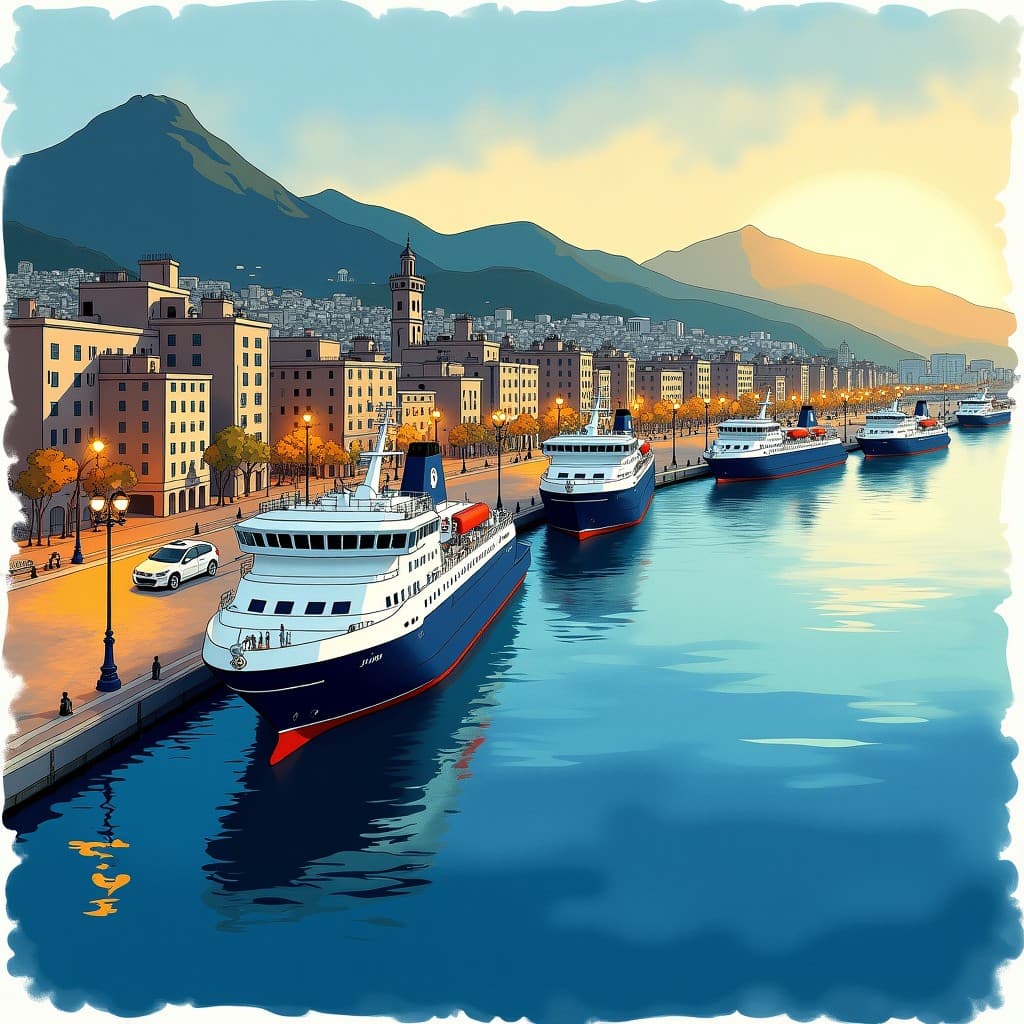
For the Marche region, the suspension's practical effects are felt most directly at the Adriatic ports that serve as Italy's eastern maritime gateway. The Ancona-Split ferry route, a vital link for tourism and freight between Italy and Croatia, is not directly affected by the Spain-focused measure, but the broader tightening of border controls signals a shift in how the EU's Schengen zone operates at its edges.
The crisis began when as many as 50,000 migrants entered Ceuta from Morocco, with at least 57 deaths reported, according to The Guardian. France has also tightened border checks and increased police numbers at its Spanish border, France 24 reported, underscoring the regional ripple effects of the influx.
The suspension of the Schengen arrangement with Spain is a significant step, as the zone normally guarantees passport-free travel across most of the EU. The Local Italy has examined whether an EU member state can be kicked out of the zone altogether, noting that several countries have called for Spain's exclusion after the enclave was overwhelmed.
For the Marche coast, the Adriatic's ferry network has long been a backbone of regional commerce and tourism, connecting Ancona to destinations across the Balkans. While the current suspension targets air and sea travel with Spain, the regional bureau's sources suggest that any prolonged disruption to Schengen could reshape travel patterns across the Mediterranean, potentially affecting the movement of goods and passengers through Adriatic ports.
Italian authorities have not specified a duration for the suspension, leaving travellers and ferry operators on the Adriatic in a state of uncertainty. The Guardian's live coverage noted that the measure will impact people travelling by plane or boat between the two countries, a category that includes the ferries that dock at Ancona's busy port.
The situation remains fluid, with EU countries calling for emergency talks to address the migrant influx at the bloc's southern frontier. As the foreign press tracks the fallout, the Marche bureau will continue to monitor how the crisis affects the region's maritime economy and its connections to the wider Mediterranean.