
ECONOMY
CNH's Modena hub speeds farm equipment design with €21m automation push
Advanced simulation and automated warehousing reshape how the global machinery maker develops and delivers parts from its Emilia base.
Giulia Benati342 wordsEdition №19Thursday, 18 June 2026 — Edition № 19
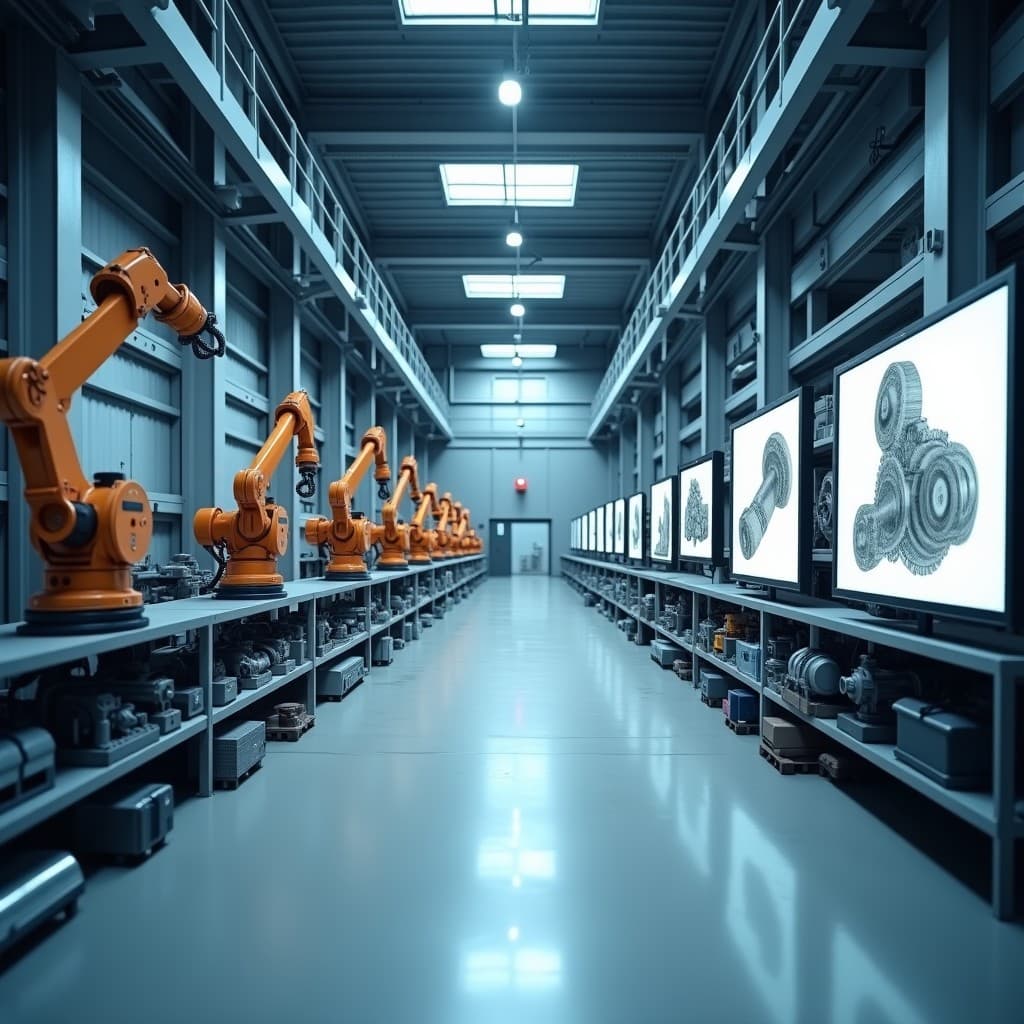
CNH, the global agricultural and construction equipment manufacturer, inaugurated the advanced facilities on June 13 at its San Matteo research and development centre in Modena, according to Global Agriculture. The investment combines a virtual simulation environment—allowing engineers to test equipment designs digitally before physical prototyping—with an automated AutoStore logistics warehouse to streamline parts delivery across the company's global operations.
The move reflects a broader shift in how machinery makers in Motor Valley and across Emilia-Romagna's engineering sector are adopting digital tools to compress design cycles and reduce waste. Virtual simulation allows teams to iterate faster and catch flaws before costly physical builds; automated warehousing cuts the time parts spend in transit to assembly lines. For a region whose reputation rests on precision engineering and just-in-time manufacturing, the dual investment signals CNH's confidence that Modena remains competitive as a global R&D hub despite labour and energy costs across Europe.
CNH, owned by Exor and listed on the New York Stock Exchange, operates multiple facilities across Emilia-Romagna and has long anchored the region's machinery sector alongside Ferrari, Lamborghini and Ducati. The company manufactures Case IH and New Holland branded tractors and harvesters, serving farmers worldwide. Modena's San Matteo site has historically focused on research and component development; the new simulation and logistics systems deepen that specialisation.
The timing matters. European agricultural machinery makers face pressure from rising input costs, labour shortages, and competition from Chinese manufacturers. Digital design tools and automated logistics help offset those headwinds by reducing time-to-market and cutting inventory costs. Global Agriculture did not disclose the specific productivity gains CNH expects, but the company's decision to anchor the investment in Italy rather than relocate it signals that the region's skilled workforce and engineering culture remain valuable assets.
For Emilia-Romagna, the investment also underscores the region's pivot toward Industry 4.0 technologies—the integration of automation, data and AI into manufacturing. The cooperative tradition that shaped the region's post-war economy is now intersecting with digital infrastructure. Smaller suppliers feeding CNH's operations, many of them family firms or cooperatives based in the province of Modena and neighbouring areas, will likely benefit from faster order cycles and more predictable parts demand.