
BASILICATA
Italy's business lobby demands faster renewable rollout as gas costs bite
Confindustria calls for emergency action as energy prices outpace Europe; Basilicata's oil heritage faces pressure from transition demands
Pietro Lasorsa427 wordsEdition №18Wednesday, 17 June 2026 — Edition № 18
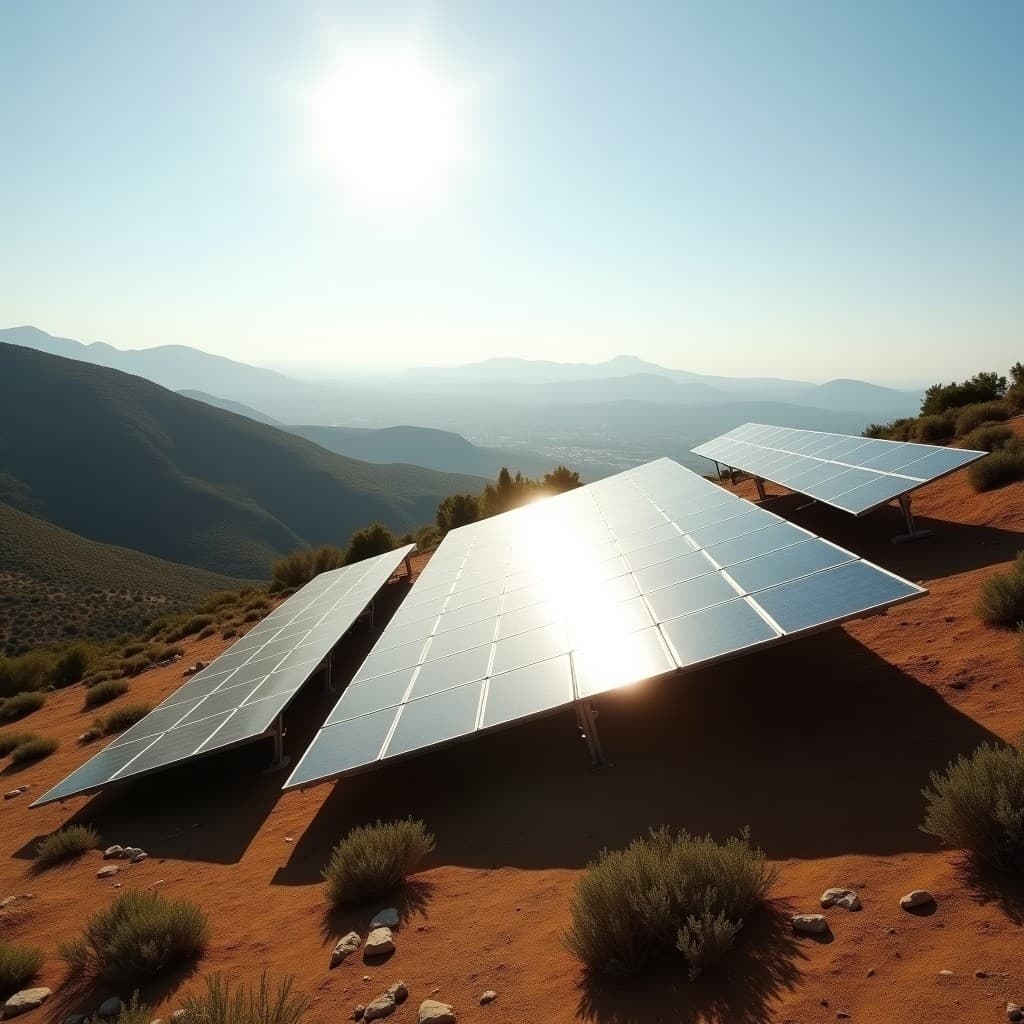
Confindustria, Italy's main industrial lobby, has called for emergency government action to speed renewable energy rollout across the country, according to Marine News Magazine. The appeal comes as Italy grapples with electricity prices significantly higher than those in most of Europe—a gap widened by the recent spike in gas prices triggered by the Iran conflict. The lobby's statement reflects mounting frustration among manufacturers and energy-intensive firms over a transition that, by their account, is moving too slowly to shield them from volatile global markets.
The timing underscores a deepening tension across Southern Italy. While the Mediterranean region has long relied on energy revenues—Basilicata sits atop Italy's largest onshore oil and gas field—the business case for fossil fuels is eroding faster than infrastructure can pivot. Higher power costs already squeeze firms; slower renewable deployment means that gap will widen, not narrow, as Europe's energy transition accelerates. Confindustria's demand for emergency measures signals that incremental policy is no longer seen as sufficient by Italy's industrial core.
The regional stakes are acute. Basilicata's energy sector has historically anchored employment and regional revenue, but a prolonged lag in renewable capacity—whether from permitting delays, grid constraints, or financing gaps—threatens to deepen the region's economic vulnerability. Firms cannot wait for a slow transition; they are already shifting production or sourcing to countries with cheaper, cleaner power. The lobby's call for speed is, in effect, a warning that Italy risks falling further behind competitors while its own costs remain high.
The Guardian and other international outlets have not yet carried detailed reporting on Confindustria's latest statement, but the business federation's position aligns with broader European concerns about energy security and industrial competitiveness. France, Germany and the Benelux countries have all prioritised renewable and nuclear expansion as a hedge against both geopolitical volatility and carbon transition costs. Italy, by contrast, has been slower to build large-scale wind and solar capacity, leaving manufacturers exposed to gas price shocks that their competitors in Northern Europe can better absorb through diversified renewable portfolios.
For Basilicata, the pressure is compounded by demographic and structural realities. The region has already experienced steady emigration of working-age population; energy jobs have been among the few anchors for young workers. A renewable transition, if managed well, could create new employment in solar installation, grid modernisation and energy storage. But if the transition is chaotic—with fossil fuel assets stranded before alternatives are ready—the region could face a second wave of job losses without the infrastructure to absorb displaced workers. Confindustria's call for speed, framed as an industrial necessity, also reflects anxiety about the speed at which entire regional economies may be left behind.