
PUGLIA
Italy's business lobby demands emergency action on renewable energy as power costs surge
Confindustria calls for faster rollout amid Iran war energy shock; Puglia's renewable sector positioned to expand but infrastructure lags
Francesca Lazzari441 wordsEdition №23Monday, 22 June 2026 — Edition № 23
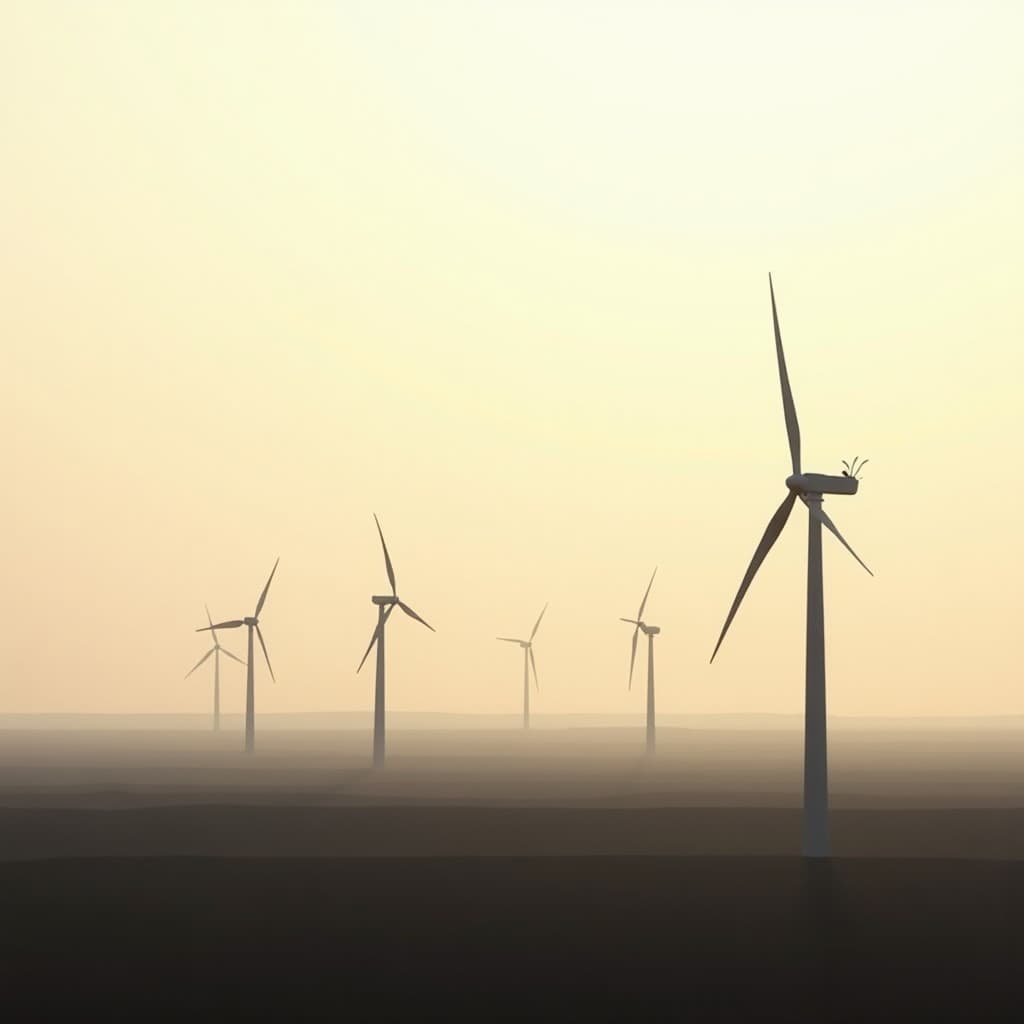
Confindustria, Italy's main business lobby, has called for emergency action from the government to speed up the roll-out of renewable energy across the country, which is grappling with much higher power costs than in most of Europe, according to Marine News Magazine. The recent increase in gas prices triggered by the Iran war has highlighted the cost burden for Italian families and firms of slow renewable development and sparked fresh calls for accelerated deployment of wind, solar and other clean sources.
For Puglia, the appeal carries particular weight. The region sits at the intersection of two energy stories: it hosts significant onshore and offshore wind capacity and abundant solar potential, yet remains dependent on aging fossil-fuel infrastructure and costly imports of gas and electricity from northern Europe. The Taranto steelworks, a major industrial employer but also a chronic source of pollution and environmental dispute, consumes vast quantities of power; cheaper, cleaner energy would ease both the plant's operating costs and the regional political tension between industrial jobs and air quality. Renewable expansion could reshape Puglia's industrial economics, provided grid modernisation and storage capacity keep pace with generation.
The Iran conflict has disrupted global energy markets, pushing European gas prices higher and exposing Italy's vulnerability to external shocks. Unlike Germany or France, which have invested heavily in nuclear capacity or renewable infrastructure over decades, Italy has relied on a mix of hydropower, fossil fuels and imports, leaving households and businesses exposed to commodity volatility. Confindustria's intervention signals that business leaders view the current price shock as a political opportunity to force government action on a long-stalled agenda: permitting reform to speed wind and solar projects, grid investment to handle distributed generation, and battery storage to smooth intermittency.
Puglia's renewable sector has grown steadily—the region now hosts wind farms across the Salento peninsula and coastal areas, and solar installations dot agricultural land—but expansion remains constrained by permitting delays, grid bottlenecks and the competing land claims of agriculture, tourism and conservation. The regional government has promoted renewable development as an economic diversification strategy, particularly for inland areas struggling with emigration and crop stress. Faster rollout could create jobs in installation, maintenance and manufacturing, and lower industrial power costs would improve competitiveness at Taranto and other manufacturing sites. However, accelerated deployment without careful spatial planning risks further strain on agricultural land and coastal ecosystems already under pressure from climate change and tourism. The business lobby's call for emergency action will likely intensify the debate between growth advocates and environmental defenders, a familiar fault line in southern Italy's development politics.