
LOMBARDIA
Dolce & Gabbana designs for the heatwave: Milan menswear turns climate crisis into aesthetic
Spring/Summer 2027 collection pivots to lightweight fabrics and Mediterranean escape as Europe's record heat reshapes fashion calendar
Beatrice Comolli447 wordsEdition №28Saturday, 27 June 2026 — Edition № 28
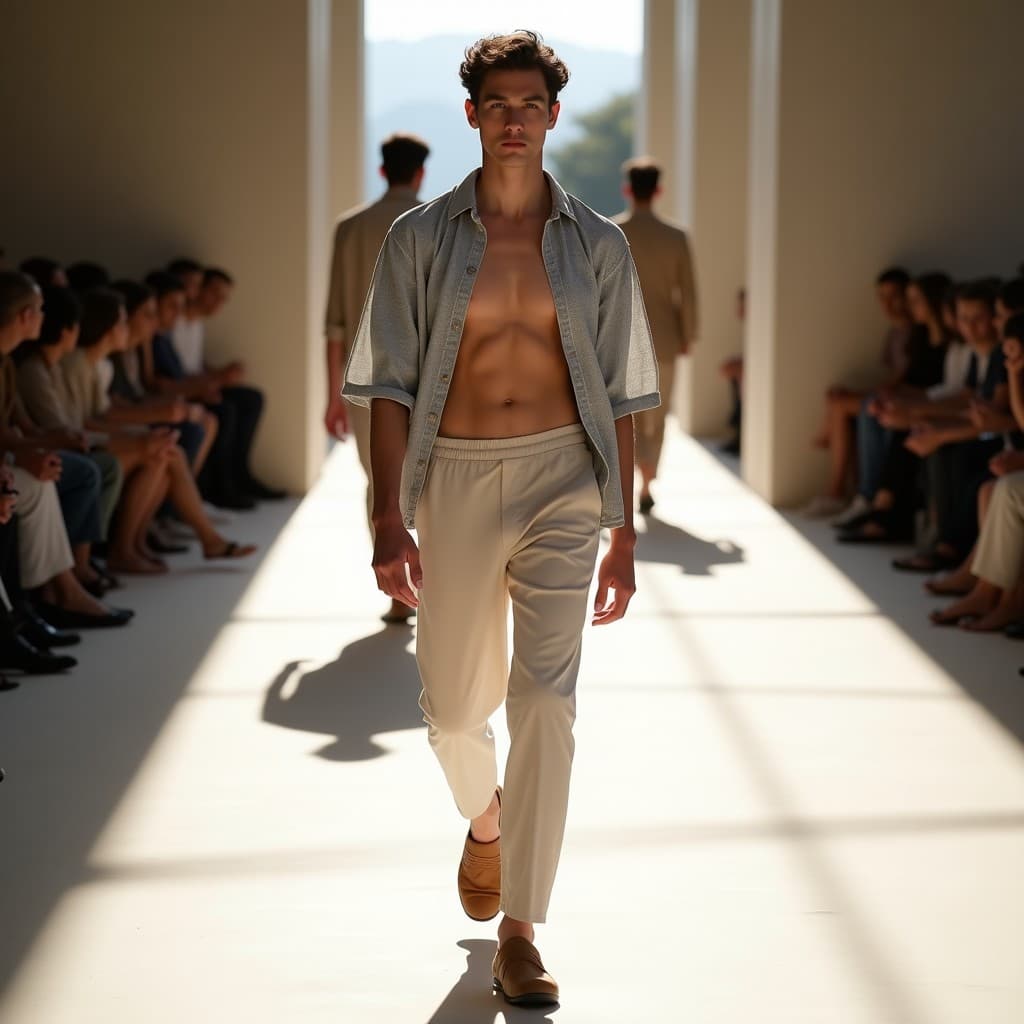
Milan's menswear presentation season has collided with a continent-wide heatwave, and Dolce & Gabbana has responded by making climate adaptation central to its aesthetic. The house unveiled its Spring/Summer 2027 men's collection on 20 June, according to the Associated Press via the Bozeman Daily Chronicle, with designs explicitly calibrated for both the heatwave gripping Milan and a Sicilian beach escape. The collection represents a shift in how the city's fashion houses approach seasonality: rather than treating heat as a constraint to work around, Dolce & Gabbana has made it a design brief.
The move reflects a broader reckoning in Milan fashion. The BBC and The Guardian reported this week that France, Spain and Italy have been hardest hit by the current European heatwave, with temperatures hitting record levels across the continent. For a city that hosts two menswear weeks annually and draws international buyers, designers and press, sustained extreme heat poses both a practical challenge—showing collections under duress, managing venue climate control, coordinating international travel during red alert periods—and a creative one. Dolce & Gabbana's choice to lean into heat rather than resist it signals how Milan fashion is beginning to absorb climate reality into its design language.
The collection's focus on lightweight construction and Mediterranean imagery also reflects economic calculation. Milan menswear buyers represent a global market, but southern European and North African markets—where heat is endemic and purchasing power is growing—have become increasingly important to Italian luxury houses. By designing for sustained high temperatures, Dolce & Gabbana is simultaneously addressing the immediate crisis and signalling to retailers and consumers in warmer climates that the house understands their environment and their needs.
Fashion weeks have historically been insulated from climate disruption through air-conditioning, logistics coordination and the sheer scale of the industry's infrastructure. But as Vogue noted in its analysis of this season's Pitti Uomo and Milan Fashion Week Men's, the heatwave has become impossible to ignore: runways and presentations have held a mirror to a changing world, with designers responding to the reality that body ideals, material choices and silhouettes must adapt to environmental stress. For Milan, a city whose fashion calendar is tightly coordinated with Paris, London and New York, the ability to design for heat while maintaining international appeal has become a competitive advantage.
The practical stakes are real. Milan's climate is continental—typically hot and humid in summer—but the current heatwave has pushed temperatures into territory that challenges both the city's infrastructure and the fashion industry's ability to operate normally. Venues require intensive air-conditioning; travel during peak heat creates logistical friction; and the physical toll on attendees, models and staff becomes a production risk. Dolce & Gabbana's response—to make heat-responsiveness a design philosophy rather than a problem to solve—is also a way of controlling the narrative: the house frames climate adaptation as creative innovation rather than industrial constraint.
For Lombardy's fashion and luxury sector, which accounts for a significant share of the region's export economy, climate-responsive design may become a permanent feature of the calendar. If European heatwaves continue to coincide with fashion weeks, houses that can design for heat while maintaining luxury appeal and international relevance will have a structural advantage. Dolce & Gabbana's move also signals to the broader Milan fashion ecosystem—suppliers, manufacturers, logistics providers—that heat-resistant fabrics, lightweight construction techniques and Mediterranean aesthetics are no longer seasonal preferences but core business requirements.