
LOMBARDIA
Dolce & Gabbana weighs Milan property sales to free up cash
Luxury house considers sale-leaseback of city-centre holdings as financial pressure mounts
Beatrice Comolli410 wordsEdition №23Monday, 22 June 2026 — Edition № 23
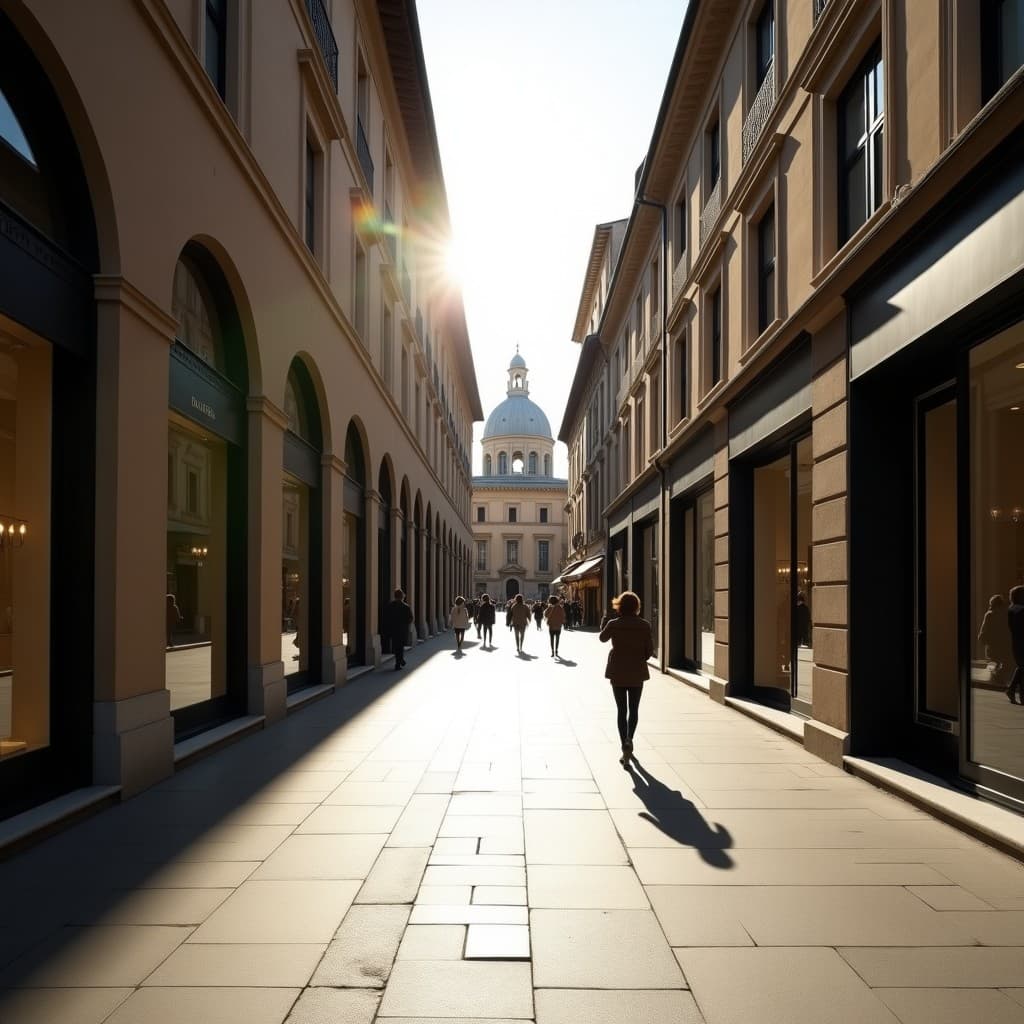
Dolce & Gabbana is considering selling some of its Milan properties, including assets in the city centre, and then leasing them back to free up cash, according to the Business of Fashion. The move signals mounting financial pressure on one of Italy's most recognisable luxury houses, a company that has long anchored Milan's fashion economy and shaped the city's global brand.
The sale-leaseback structure would allow the Italian house to convert real estate holdings into immediate capital without surrendering operational control of its premises. Milan's property market, particularly in fashion-adjacent districts, has grown increasingly valuable as the city's status as a global design and finance hub has deepened. The strategy reflects a broader pattern among European luxury conglomerates facing margin pressures and shifting consumer demand.
The move comes as Dolce & Gabbana stages its menswear show during Milan fashion week. According to the Guardian, the house leaned heavily into theatrical presentation to draw attention away from its debt issues and catwalk controversies, signalling that financial strain has become a material concern for the brand.
Milan's fashion sector has long depended on the wealth and stability of houses like Dolce & Gabbana. The company's property holdings in the city centre represent not only operational assets but also a symbol of the house's entrenchment in the Italian capital. A sale-leaseback would preserve that presence while converting bricks-and-mortar into working capital—a common move when luxury houses face liquidity needs or wish to redeploy capital toward marketing, product development or debt servicing.
The timing matters. European luxury markets have shown signs of fatigue in recent months, with consumer demand uneven across regions and price-sensitive shoppers retreating from discretionary spending. For a house built on the Italian aesthetic and Mediterranean excess that Dolce & Gabbana has spent decades marketing globally, operational flexibility has become as important as heritage.
The property sales would mark a significant moment for Milan's fashion establishment. The city's real estate, long held by the houses themselves as a form of permanence and control, is increasingly becoming a financial instrument. For Dolce & Gabbana, the move acknowledges a hard reality: even brands with deep roots and global reach must adapt to tighter financial conditions.