
TRENTINO-ALTO ADIGE
Cargo Drones Cut Mountain Rescue Times in the Dolomites
Field tests show heavy-lift aircraft reduce medical evacuations by two-thirds, improving patient care in Alpine terrain.
Klara Hofer387 wordsEdition №12Thursday, 11 June 2026 — Edition № 12
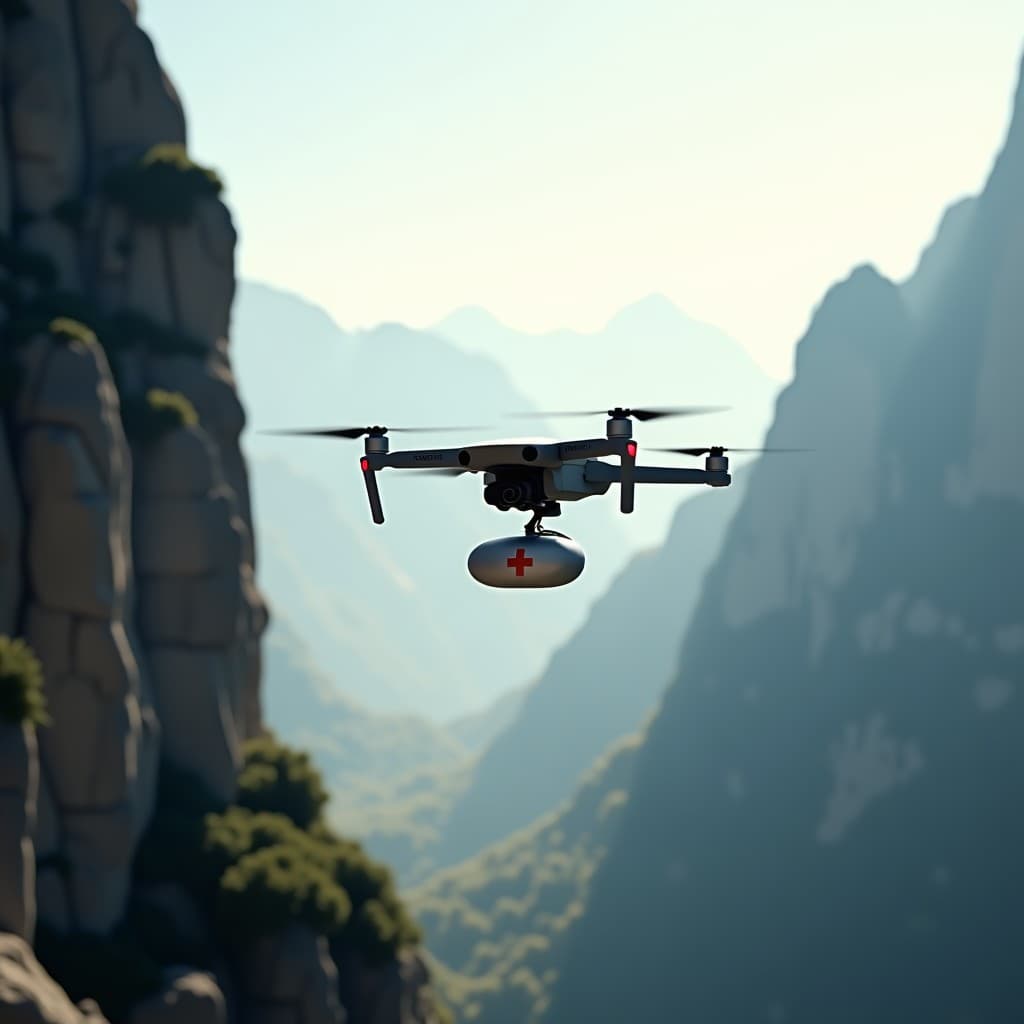
FlyingBasket, a cargo-drone manufacturer, has completed field tests in the Dolomites showing that integrating unmanned heavy-lift aircraft into mountain rescue operations can substantially accelerate patient transport from remote Alpine terrain. According to Unmanned Systems Technology, the drones reduce evacuation times by up to two-thirds compared with conventional helicopter and ground-based methods, while also improving the conditions in which patients are transported down the mountain.
The Trentino-Alto Adige region, where the tests took place, sits at the intersection of steep terrain, sparse road networks, and a large year-round population of climbers, hikers, and tourists. Mountain rescue here relies on a combination of ground teams, helicopters, and the region's network of rifugios—mountain huts that often serve as first-aid posts. The introduction of cargo drones addresses a persistent constraint: helicopter availability is limited by weather, cost, and the need to land in open terrain, while ground evacuation from high altitude can take hours.
The Dolomites present particular challenges for rescue operations. Rescue teams must navigate steep limestone peaks, narrow valleys, and unpredictable weather systems that frequently ground conventional aircraft. The region's autonomy means it funds and manages its own rescue services independently of the Italian state, and efficiency gains in evacuation directly reduce costs to the provincial budget while improving outcomes.
Cargo drones bypass some of these constraints. They require no landing zone beyond a small footprint, can operate in marginal weather conditions, and can be deployed rapidly from valley bases. The FlyingBasket tests, according to Unmanned Systems Technology, focused on heavy-lift capacity—the ability to transport patients in stretchers alongside medical equipment and personnel—and on the smoother, more stable flight paths that reduce patient trauma during transport.
The regional consequence is significant. Trentino-Alto Adige's mountain rescue system, which handles thousands of incidents annually across the Dolomites and surrounding ranges, operates under tight resource constraints. If cargo drones can be integrated into the existing command structure—a question the wire does not yet address—they could reduce the burden on helicopter services, lower per-incident costs, and allow rescue teams to reach patients in terrain currently requiring multi-hour ground evacuations. The tests suggest the technology is viable; deployment would depend on regulatory approval, training protocols, and integration with the region's autonomous rescue administration.