
REGIONAL
Drones cut Dolomite rescue times by two-thirds in mountain trials
FlyingBasket cargo systems tested in high-altitude evacuation show steep gains in patient transport speed and safety
Klara Hofer381 wordsEdition №15Sunday, 14 June 2026 — Edition № 15
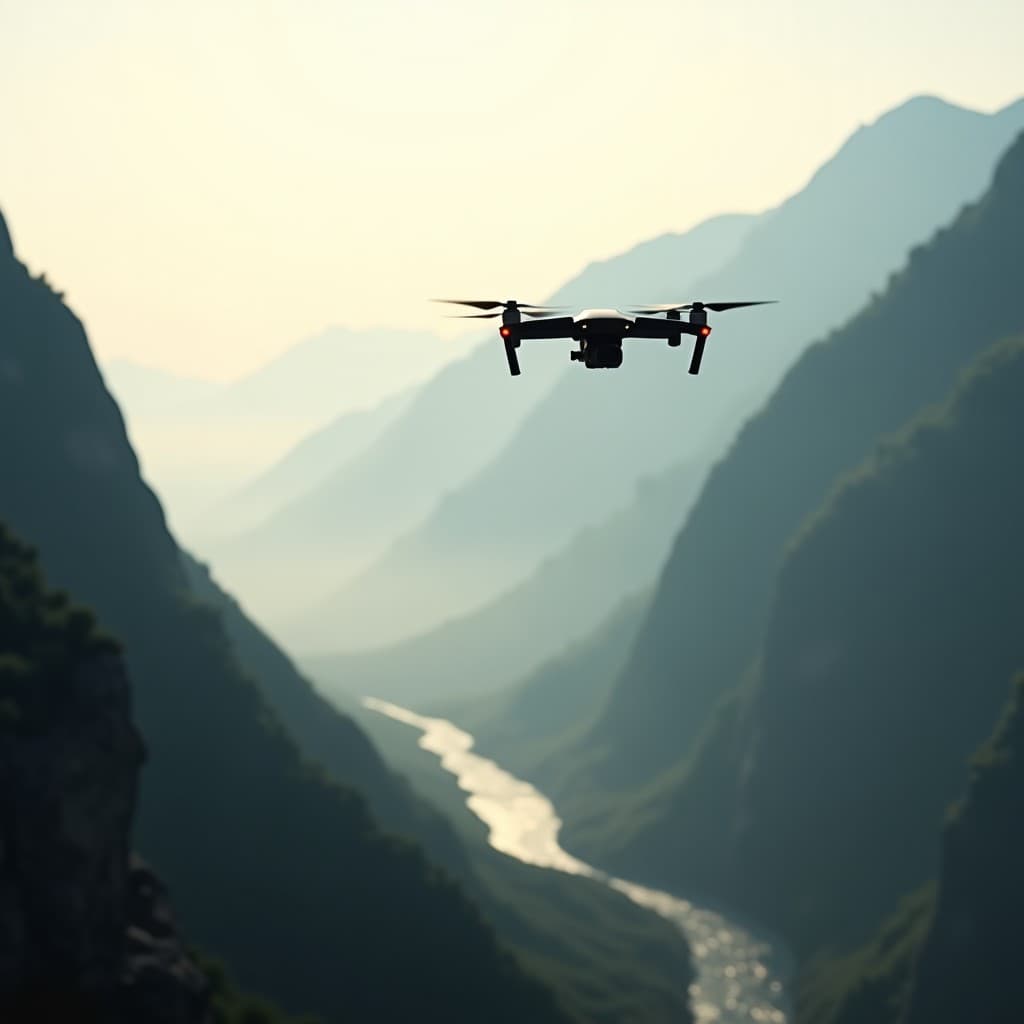
Heavy-lift cargo drones have demonstrated the capacity to cut mountain medical evacuation times by as much as two-thirds in field trials conducted in the Dolomites, according to Unmanned Systems Technology. FlyingBasket, a cargo-drone developer, integrated its systems into rescue operations in the high Alps and found that automation can reduce the time needed to reach injured climbers or hikers to a fraction of what traditional helicopter and ground-based methods require.
The trials tested the drones' ability to transport patients in controlled conditions while navigating the steep, narrow valleys and unpredictable weather that define high-mountain rescue work. The technology also improves patient transport conditions by reducing exposure and physical trauma during evacuation, the outlet reported. For a region where summer tourism across the Dolomites brings tens of thousands of visitors to exposed peaks and via ferrata routes each year, faster evacuation could prove critical to survival outcomes in serious accidents.
Mountain rescue in Trentino-Alto Adige has historically relied on helicopter teams based in Bolzano and Trento, which face constraints in poor visibility, high winds, and the need to land in safe zones often distant from accident sites. Ground-based rescue teams, while skilled and numerous, must navigate steep terrain on foot. Unmanned Systems Technology reported that FlyingBasket's cargo drones can bypass both bottlenecks by carrying injured persons directly from remote locations to valley hospitals or landing zones without waiting for weather windows or ground access.
The regional autonomy has invested heavily in mountain rescue infrastructure and training, and the Dolomites attract international climbers and hikers who depend on rapid response systems. Foreign travel media frequently highlights the region's Alpine tourism appeal; faster, safer evacuation could strengthen that reputation while reducing the operational burden on rescue services already stretched during peak season.
The technology remains in the trial phase, and deployment across the region would require regulatory approval from Italian aviation authorities and integration with existing emergency protocols. No timeline for operational rollout has been announced, but the Dolomites' geography and tourism volume make the region a natural candidate for wider adoption if the trials continue to show promise.