
VALLE D'AOSTA
Sunbathing hikers delay mountain rescue in Dolomites as summer tourism peaks
Alpine rescue services appeal for visitors to clear helipads after emergency response hampered by tourists on high-altitude hiking routes.
Camille Bréan335 wordsEdition №34Friday, 3 July 2026 — Edition № 34
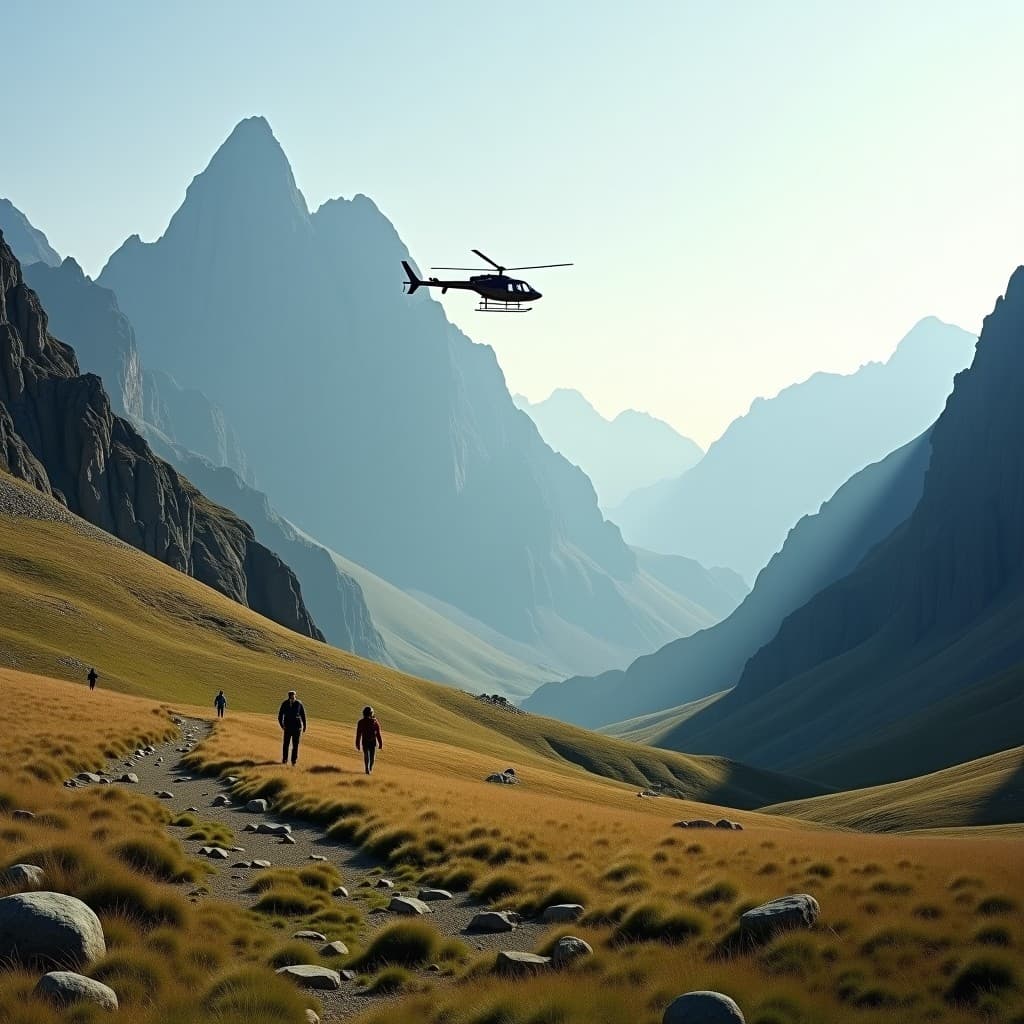
A recent rescue operation in the Dolomites was delayed after sunbathing tourists blocked access to a helipad, prompting the Veneto Alpine Rescue service to issue a formal appeal for hikers to clear mountain landing zones. According to the Local Italy, the incident underscores a growing friction between the volume of summer visitors and the operational demands of high-altitude emergency response.
The Dolomites, a UNESCO World Heritage site in northeastern Italy, draw hundreds of thousands of hikers and climbers during the brief Alpine summer season. As international travel platforms market the region to Nordic and other European audiences, the density of foot traffic on popular routes has intensified. The rescue service's appeal suggests that visitor awareness of helipad locations and emergency protocols remains low, even among hikers undertaking multi-hour mountain routes.
The incident reflects a broader challenge facing Alpine regions across Europe. Mountain rescue operations depend on rapid helicopter deployment, which requires clear landing zones and unobstructed airspace. When tourists occupy these critical spaces, even briefly, response times lengthen—a delay that can be decisive in high-altitude emergencies where exposure, altitude sickness and sudden weather changes create narrow windows for safe intervention.
Valle d'Aosta operates under similar constraints. The region's small population—123,000—means that summer tourism can quickly overwhelm local infrastructure and emergency capacity. While the Dolomites incident occurred outside the Valle d'Aosta jurisdiction, it illustrates a pattern that regional authorities monitor closely. The combination of international marketing efforts that promote Alpine hiking, coupled with limited visitor education about mountain safety and emergency protocols, creates predictable friction points.
The rescue service's public appeal represents a shift in Alpine management strategy: rather than restricting access, authorities are attempting to reshape visitor behavior through communication. The approach assumes that tourists who understand the stakes—that their presence can delay life-saving operations—will voluntarily move away from helipads and clear landing zones. Whether this appeal proves effective during peak season, when thousands of hikers occupy mountain routes simultaneously, remains an open question.