
TRENTINO-ALTO ADIGE
Dolomites rescue crews warn tourists blocking emergency operations
Alpine rescuers face delays as hikers sunbathe near helipads during peak summer season
Klara Hofer387 wordsEdition №34Friday, 3 July 2026 — Edition № 34
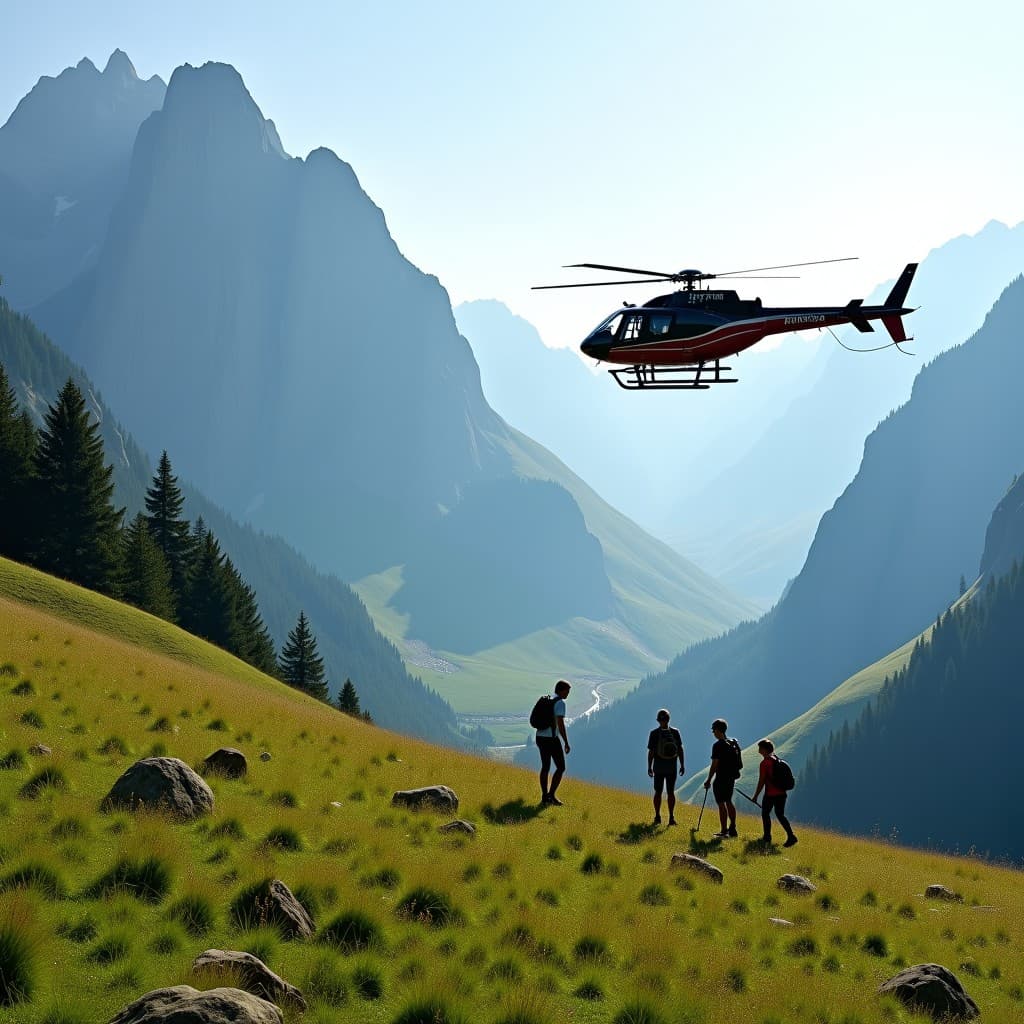
The Veneto Alpine Rescue service issued a public warning this week after holidaymakers obstructed a helicopter evacuation, according to the Local Italy. Sunbathing hikers remained near landing zones despite the presence of rescue aircraft, forcing operational delays at a moment when every second matters in mountain emergencies.
The incident reflects a broader tension between the region's tourism economy and the safety infrastructure that underpins it. The Dolomites draw hundreds of thousands of summer visitors annually, drawn by the dramatic peaks, Alpine huts and marked trails that define the landscape. Yet the volume of foot traffic—concentrated in July and August—has begun to strain the rescue services that operate across the region.
The warning carries particular weight in Trentino-Alto Adige, where mountain tourism generates substantial regional revenue but depends entirely on the perception of safety. Rescue operations in high Alpine terrain are time-sensitive; delays measured in minutes can determine outcomes for injured or stranded climbers. The appeal from Veneto's rescue coordinators signals that the informal culture of peak-season hiking—where trails become social spaces and viewpoints gathering points—now intersects directly with emergency protocols.
Foreign travel media has increasingly noted the Alps' appeal to Nordic and broader European visitors seeking summer alternatives to crowded Mediterranean beaches. Marketing portals like MontagnaEstate.it have promoted the Italian Alps to international audiences as a combination of scenic lifts, mountain villages and lake recreation. That visibility has driven visitor numbers upward precisely during the months when Alpine weather becomes most volatile and rescue demand peaks.
The regional government and rescue services face a coordination challenge: maintaining the tourism infrastructure that funds mountain services while enforcing the spatial discipline that those services require. The Local Italy's report suggests the problem is not yet systemic, but seasonal pressure is mounting. Clear signage at popular trailheads and helipad zones, along with targeted outreach to tour operators, will likely follow.