
UMBRIA
Italy's waterways enter critical drought phase as northern regions declare emergency
Veneto and the Po River Authority warn of severe water stress, with forecasts offering little relief in coming days
Niccolò Mariani408 wordsEdition №35Saturday, 4 July 2026 — Edition № 35
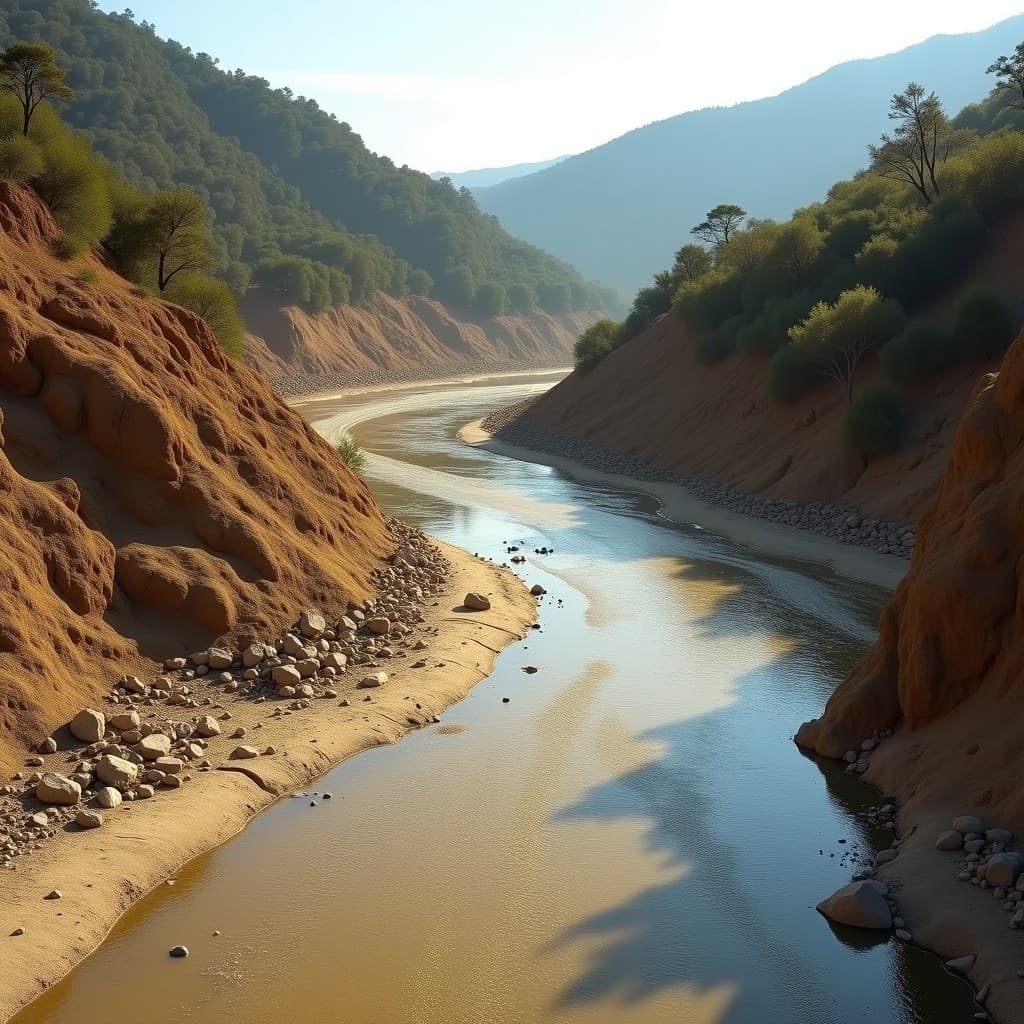
The Po River Authority (ADBPO) reported on Friday that northern Italian waterways are in a 'critical state' from drought, with weather forecasts offering little prospect of relief, according to The Local Italy. Separately, the Veneto region, which encompasses Venice and the northeastern plain, declared a state of emergency on Thursday after recording more than a quarter less rainfall from January to May compared with the same period in 2025.
For Umbria and the central Apennines, the crisis signals a broader water stress that extends beyond the Po basin. The region depends on springs, mountain streams, and groundwater reserves that feed into the Tiber and its tributaries. Umbrian agriculture—from the olive groves of the lower valleys to the wheat fields of the Sibillini foothills—relies on consistent water availability through the growing season. A prolonged drought in the north, combined with the summer heat that has already gripped central Italy, threatens to spread water scarcity inland.
The timing is acute. Italy has experienced an exceptionally hot summer, with a cold front bringing violent storms to parts of northern and central Italy only briefly in early July before high pressure returned. The Local Italy reported that the storms provided temporary relief but did not substantially improve the drought picture. Forecasters warned that conditions would remain dry in the days ahead.
Umbria's relationship to the drought differs from the Po Valley's. The region is not an intensive agricultural producer on the scale of the Veneto or Emilia-Romagna, but its hill towns and smaller settlements depend on reliable water supplies for drinking, irrigation, and the small-scale food production—wine, olive oil, cereals—that sustains the rural economy. The Tiber, which originates in the Apennines and flows southward through Umbria toward Rome, is already stressed by summer demands and climate variability. A prolonged drought could force water restrictions on the inland towns that La Veduta serves.
The emergency declarations by Veneto and warnings from the Po River Authority also reflect a pattern that international climate coverage has increasingly noted: Italy's water infrastructure, designed for a climate regime of the 20th century, is being tested by new extremes. The interior regions of central Italy, which have historically relied on seasonal precipitation and groundwater recharge, may find themselves squeezed between the competing demands of agriculture, tourism, and urban consumption if drought becomes a recurring summer condition.