
ABRUZZO
Abruzzo's quake scars inform Italy's readiness gap
As global disasters mount, L'Aquila's 2009 recovery offers hard lessons in disaster preparedness that Italy has yet to fully absorb
Marco Di Sante437 wordsEdition №38Tuesday, 7 July 2026 — Edition № 38
The head of Israel's National Emergency Authority warned this week that his country risks scenes similar to those now unfolding in Venezuela, where two earthquakes in late June have left hundreds displaced and search operations ongoing. The official, Res. Brig. Gen. Itzik Bar, stated that Israel operates at a 'medium-low level of preparedness' for seismic events. The comparison to Venezuela's disaster—a wealthy nation caught unprepared—carries weight across the Mediterranean, where Italy's own earthquake history has left deep institutional scars.
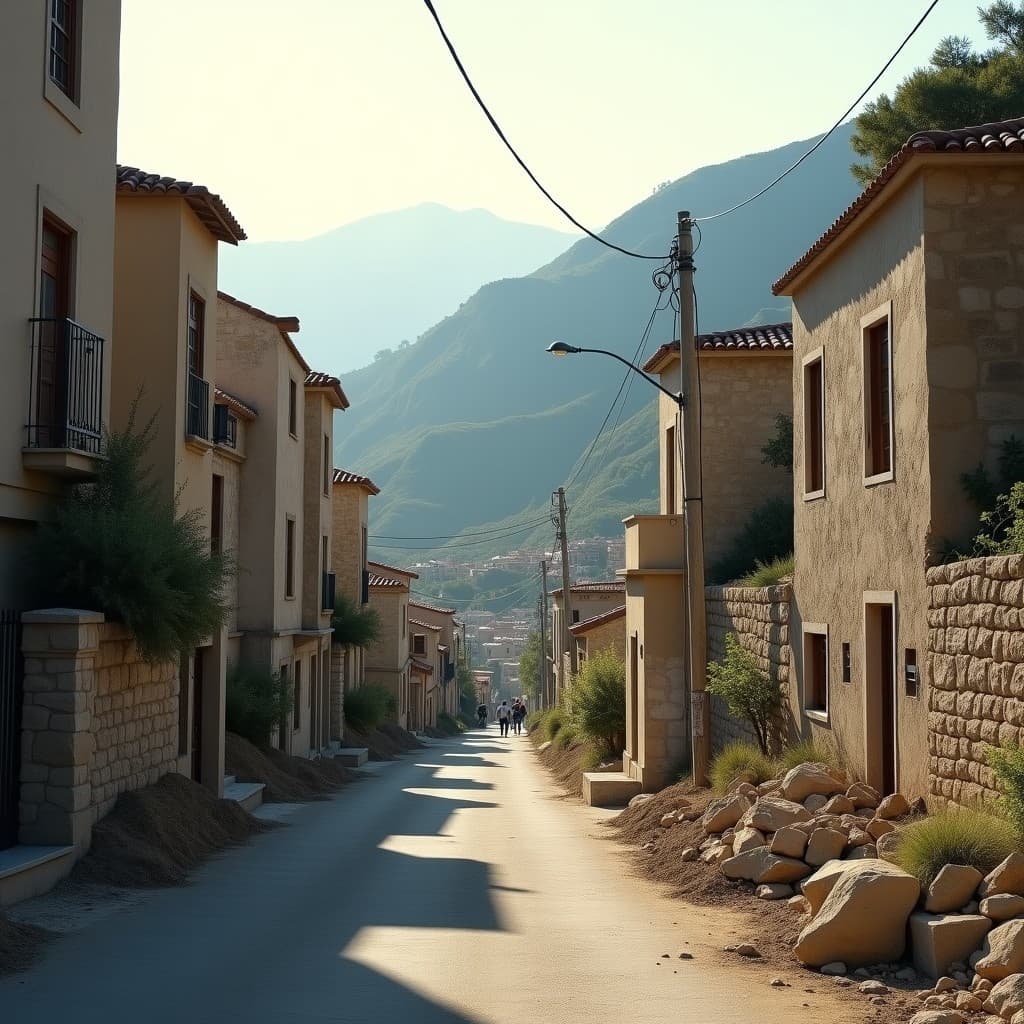
Abruzzo knows this terrain intimately. The 2009 L'Aquila earthquake killed 309 people and displaced tens of thousands, exposing structural weaknesses in Italy's disaster response, building codes and post-quake recovery systems. Seventeen years on, the region remains a living case study in both the fragility of state capacity and the grinding work of reconstruction. According to foreign observers covering Italy's recovery efforts, the L'Aquila experience revealed how inadequate preparedness, weak enforcement of building standards, and delayed institutional response can compound natural disaster into human catastrophe.
Venezuela's current crisis—with families desperately searching for news of loved ones in a tent city that has replaced a tourism hub—mirrors patterns that Abruzzo's mountain communities know from lived experience. The international press has noted the breakdown in communication, the overwhelmed local systems, and the dependence on external aid. These are not abstract risks for a region where the memory of April 6, 2009, remains embedded in public memory and in the half-rebuilt piazzas of the provincial capital.
Italy's national disaster frameworks have evolved since L'Aquila, yet the foreign press coverage of preparedness gaps—whether in Israel or elsewhere—suggests that institutional learning remains incomplete across Europe. Bar's warning that medium preparedness is insufficient underscores a truth that Abruzzo learned at cost: earthquakes do not wait for bureaucratic readiness. The region's ongoing reconstruction, now in its second decade, reflects both progress and persistent vulnerability.
What distinguishes Abruzzo's experience is not the earthquake itself but the recovery that followed—a process that foreign journalists have documented as uneven, politicized, and dependent on the durability of state commitment. The international coverage of post-disaster reconstruction has repeatedly highlighted how quickly political attention fades once the immediate crisis passes, leaving communities to rebuild amid bureaucratic complexity and competing priorities. Abruzzo's mountain towns, many still bearing the marks of 2009, embody that pattern.
The Venezuelan earthquakes, now weeks old, will eventually fade from the news cycle. Abruzzo's will not. The region remains a cautionary reference point for disaster preparedness failures across the Mediterranean, a place where the world's coverage of seismic risk intersects with the lived reality of a community still in recovery. As Israel's emergency chief acknowledges his nation's gaps, Abruzzo stands as evidence that preparedness is not a one-time achievement but a continuous institutional discipline—one that many nations, wealthy and otherwise, have yet to master.