
FRIULI-VENEZIA GIULIA
EU's offshore detention push reshapes Italy's eastern border calculus
As Brussels tightens migration rules, Trieste faces new pressures on routes from the Balkans
Sergio Madrussan448 wordsEdition №22Sunday, 21 June 2026 — Edition № 22
The UN human rights chief on Saturday expressed deep regret at the European Union's new migration rules, which broaden detention authority and permit the establishment of deportation facilities beyond EU borders. The framework, approved this week, marks a significant hardening of the bloc's approach to asylum and irregular entry. For Friuli-Venezia Giulia, which sits at the intersection of the Balkans, Central Europe and the Mediterranean, the shift carries immediate operational weight.
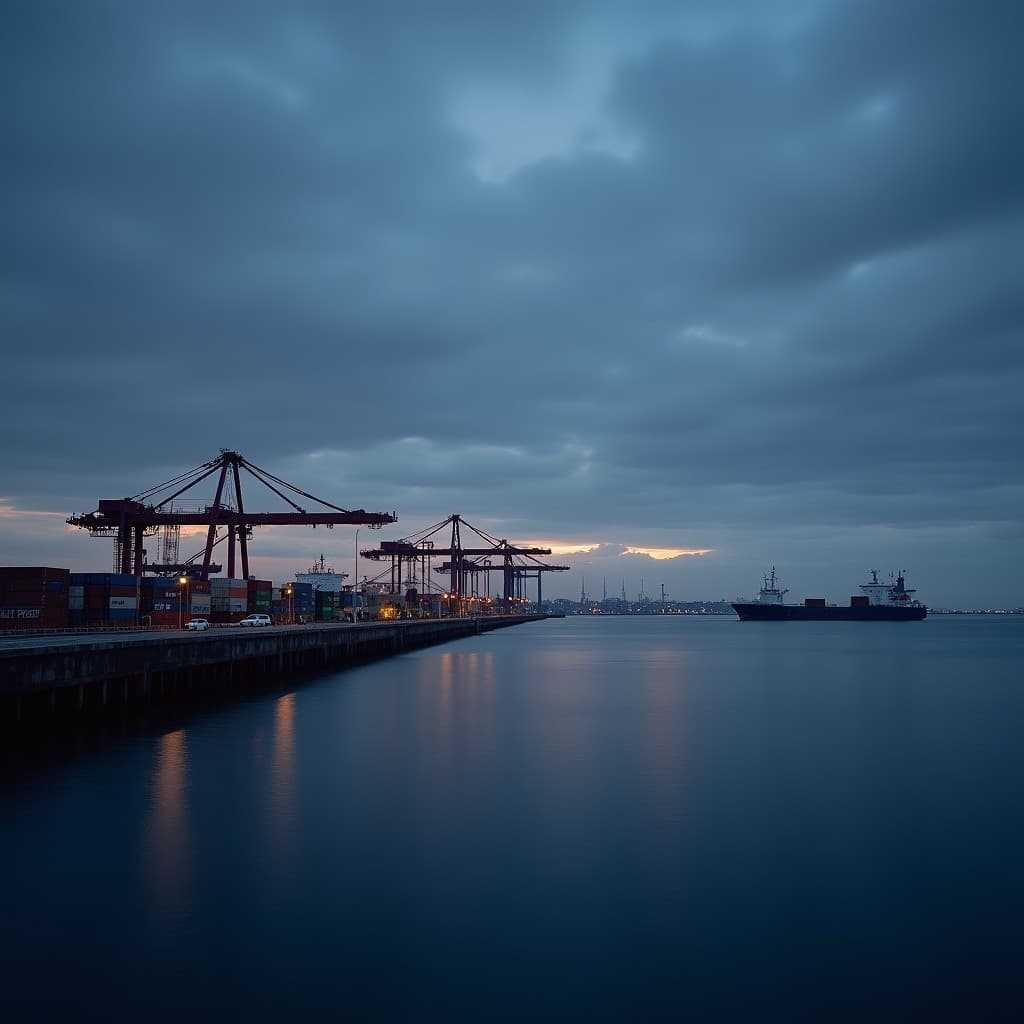
Trieste's port and the region's land borders have long served as Italy's primary gateway for migrants and asylum seekers arriving from the east. The Guardian's reporting on Greece's migration minister embracing criticism from human rights groups as a 'badge of honor' for tougher policies signals how far the EU's political centre has moved. Italy's northeastern region, which has historically absorbed transit flows from Slovenia and the Balkans, now faces pressure to align with this stricter stance while managing its role as a logistics and trade hub.
The new rules allow member states to establish processing and deportation centres in non-EU territory, a mechanism that could redirect flows away from traditional Italian entry points. Reuters and other outlets have reported the framework's expansion of detention powers, but the specifics of how Italy will implement these mechanisms—and whether Trieste's role as a processing point will expand or contract—remain unclear. What is certain is that the region's humanitarian and border-management infrastructure will face fresh strain as the EU's migration policy tightens.
The UN Office of the High Commissioner for Human Rights said Saturday that the new EU framework represented a troubling shift in asylum policy. According to the UN statement cited by multiple outlets, the rules risk normalizing detention as a migration management tool while externalizing responsibility to non-member states. Greece, which borders both the Balkans and Turkey, has already positioned itself as the EU's enforcement model; its migration minister's public embrace of international criticism suggests other member states may follow.
For Friuli-Venezia Giulia, the calculus is complex. The region has absorbed thousands of asylum seekers and irregular migrants over the past decade, many arriving via the so-called Balkan route through Slovenia. Trieste's port authority, its rail connections to Central Europe, and its role in EU-Balkan trade networks mean the region cannot simply externalize its border function. Yet the new EU framework creates incentives to do so. If Italy establishes offshore or extra-territorial processing centres, the burden on northeastern Italy's reception system could ease—but at the cost of further fragmenting European asylum responsibility.
The regional consequence is not yet fully visible in the wire, but the trajectory is clear. Trieste and the region's border towns will become pressure points as the EU's migration policy diverges sharply from the humanitarian frameworks that governed entry for the past decade. Whether Italy negotiates bilateral arrangements with the Balkans and Central Europe, or accepts the EU's broader offshore model, will determine how migration flows reshape the region's economy, infrastructure and political standing in the coming months.