
CAMPANIA
Mount Etna eruption closes Catania airport, strands travellers
Volcanic ash forces flight cancellations across Sicily as second day of disruption tests regional tourism
Rosaria Esposito310 wordsEdition №38Tuesday, 7 July 2026 — Edition № 38
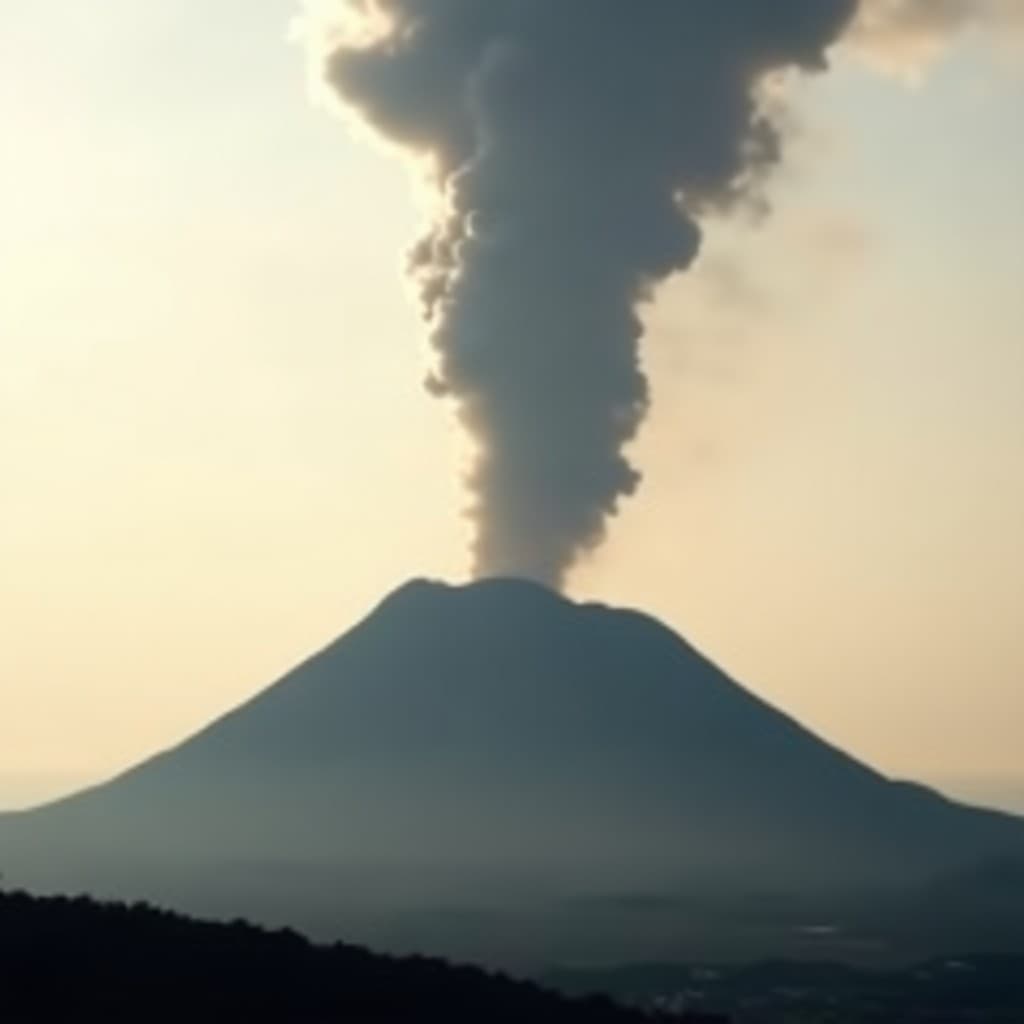
Mount Etna erupted on Monday, sending massive plumes of volcanic ash into the sky above Sicily and forcing Catania Airport to suspend operations until Tuesday. According to the Mirror and Daily Express, ash emissions began from the Voragine crater's upper eastern flank in the early morning, intensifying through mid-morning to generate an eruptive cloud that disrupted air traffic across the region. The closure marked the second day of flight cancellations, stranding passengers and forcing airlines to reroute services.
The eruption underscores the volatile geography that defines southern Italy. Etna, Europe's most active volcano, sits at the intersection of tourism, transport and everyday life in Campania's neighbouring region. For travellers heading to or from Naples and the Campanian coast, the Catania disruption ripples outward: alternative routes add hours to journeys, and international visitors face unexpected delays. The ash cloud itself poses a broader hazard—fine volcanic particles can damage aircraft engines and disrupt air quality across the island.
Catania Airport, one of Sicily's two major hubs, handles millions of passengers annually. A multi-day closure affects not only tourists but also the supply chains and business travel that underpin the Mezzogiorno's fragile economy. The eruption occurred against a backdrop of Italy's already strained transport infrastructure; simultaneous railway works in Florence are dividing train travel between north and south, compounding the logistical strain for passengers trying to move through the peninsula.
Etna's periodic activity is routine for the region, yet each eruption reminds observers that southern Italy sits on unstable geological ground. The volcano's ash and gases have historically disrupted trade routes, agriculture and urban life across the eastern Mediterranean. Today, the disruption is measured in cancelled flights and stranded travellers; centuries ago, it was measured in buried cities. The closure is expected to lift Tuesday, weather permitting, but the episode illustrates how geography constrains the South's integration into the wider European transport network.